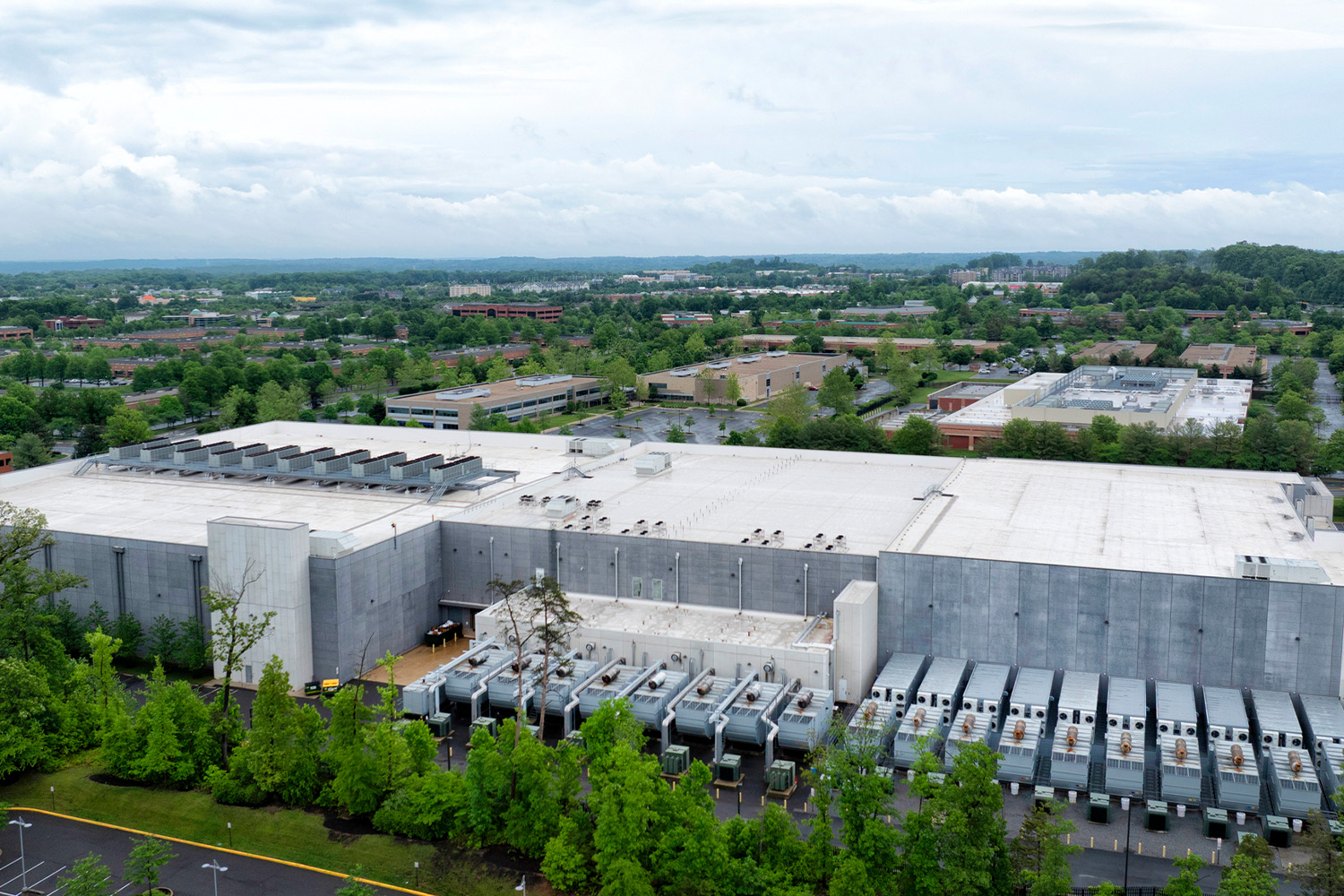
St. Petersburg sits within one of Florida's most economically diverse metros, and its data center market reflects that diversity. Raymond James Financial, headquartered in St. Pete, operates the IT infrastructure supporting a nationwide wealth management and investment banking operation — a financial services computing environment where uptime is measured in fractions of seconds and any system interruption carries regulatory, client, and reputational consequences. Duke Energy Florida, managing the electrical grid for millions of Florida customers, maintains operational technology and IT systems that qualify as critical infrastructure by any definition. Johns Hopkins All Children's Hospital requires healthcare data processing that connects patient care directly to computing reliability. Roofing these facilities is professional work with professional stakes.
The financial services data center environment headlined by Raymond James Financial in St. Pete shares characteristics with the credit card processing centers of Sioux Falls and the trading infrastructure of Wall Street: the building envelope is protecting systems where downtime costs are measured in thousands of dollars per minute at minimum. Raymond James's brokerage and advisory platform serves hundreds of thousands of clients whose portfolio management, trading, and reporting systems depend on continuous IT availability. A moisture infiltration event in the data center environment supporting those systems is not a facilities management inconvenience — it is a potential regulatory and client relations crisis that the company's leadership takes seriously at the highest levels.
Florida's hurricane risk is the defining envelope challenge for St. Petersburg data center operators. Pinellas County and the Tampa Bay area have not experienced a direct major hurricane landfall in several decades, but the statistical certainty of future storm events means that every data center built here must be engineered as though its first major test is approaching. The Florida Building Code's wind resistance requirements for this region are among the most stringent in the country, and for mission-critical facilities we specify roofing assemblies that exceed code minimums by a meaningful margin — providing the safety factor that institutional building owners and their insurers require for facilities at this level of operational importance.
Storm surge and flooding risk in the Tampa Bay area adds another dimension to data center resilience planning that affects roofing design indirectly. While the roof itself is not directly affected by flood events, the decision to house critical IT infrastructure in buildings with flood-resilient designs influences roof loading assumptions (equipment relocated to upper floors), drainage system requirements, and the overall envelope continuity requirements during and after storm events. Data center operators who have thought through their storm resilience strategy in detail typically apply the same rigor to their roofing specifications, and we are equipped to serve clients with this level of sophistication in their requirements.
The intense UV environment of Southwest Florida is a significant roofing material performance factor. St. Petersburg's latitude and year-round sunshine create UV exposure that accelerates the degradation of inadequately stabilized membranes and sealants. Roof membranes that might perform reliably for 20 years in northern climates can exhaust their useful service life in 12 to 15 years under Florida solar conditions if they are not specified with adequate UV resistance. Our Florida specifications prioritize membranes with demonstrated UV stability, and our maintenance program includes reflectance measurement to verify that solar reflectance values — important for both energy performance and cool roof program compliance — are being maintained over time.
Johns Hopkins All Children's Hospital represents the healthcare computing segment of St. Petersburg's data center market — a segment with unique requirements driven by the combination of HIPAA data protection obligations, healthcare uptime standards, and the campus environment of an active hospital. Roofing work on healthcare data center facilities must be executed under the infection control protocols that hospital environments demand, with dust and debris containment, material handling procedures, and access controls that prevent any construction activity from creating contamination risk in clinical or equipment areas below. We have developed specific protocols for healthcare facility roofing that have been reviewed and accepted by hospital facilities management teams.
Duke Energy Florida's operational technology infrastructure — the systems managing grid operations, substation monitoring, and customer management for its Pinellas and Hillsborough County service territory — represents a category of critical infrastructure where roofing failures could have public safety implications beyond the operational concerns of a typical commercial facility. We approach utility infrastructure roofing with the understanding that these buildings are not just commercial properties but essential services, and our specifications and execution standards reflect that understanding.
Energy efficiency incentives in Florida, including Duke Energy's commercial efficiency programs, create financial incentives for cool roofing upgrades that data center operators should factor into their capital planning. High-reflectance roofing systems can qualify for utility rebates that partially offset the cost premium of white or light-colored membranes over dark asphalt systems, while delivering long-term operating cost savings through reduced cooling energy consumption. In St. Petersburg's climate, where cooling systems run for most of the year, these savings accumulate quickly.
Our maintenance program for St. Pete data center facilities is structured around Florida's seasonal storm risk, with pre-season inspections in April and May to verify that the roof is prepared for hurricane season, and post-season inspections in November to assess any damage that occurred during the season. This seasonal structure supplements our standard biannual inspection cycle and our post-storm emergency assessment capability, ensuring that data center operators in St. Petersburg are never approaching hurricane season with deferred maintenance needs in their roofing systems.
Frequently Asked Questions: Data Center Roofing in St. Petersburg
- What wind resistance certification should a St. Petersburg data center roof achieve?
- St. Petersburg falls within a Florida Building Code high-velocity wind zone requiring roofing assemblies designed to resist the wind pressures generated by Category 3 and higher hurricane conditions. We specify FM-approved assemblies with documented uplift resistance at or above the design pressure calculated for the specific building height, roof geometry, and exposure category. For mission-critical facilities, we recommend specifying to the next uplift classification above the calculated minimum to provide a meaningful safety margin.
- How do you coordinate healthcare Data Center Roofing work at Johns Hopkins All Children's Hospital?
- Healthcare campus roofing requires infection control risk assessment coordination, dust and debris containment at all work boundaries, negative pressure isolation where construction activity is adjacent to air-handling zones, and defined material transport routes that avoid clinical areas. We work with the hospital's environment of care committee and facilities management team to develop a site-specific work plan that satisfies ICRA requirements and keeps the construction zone isolated from patient care activities throughout the project.
- What maintenance program structure is appropriate for a Tampa Bay area data center?
- We structure St. Petersburg data center maintenance programs around four inspection events per year: a pre-hurricane season inspection in April/May, a mid-summer inspection, a post-hurricane season inspection in November, and a spring inspection in February/March. Infrared scanning is incorporated on an annual basis, and we provide 24-hour emergency response capability for post-storm assessments when significant weather events affect the area.
- How does the Florida sun affect the long-term performance of roofing membranes on St. Pete data centers?
- Florida's year-round solar intensity degrades UV-susceptible membrane components faster than northern climates. We use this understanding to specify membranes with demonstrated UV stability under Florida conditions and to build reflectance measurement into our maintenance program as an early indicator of membrane aging. When reflectance values decline below the threshold required for cool roof program compliance or energy performance targets, we can advise on restoration coating options that restore reflectance without requiring full membrane replacement.
- What documentation does Raymond James Financial or similar financial services clients require for contractor qualification?
- Financial services organizations typically require contractor background screening, proof of insurance at specified limits, vendor registration in their contractor management system, and in some cases vendor qualification audits that assess safety programs, financial stability, and references from comparable projects. We maintain current registrations and compliance documentation for the major financial services contractor management platforms and can provide all required qualification materials as part of the bid and contract process.
 Manufacturing Operator Roofing
 Logistics and 3PL Roofing
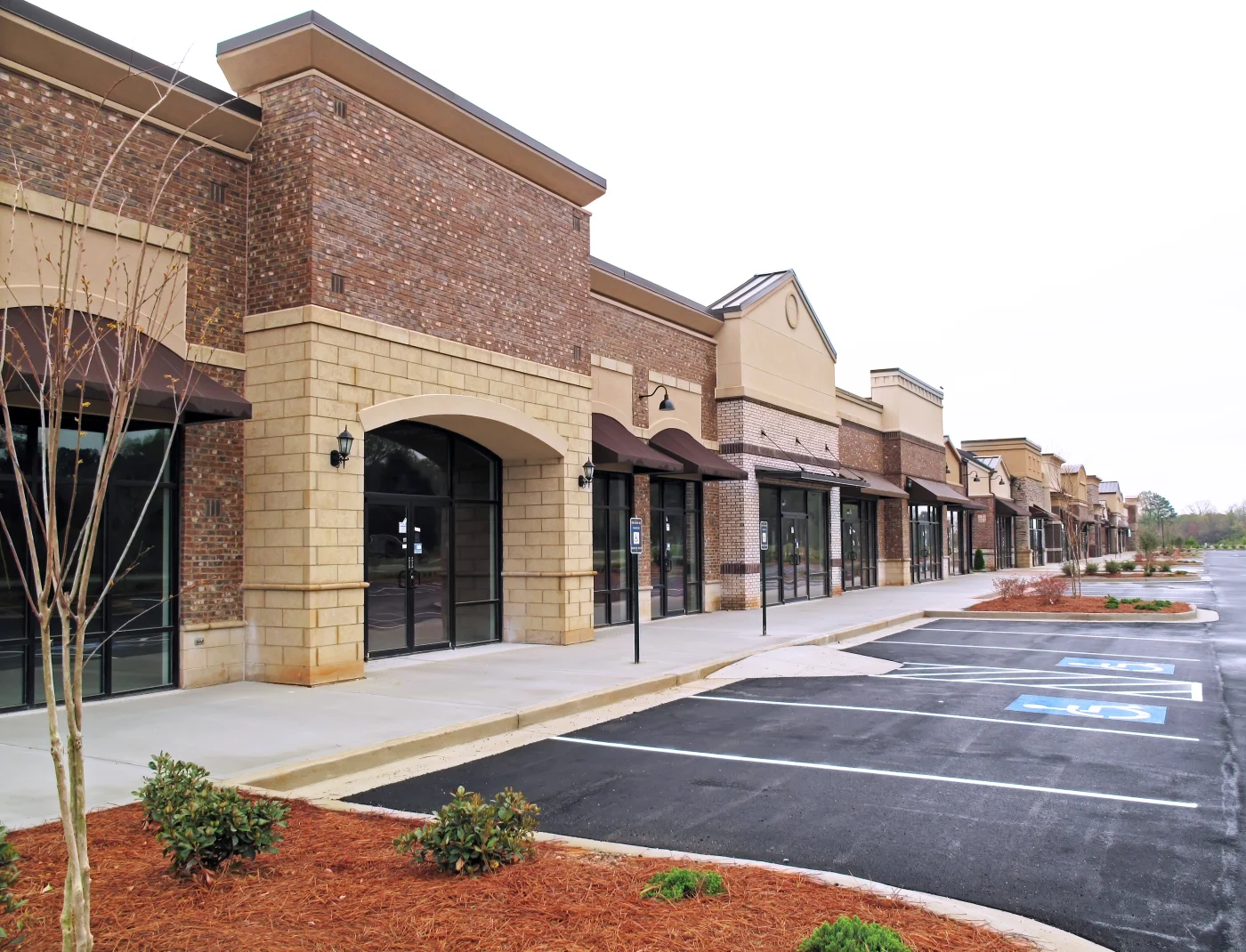 Retail Chain Operator Roofing
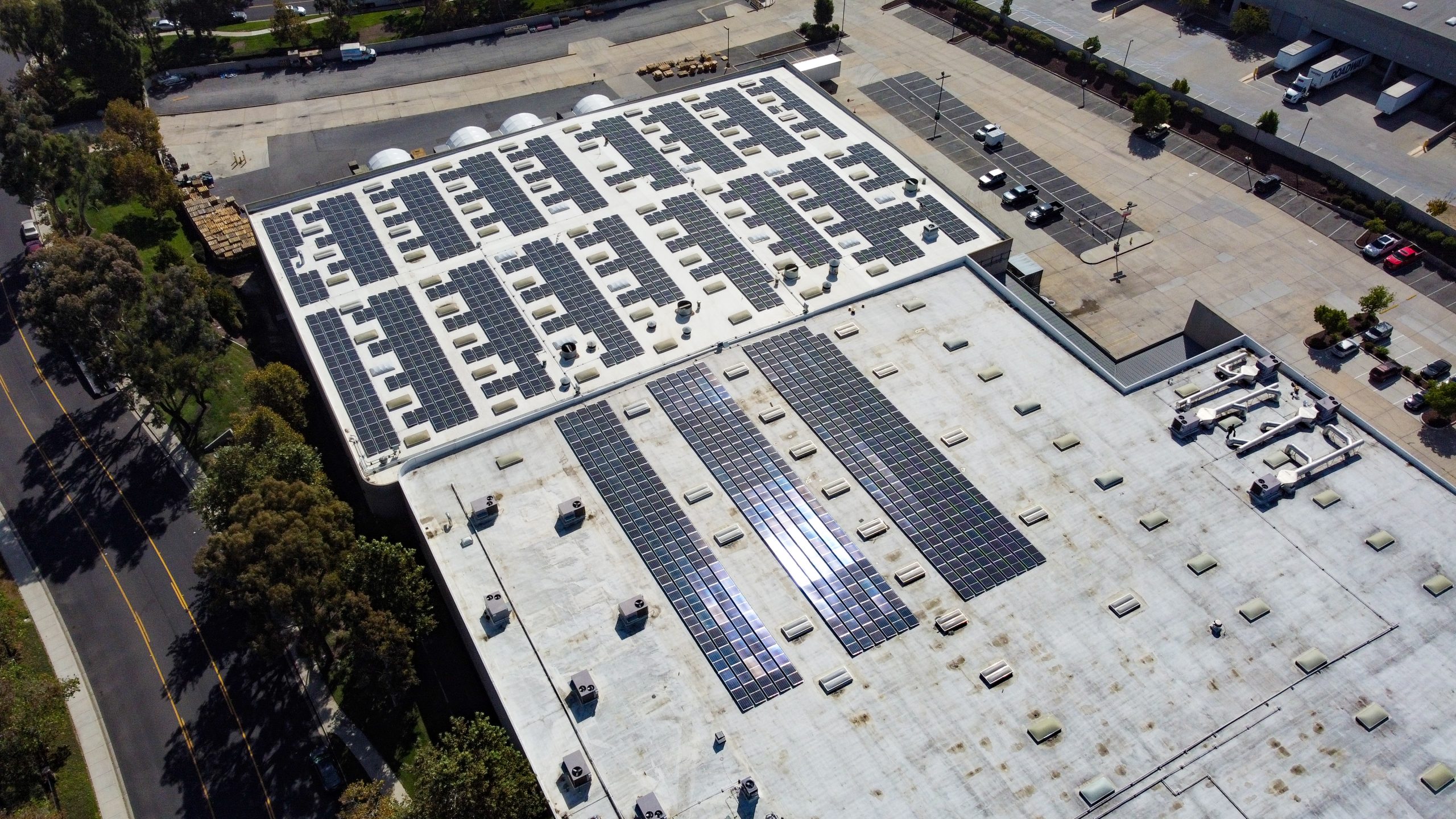 Commercial Real Estate and REIT Roofing
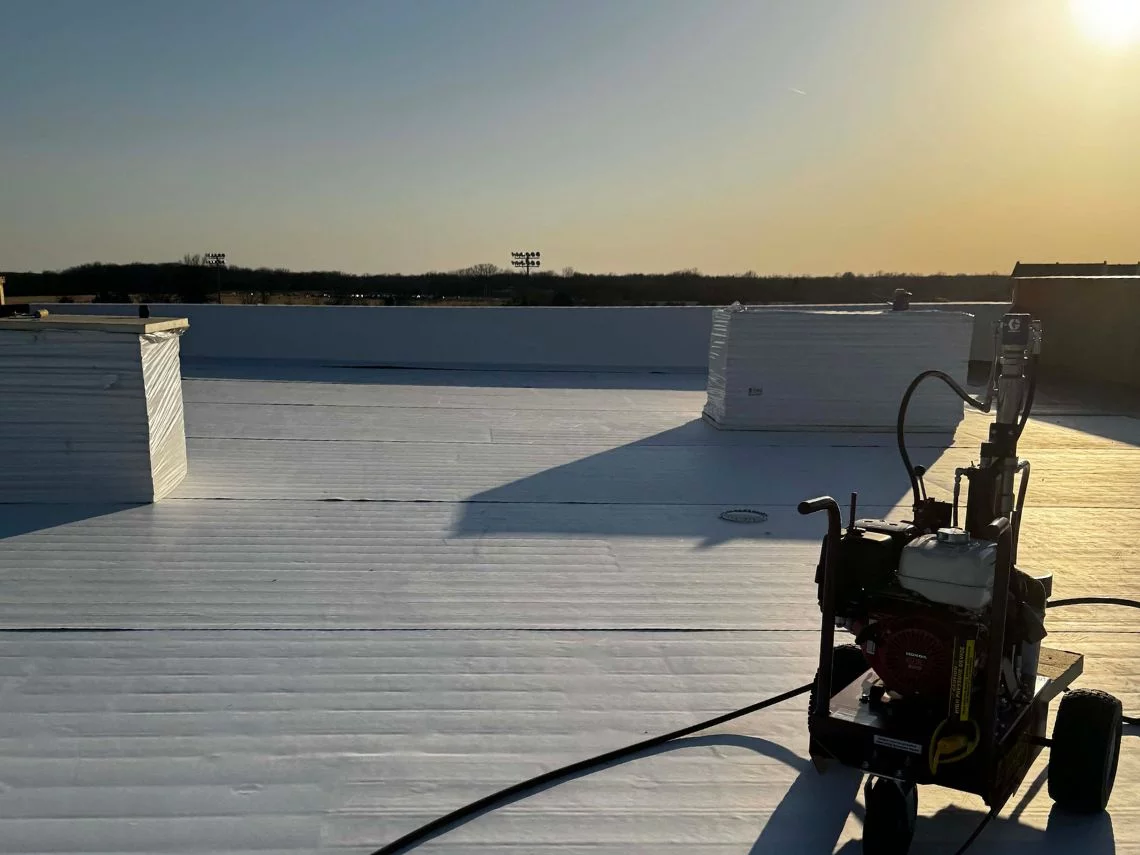 Commercial Roof Repair in St. Petersburg | Planned & Emergency
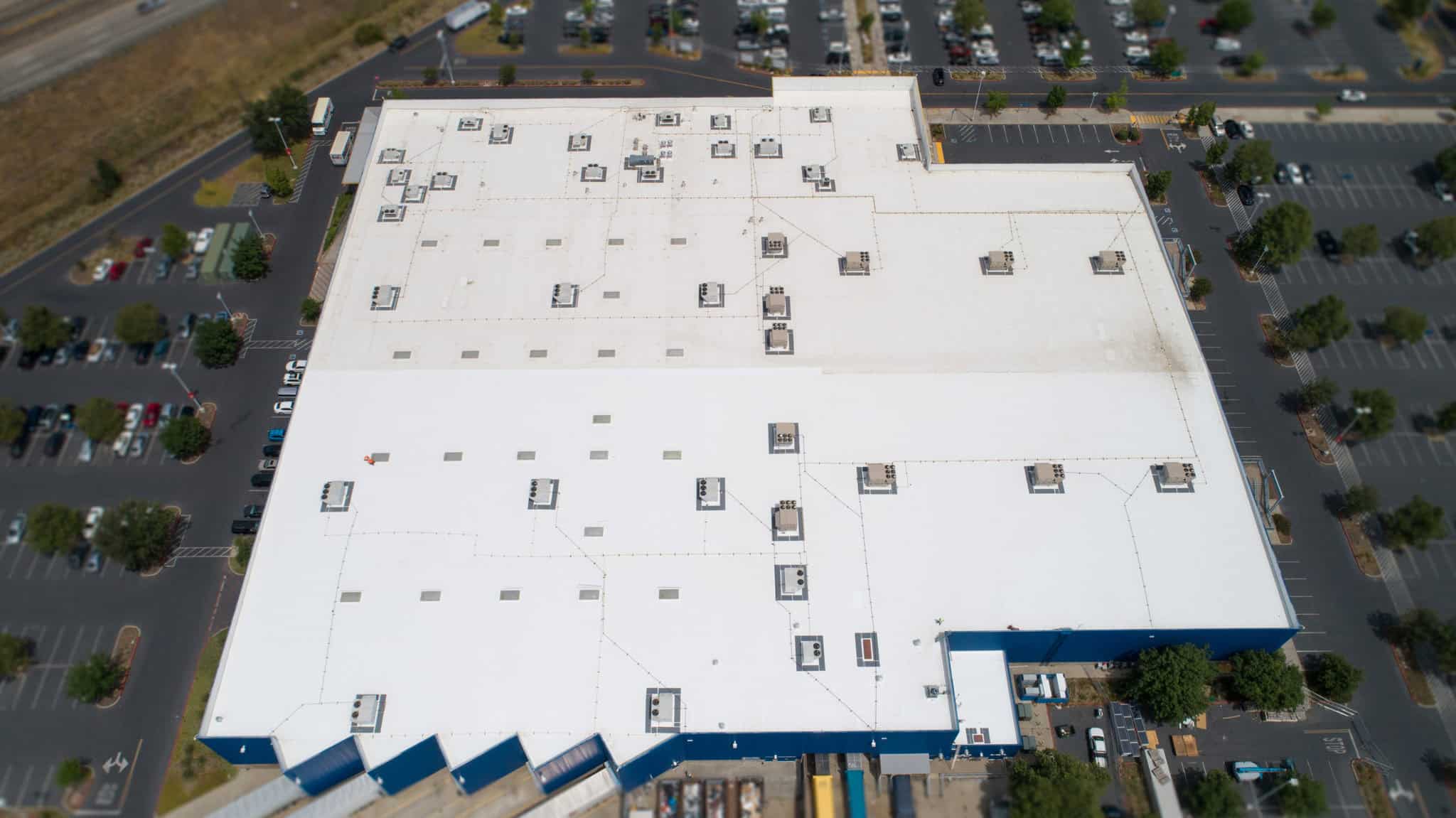 Commercial Re-Roofing