
St. Petersburg has emerged as one of Florida's most dynamic commercial real estate acquisition targets, with its waterfront location, rapidly growing creative and tech office sector, and proximity to Tampa driving significant institutional investment in mixed-use, retail, and industrial product across the Pinellas County peninsula. Preferred Apartment Communities — acquired by BlackRock Real Assets in 2022 — built a significant Florida portfolio that includes St. Petersburg area assets, and industrial REIT players tracking Tampa Bay's distribution infrastructure have expanded into the St. Pete market as well. For roofing contractors, St. Petersburg's combination of coastal hurricane exposure, an aggressive Florida insurance market, and the full spectrum of REIT-owned product types creates a market where institutional roofing program capability is both highly valued and consequential to property performance.
Multi-property preferred vendor programs in St. Petersburg's institutional commercial market are structured entirely around Florida's dual reality: the insurance crisis and the hurricane season. An MSA in this market must address not just routine maintenance pricing but emergency response protocols for the period immediately following a named storm event — including tarping capacity, damage documentation procedures, insurance adjuster coordination support, and debris removal scope. REITs that have managed St. Petersburg properties through direct hurricane impacts understand that the 72 hours immediately following a storm event are where the insurance claim outcome is largely determined, and having a pre-qualified contractor on standby — rather than competing for attention from the same contractor pool as every other property owner in Pinellas County — is worth a substantial premium over per-project sourcing.
Florida's hurricane wind-load code and the specific requirements for Pinellas County's coastal construction zone create a compliance framework that makes roofing decisions in St. Petersburg significantly more complex than in inland markets. Properties along St. Petersburg's waterfront — including the downtown mixed-use corridor along Central Avenue, the bayfront office district, and the expanding Midtown retail and creative office area — are subject to high-velocity hurricane zone requirements that govern membrane attachment patterns, edge metal design, and fastener spacing in ways that exceed statewide minimums. REIT asset managers acquiring St. Petersburg properties must verify Florida Building Code compliance on existing roofing systems as part of the acquisition process, since non-compliant assemblies create both insurance coverage risk and potential liability exposure that transfers with the property at closing.
Net operating income for St. Petersburg commercial properties is under pressure from Florida's property insurance crisis in ways that make roofing condition management a financial optimization function as much as a maintenance function. Florida's commercial property insurance market has seen multiple carriers exit the state since 2021, and remaining carriers have imposed roof-age thresholds — typically 15 years for flat commercial roofs — above which coverage either is unavailable or is available only at premiums that represent material increases to property operating costs. For a St. Petersburg REIT asset manager, a commercial roof approaching the carrier's age threshold is not just a future maintenance cost — it is an insurance premium event that affects current-year NOI and potentially impairs asset value if the insurance cost increase is severe enough to affect cap rate assumptions.
Ten-year capital expenditure planning for St. Petersburg commercial roofing programs must be matched to insurance carrier roof-age thresholds rather than traditional useful-life assumptions. In a normal insurance market, an asset manager might allow a TPO roof to run to 20 to 22 years before scheduling replacement. In Florida's current insurance market, that same roof may need to be replaced at year 15 to avoid a coverage exclusion or a premium surcharge that costs more per year than an amortized replacement loan would. REIT asset managers with St. Petersburg portfolios are effectively managing two CAPEX models simultaneously — the traditional useful-life model and the insurance compliance model — and making replacement decisions based on whichever timeline is more binding for each individual property.
Property condition assessments prior to St. Petersburg commercial acquisitions have taken on heightened importance in the insurance crisis environment because roofing condition affects not just purchase price but post-close insurance eligibility. Before closing on a St. Petersburg mixed-use or retail property, sophisticated buyers commission roofing assessments that specifically address wind-uplift compliance, roof age certification, edge metal condition, and the documentation required by Florida insurance carriers to bind a commercial property policy. In some transactions, the roofing PCA findings directly determine whether the acquisition can proceed at all — a roof that cannot be insured at acceptable cost is a property that may not be a viable acquisition regardless of other merits.
The mixed-use and creative office segment of St. Petersburg's commercial market — concentrated in the Grand Central, Edge District, and downtown arts districts — has specific roofing considerations that differ from standard retail and industrial product. Older commercial buildings in these districts, many of which are undergoing adaptive reuse as office and retail space for tech and creative tenants, often have complex roofing situations involving original flat roof systems from the 1960s and 1970s, partial re-cover additions from multiple subsequent renovation cycles, and the aesthetic constraints imposed by historic district requirements that limit rooftop visibility from street level. Roofing contractors with adaptive reuse project experience, who understand how to work within historic preservation constraints while achieving Florida Building Code compliance and insurance carrier certification, are well positioned to capture this growing segment of St. Petersburg's institutional roofing market.
Investor reporting for St. Petersburg REIT portfolios now includes insurance status and roofing condition as co-equal reporting items alongside traditional financial metrics. LP advisory boards reviewing Florida portfolios want property-by-property insurance coverage confirmation, roof age documentation, compliance status with current Florida Building Code requirements, and forward-looking capital plans that demonstrate the portfolio will remain fully insurable throughout the hold period. Contractors who provide standardized roofing condition certifications in formats compatible with Florida insurance carrier requirements — and who maintain the documentation trail that allows asset managers to confirm compliance at any audit point — are providing institutional value that goes well beyond the physical work product.
St. Petersburg's commercial roofing market for institutional property owners operates at a higher stakes level than almost any non-coastal-Florida market because of the intersection of hurricane exposure, the Florida insurance crisis, and the specific compliance requirements of Pinellas County's coastal construction zone. Contractors who have built genuine expertise in Florida Building Code hurricane requirements, insurance carrier documentation standards, adaptive reuse project constraints, and the emergency response protocols that institutional owners require are the ones building the long-term preferred vendor relationships that define commercial roofing success in this market. The investment in that expertise is substantial, but St. Petersburg's institutional property market rewards it with the most durable and financially significant roofing program relationships available in the Tampa Bay area.
- How do REIT portfolio programs work for commercial roofing in St. Petersburg?
- St. Petersburg REITs use MSAs structured around both routine maintenance and hurricane emergency response, with pre-qualified contractors committed to priority mobilization within hours of a named storm event. These agreements include damage documentation protocols, insurance adjuster coordination support, and agreed emergency tarping capacity that ensures the REIT can protect its insurance claim position in the critical 72-hour window following a hurricane or tropical storm.
- How does roof condition affect NOI on St. Petersburg commercial properties?
- Florida's insurance crisis has made roof age a direct NOI variable: commercial roofs approaching carrier-imposed age thresholds trigger coverage exclusions or premium surcharges that affect current operating costs. REITs managing St. Petersburg portfolios now make replacement decisions based on insurance compliance timelines rather than traditional useful-life assumptions, treating proactive re-roofing as a financial optimization that avoids premium events that could impair asset value.
- What should a 10-year CAPEX model for roofing include for a St. Petersburg REIT portfolio?
- Models must reflect both a traditional useful-life replacement schedule and an insurance compliance schedule, with replacement decisions driven by whichever timeline is binding for each property. Hurricane emergency reserve provisions, Pinellas County coastal zone compliance upgrade costs, edge metal condition management, and insurance certification documentation costs should all be reflected as distinct budget line items in the St. Petersburg roofing CAPEX model.
- What do PCAs identify on St. Petersburg commercial rooftops before acquisitions close?
- St. Petersburg PCAs evaluate wind-uplift compliance for the coastal high-velocity hurricane zone, roof age certification for insurance carrier eligibility, edge metal condition, drain cover code compliance, and documentation sufficiency for binding a Florida commercial property policy. Findings directly affect both purchase price negotiations and post-close insurance binding, since non-compliant or non-certifiable roofing systems may make a property uninsurable at acceptable cost regardless of other asset quality factors.
- Why do St. Petersburg REITs prioritize MSAs that include hurricane emergency provisions?
- Post-hurricane contractor availability in Pinellas County is severely constrained, with demand spiking simultaneously across the entire county following a direct or near-direct storm impact. MSAs with committed emergency response protocols guarantee contractor mobilization when it matters most, protecting the REIT's insurance claim position in the hours immediately following a storm event — when the documentation created (or not created) determines the claim outcome more than the physical damage itself.
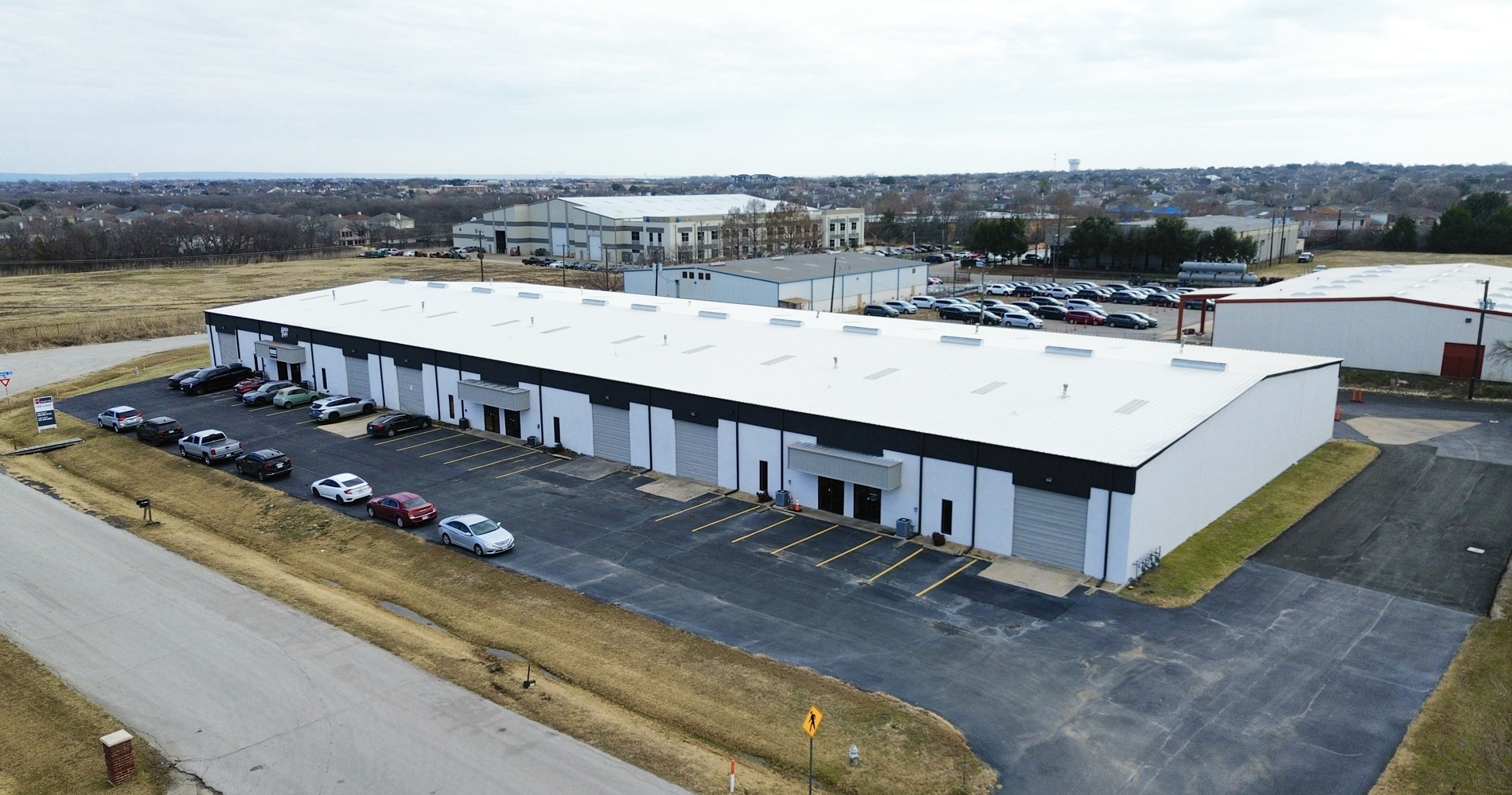 Manufacturing Operator Roofing
 Logistics and 3PL Roofing
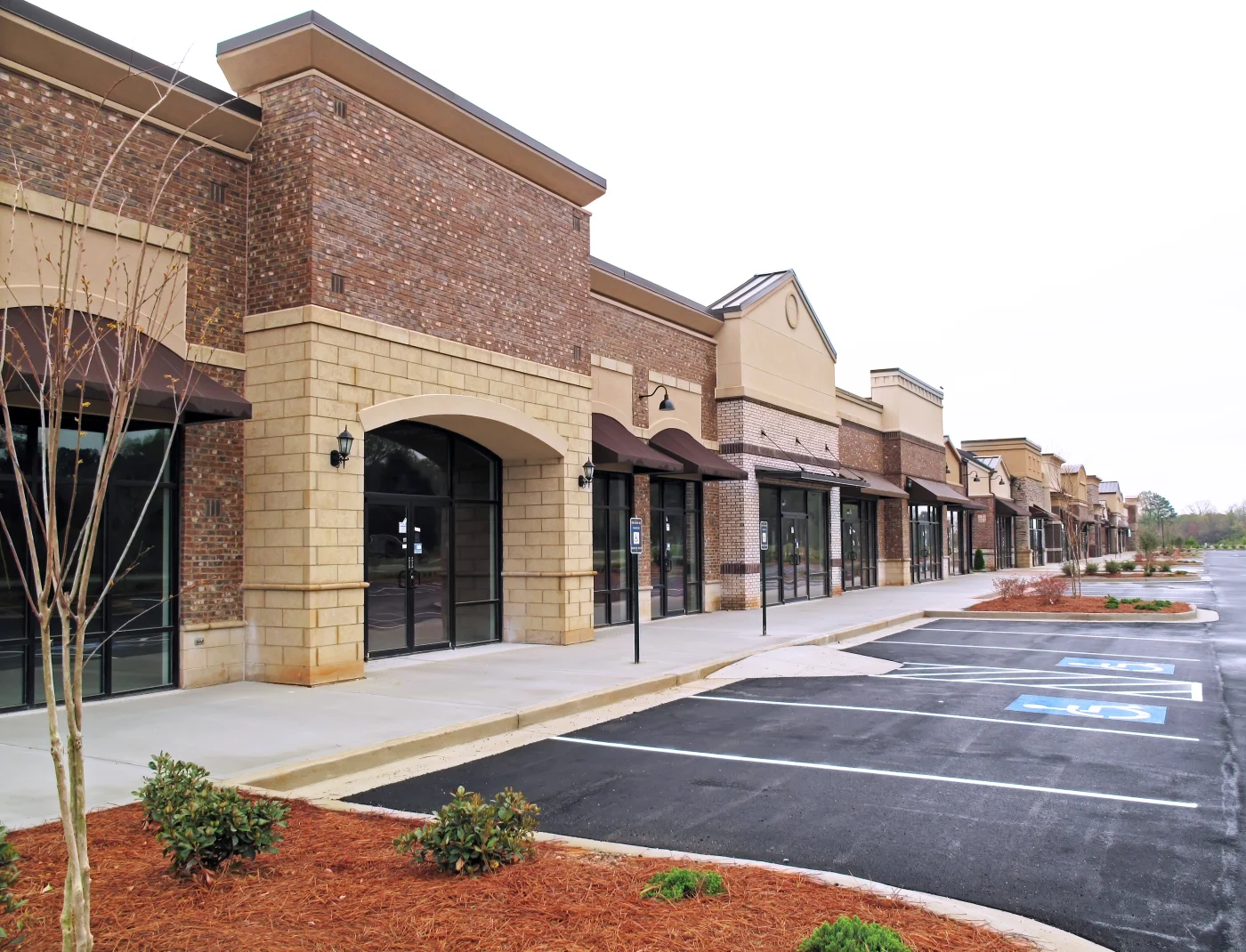 Retail Chain Operator Roofing
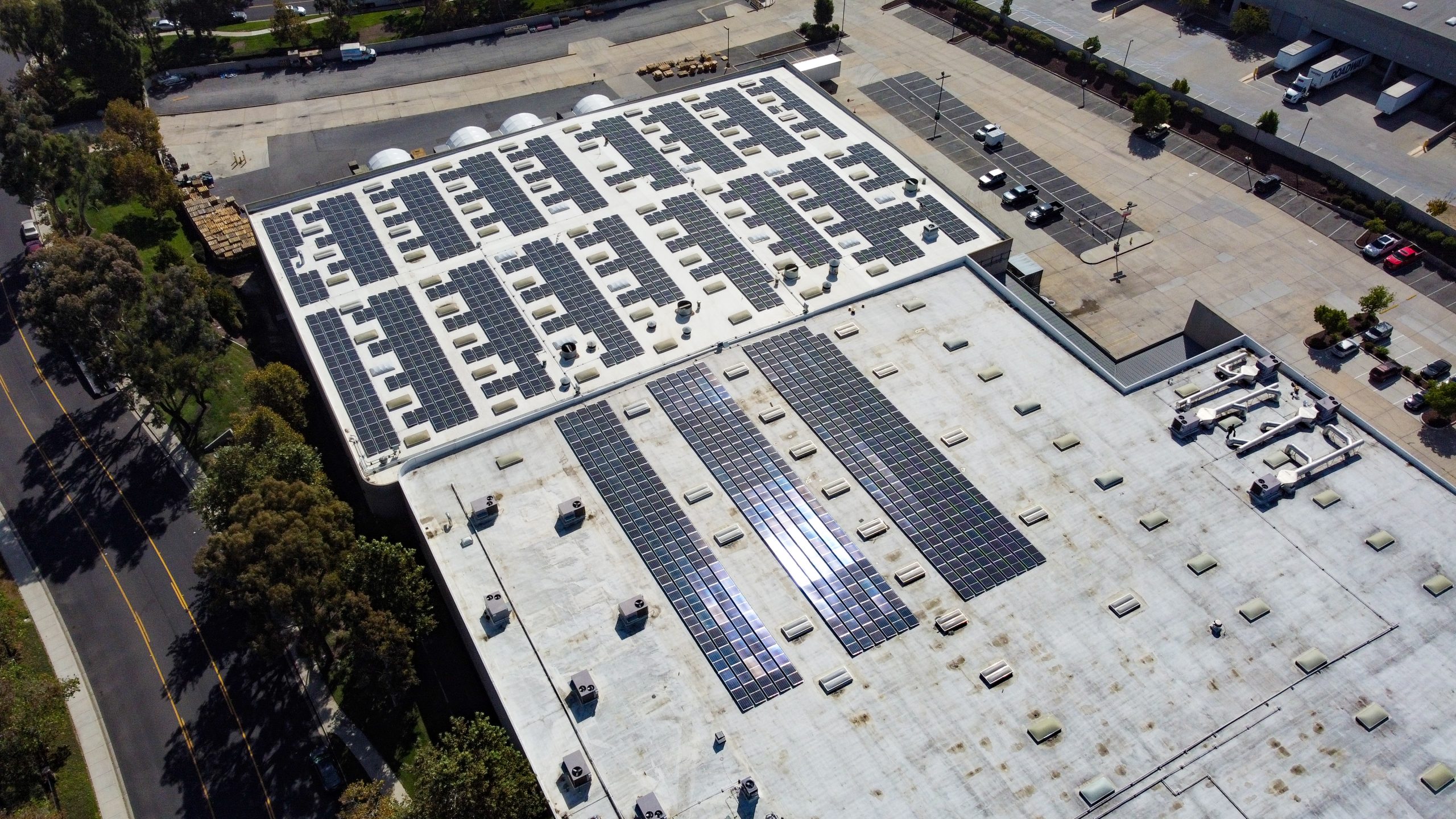 Commercial Real Estate and REIT Roofing
 Commercial Roof Repair in St. Petersburg | Planned & Emergency
 Commercial Re-Roofing