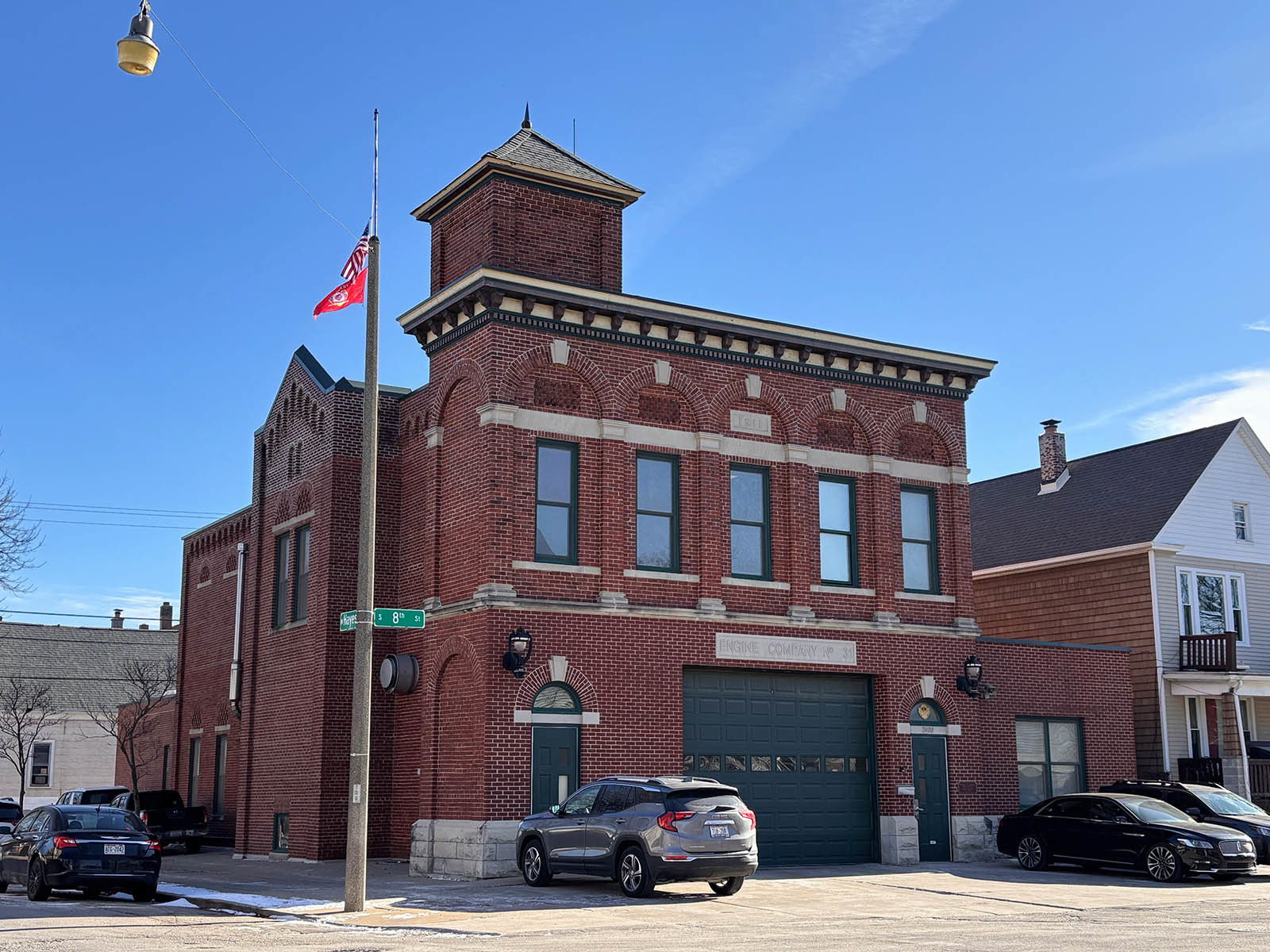
Documentation for Fire Station & Emergency Services Facility Roofing in St Petersburg follows the same public facility framework that applies to all municipally owned buildings — prevailing wage compliance, certified payroll, competitive bid process, and building permit sequence — plus the operational documentation specific to a public safety facility. Emergency response capability documentation during construction is a unique requirement: the fire department's incident command system needs to know that the station's response capability was maintained continuously throughout the construction period. We document operational status maintenance in writing, by day, as part of the project record.
Public bid documentation for Fire Station & Emergency Services Facility Roofing in St Petersburg requires a complete specification package that satisfies the jurisdiction's procurement requirements: project specifications, bid form, general conditions, bonding requirements, insurance requirements, and prevailing wage schedule. The specification documents are the basis for the competitive bid — incomplete specifications create change order opportunities that erode the cost savings of competitive bidding. We prepare specification packages for fire station re-roofing projects that are complete enough to support a clean competitive bid and defend the project against change order claims.
Warranty documentation for a fire station in St Petersburg goes into the fire department's facility maintenance file, the city's asset management system, and in some cases the city attorney's office as evidence of the contractor's performance obligation. NDL warranty coverage on a public safety facility requires the same documentation as any other building: manufacturer certification, field inspection reports, and registered warranty certificate. We provide the warranty documentation package in the format required by the jurisdiction's asset management system — not as a generic commercial closeout package.
How we keep Fire Station & Emergency Services Facility Roofing practical
Before pricing Fire Station & Emergency Services Facility Roofing, we confirm which roof areas are involved, where water is moving, how crews can access the roof, and which assumptions could change the budget after closer inspection. That keeps the recommendation tied to the building instead of a broad square-foot number.
For St Petersburg commercial properties, we also separate immediate stabilization from long-term planning. Temporary dry-in, targeted repair, maintenance, coating, recover, and replacement can all be valid, but they should not be blended into one vague scope.
Fire Station & Emergency Services Facility Roofing properties need roof work that respects the people and operations below the roof. Entrances, parking, loading, patient areas, tenants, guests, inventory, mechanical systems, and security procedures can all affect the work plan before materials are ordered.
Access is reviewed early because it can change the whole project. Downtown buildings, waterfront hospitality properties, medical campuses, retail centers, warehouses, and multifamily buildings each create different rules for staging, crane or lift use, parking, tenant notifications, odor control, safety zones, and after-hours work.
Weather is treated as a project constraint, not background information. Summer rain, wind-driven storms, tropical systems, salt-air exposure, humidity, and fast-changing forecasts affect how much roof can be opened, how materials are stored, and when temporary protection has to be installed before the next work step.
Budget conversations stay more useful when the drivers are named. Wet insulation, deck repair, tapered insulation, drains, scuppers, coping, wall flashing, rooftop equipment, fall protection, material staging, disposal, and occupied-building sequencing can change cost and timing more than the roof label itself.
Field review also has to respect what the roof is connected to. Rooftop units, condensate lines, exhaust fans, grease containment, skylights, solar equipment, tenant penetrations, parapet walls, expansion joints, and older repair patches can all change where water travels and where a permanent repair has to land.
Drainage gets special attention in this market. Scuppers, primary drains, overflow paths, gutters, downspouts, tapered insulation, and ponding areas are reviewed because short, intense rainfall can expose a weak drainage design even when the membrane surface looks intact during dry weather.
Material decisions are checked against the existing assembly. A coating candidate, recover option, single-ply replacement, modified bitumen repair, metal edge correction, or foam restoration all require different assumptions about adhesion, moisture, attachment, slope, roof traffic, and future service access.
Scheduling is part of the technical scope. A roof plan that ignores loading access, tenant entrances, parking, material deliveries, noise, odor, security, and business hours can look acceptable on paper while creating unnecessary disruption once crews arrive. We keep those constraints visible before the work starts.
Communication stays practical during the work. Property managers, facility teams, tenants, and ownership need to know what area is being addressed, when roof access is required, what was found, what is complete, and what remains open for follow-up after the current weather window or repair phase.
The roof record also calls out unknowns, because hidden moisture, concealed deck damage, blocked drains, and undocumented prior repairs can change the correct next step.
Finally, the recommendation is written so the next decision is obvious: stabilize, repair, maintain, restore, recover, replace, or monitor with a defined follow-up window. That keeps ownership from paying for vague roof advice.
The closeout record matters after the work is done. We keep notes, photo locations, access constraints, completed repair areas, and remaining risk items connected to the roof area so owners can use the file for follow-up maintenance, budget planning, tenant communication, procurement review, or the next capital cycle.
Fire Station & Emergency Services Facility Roofing — Documentation Questions
What prevailing wage documentation is required for Fire Station & Emergency Services Facility Roofing in FL?
Public Fire Station & Emergency Services Facility Roofing projects in FL above the prevailing wage threshold require: certified payroll records for every employee on the project (including subcontractors), compliance with the prevailing wage schedule published by FL's labor department for the applicable trade classifications, and a prevailing wage compliance statement submitted with each progress payment. We maintain certified payroll infrastructure and submit compliance documentation on schedule as a standard element of public sector roofing work.
What bonding is required for public Fire Station & Emergency Services Facility Roofing in St Petersburg?
Public facility projects in St Petersburg above the competitive bid threshold typically require a performance bond and a payment bond, each equal to 100% of the contract value. The bonding requirement is set by the jurisdiction's public contract code — verify the applicable threshold with the city's procurement office. We are fully bondable at the project scales required for public safety facility work and provide bond documentation within the timeframe specified in the bid documents.
How do you document operational continuity during construction for the incident command record?
We maintain a daily operational status log confirming that apparatus bay access, crew quarters access, and all communications systems were fully operational for the full operating day. The log is reviewed and initialed by the duty officer at end of each work day and retained in the project file. If any construction condition temporarily affected operational capability — even briefly — the log documents what happened, when it was resolved, and what measures were taken to prevent recurrence. This log may be requested by the fire department's incident command system or by the jurisdiction's facilities auditor.
What warranties apply to a fire station re-roofing project?
A fire station re-roofing project should carry: a manufacturer NDL system warranty for the specified term (typically 20 years), registered to the city or fire district as the property owner; a contractor workmanship warranty of 2 years minimum; and for historic firehouses, a restoration warranty covering the specific repair or replacement materials used. All warranties are documented in the project closeout package submitted to the fire department and the city's asset management office.
How does the public bid process affect the project schedule?
Public competitive bidding in St Petersburg for a fire station re-roofing project typically requires: a pre-bid conference (1-2 weeks after bid advertisement), a 3-4 week bid period for qualified contractors to prepare complete proposals, a bid opening and evaluation period (1-2 weeks), and a contract award and execution period (2-4 weeks). Total time from bid advertisement to construction start is typically 8-12 weeks. We recommend beginning the procurement process at least 3-4 months before the preferred construction start date to allow adequate time for the public bid process.
 Hotel and Hospitality Roofing
 Multi-Tenant Retail Strip Roofing
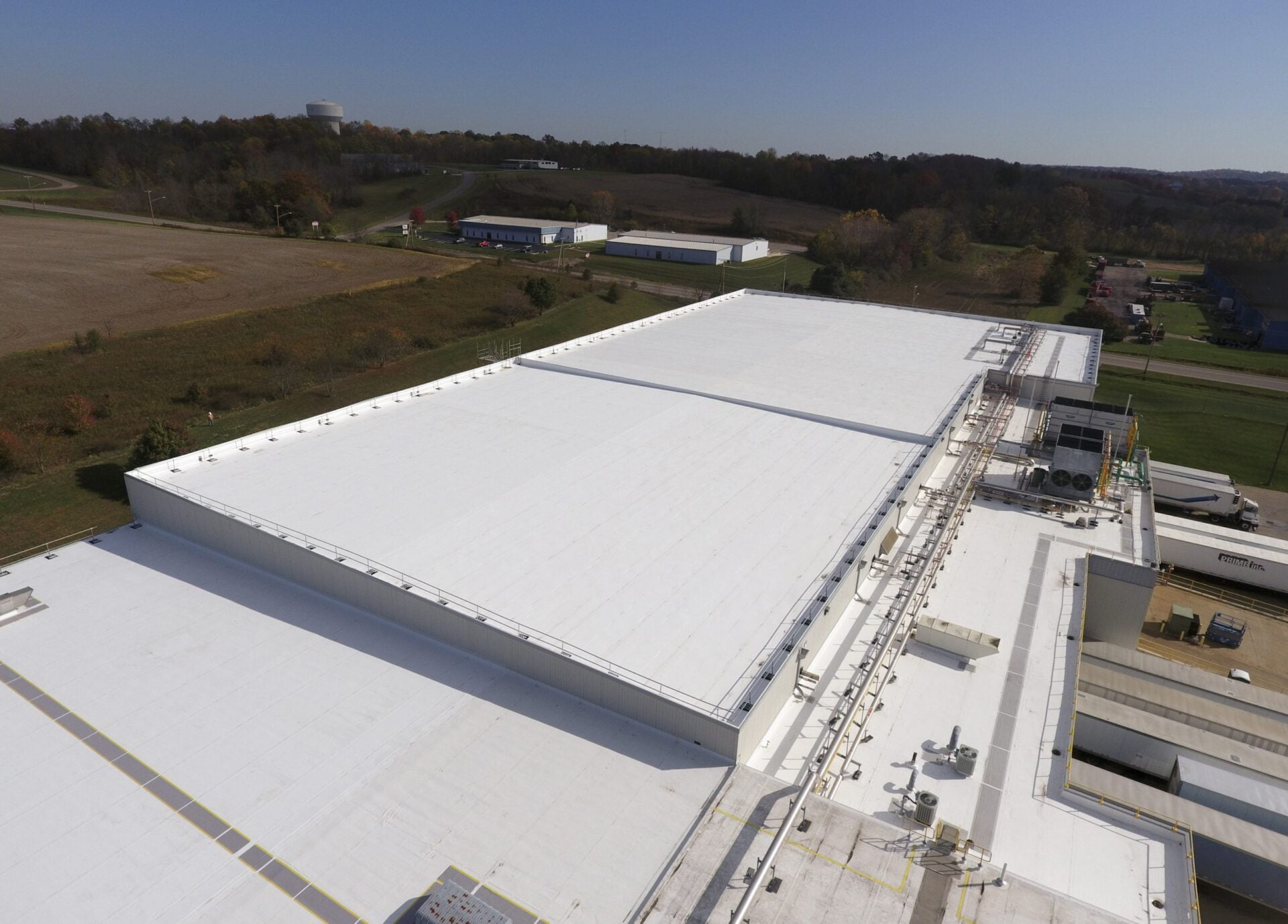 Warehouse Roofing
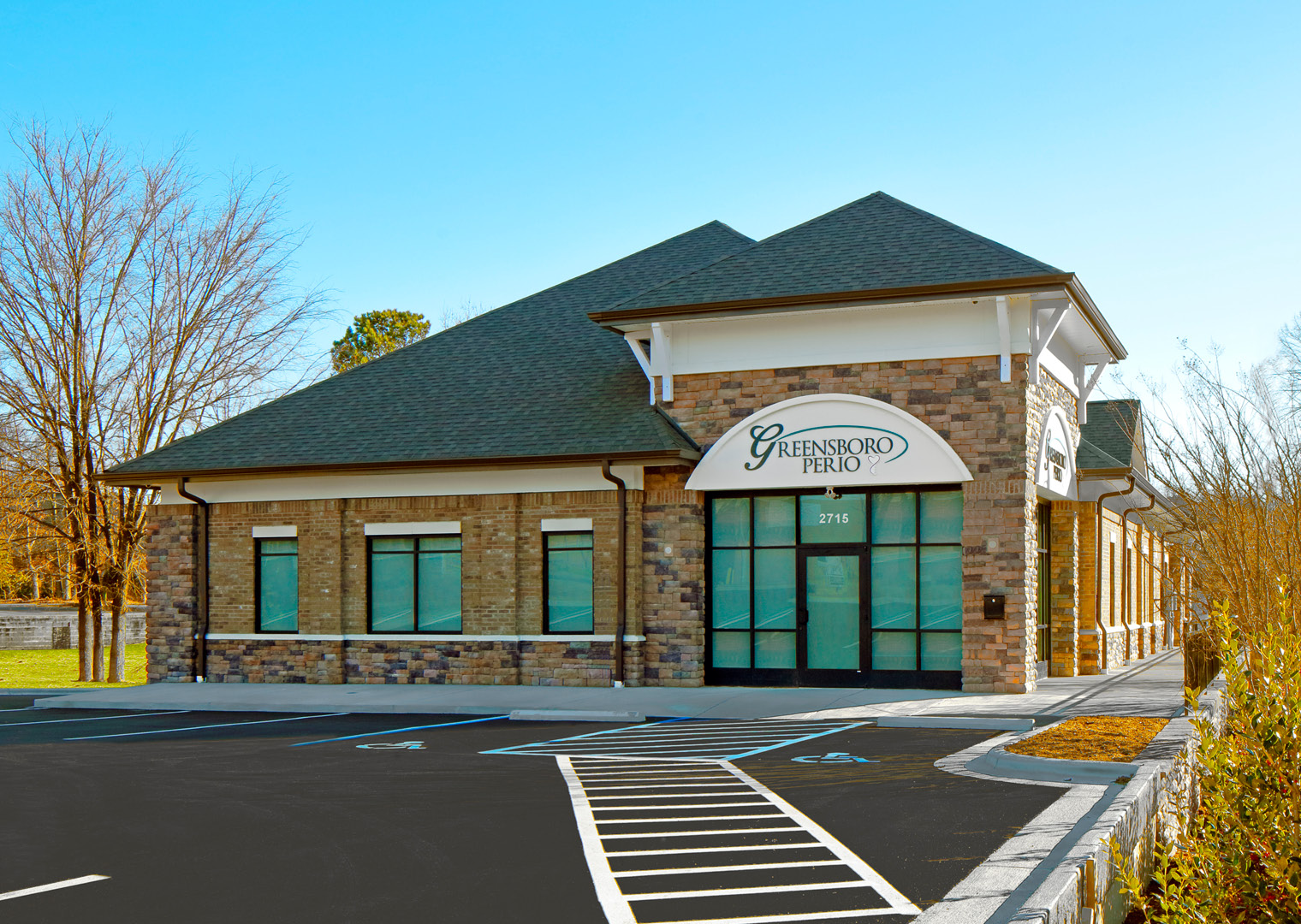 Medical Office Building Roofing
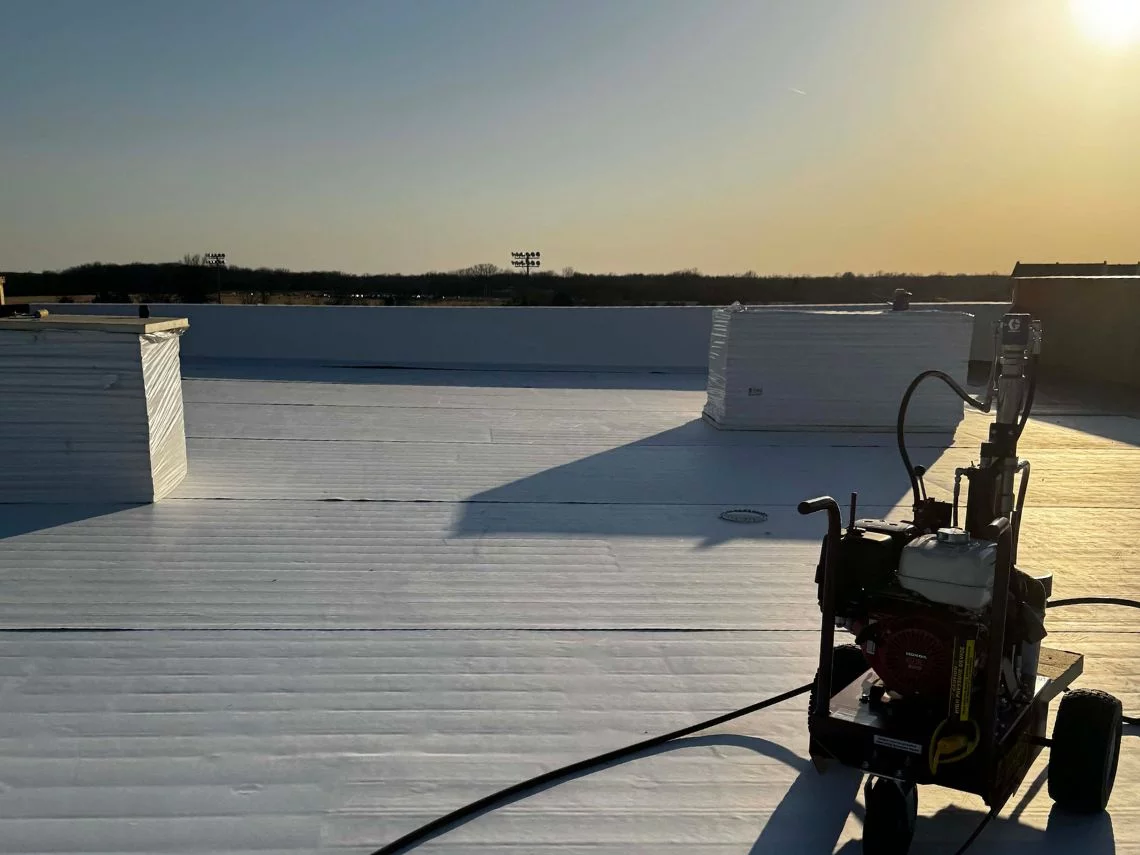 Commercial Roof Repair in St. Petersburg | Planned & Emergency
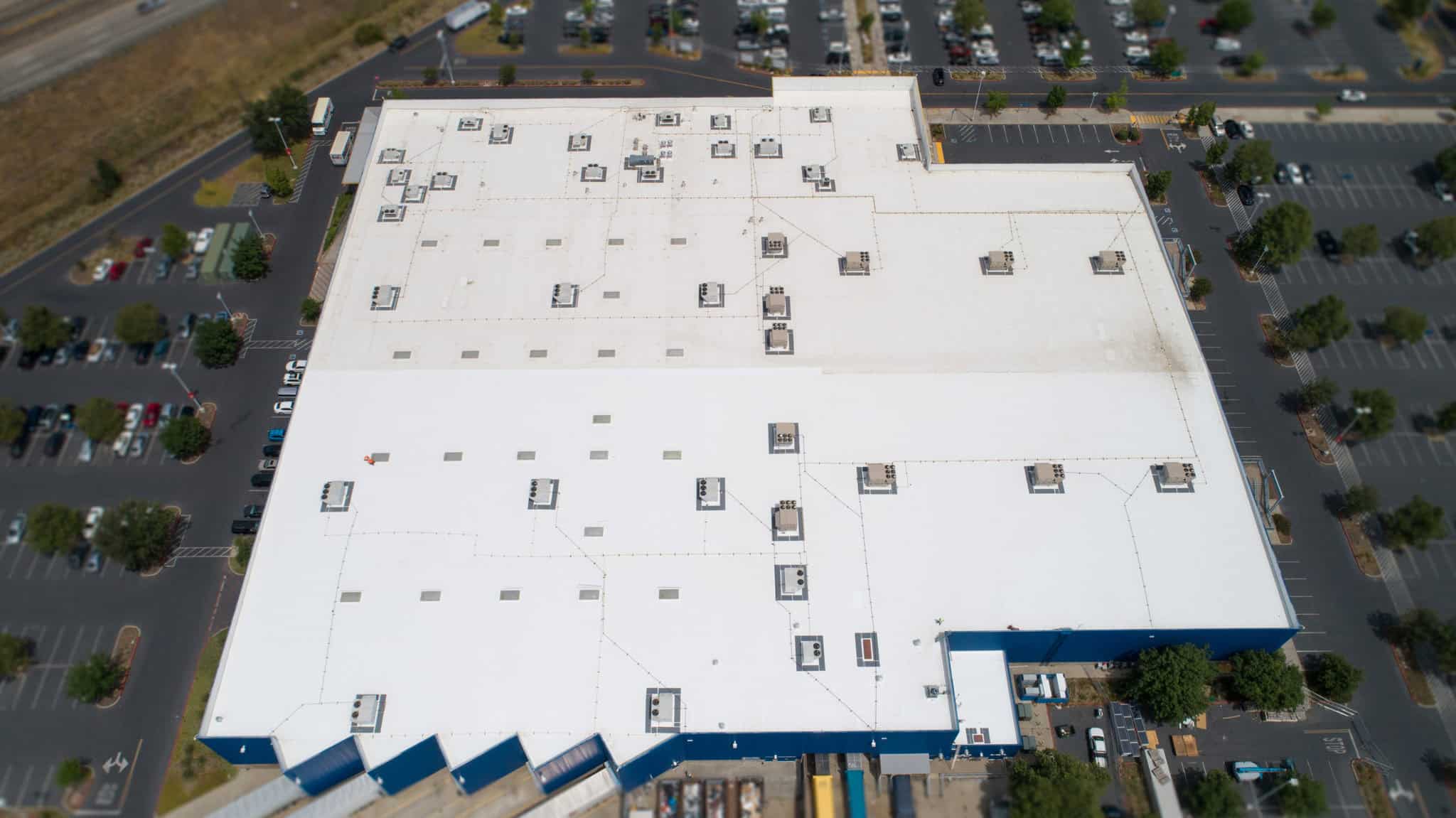 Commercial Re-Roofing