
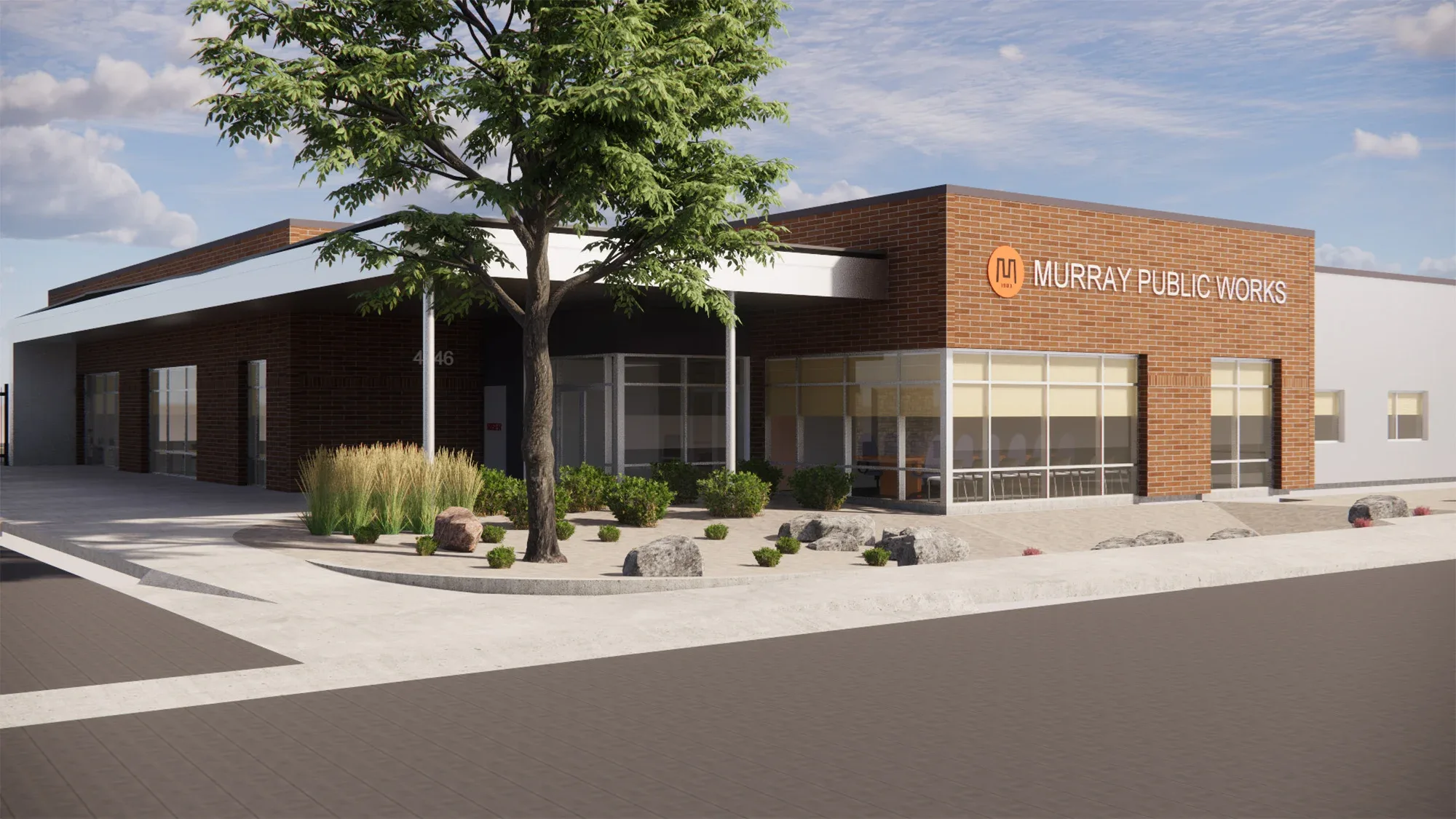
Gym roofs carry loads a retail box never sees
From the street a fitness center looks like any other big-box tenant. The roof tells a different story. A packed studio on a Monday evening puts hundreds of people breathing hard under one membrane, and the mechanical system overhead has to move enough air to keep that room livable. That means heavy rooftop equipment, a dense field of penetrations, and — wherever there is a pool, spa, or steam room — a humidity load pushing up against the deck from below. We scope St. Petersburg gyms around those three realities first.
We see them across the city's retail spine: the Tyrone Square area along 66th Street North, the 4th Street North corridor, the Central Plaza and Grand Central District stretches, and the newer fitness tenants going into ground-floor space in the EDGE District and downtown. Older Tyrone-area buildings tend to be steel deck over long open bays from a former department-store or grocery use; the downtown and EDGE conversions are concrete and masonry. Each gets its own attachment and insulation approach.
Long clear spans and a heavy mechanical field
Open training floors are built on wide-span steel deck with no interior columns to break up the bay, so deflection and uplift behave differently than on a compartmentalized office roof. We confirm the deck rib depth and gauge and run fastener pull-out where it matters, rather than assuming a standard pattern holds. On top of that deck sits a mechanical array that is genuinely dense: dedicated rooftop units for the main floor, separate exhaust and make-up air for group-exercise and spin rooms, locker-room and restroom exhaust, and water-heating vents. The penetration count per thousand square feet on a gym roof routinely runs two to three times a comparable retail box, and every curb, vent, and conduit run is flashed and documented individually.
Pool and locker-room humidity attacks from underneath
Where a facility has a pool, spa, hot tub, or steam room, the leak risk does not start at the membrane — it starts inside. Warm, chlorinated, saturated air rises, finds the path of least resistance, and condenses inside a roof assembly that was not designed to stop interior vapor drive. In our climate that moisture has nowhere good to go, and it quietly soaks the insulation until the R-value is gone and the deck starts to corrode. The fix is in the assembly: a correctly positioned vapor retarder and air barrier for our climate zone, not just a tight sheet on top. We review the existing build-up and specify the retarder placement deliberately on any natatorium or wet-area gym.
Big rooftop units on a wide deck in a wind zone
The same large package units that condition an open training floor are heavy, tall, and catch wind, and they sit on a broad low-slope deck in a coastal high-wind region. Tampa Bay sees hurricane-season uplift, and an undersized or rusted-through curb is both a leak and a structural liability when the gusts arrive. As part of the reroof we confirm each curb is the right height and properly anchored, raise the ones that fall short of the membrane manufacturer's minimum, and detail the metal edge and perimeter fastening to the wind pressures these wide, parapet-edged roofs actually face. On an exposed gym roof the perimeter and corners take the highest loads, and that is where we tighten the attachment.
Working around a 5 a.m. open
Most gyms here open before dawn and many run around the clock. Roofing has to fit that schedule, not fight it. We sequence loud tear-off and fastening to the lowest-occupancy windows, keep the area over the pool and locker rooms watertight at the end of every shift, and coordinate any HVAC shutdown so air quality over the swimming area stays within state bathing-place requirements. The scheduling plan is written into the proposal up front — it is part of the scope, not a change order after the fact.
Frequently asked questions
Our pool area keeps causing roof leaks — why?
It usually is not the membrane. Interior humidity from the pool drives moisture up into the assembly, and without a properly placed vapor retarder and air barrier for our climate it condenses on the cold side and saturates the insulation. We diagnose the assembly, not just the sheet, and specify a build-up that keeps that vapor from reaching the deck.
What membrane do you put on a fitness center?
For buildings with a pool, spa, or steam room we favor a fully adhered 60-mil TPO or PVC — adhered systems cut the fastener field and pair better with the vapor control these wet buildings need. Dry gyms without a natatorium can use mechanically attached 60-mil TPO, which is sound and more economical.
Can you work without closing the gym?
Yes. We schedule the disruptive work into low-traffic windows, confirm watertight dry-in over occupied areas in writing each day, and hold crew start times and noise limits agreed with the manager before we mobilize. Members keep training while the roof gets replaced over their heads.
Is the rooftop HVAC curb work included?
It is standard scope. We measure every curb's size and height before pricing, and undersized curbs — common on older converted buildings — are raised or rebuilt so the new flashing meets the membrane manufacturer's minimum height for warranty. Skipping that step is how curb leaks come back.
We are a chain location — can you work through our corporate facilities process?
Yes. We run jobs through national and regional facilities-management and approved-vendor programs as readily as we work directly with independent owners and Pinellas County investors. Either way the closeout package is the same: permit and final inspection, warranty registration, drain and flashing inspection record, and a roof-zone diagram with the full penetration inventory for the asset file. For multi-club operators we keep that documentation in a consistent format across locations, so a regional facilities manager comparing two St. Petersburg gyms is reading the same report structure for both.
How long does a typical fitness center reroof take, and will members notice?
A single-building gym reroof is usually a matter of weeks, driven by the roof area, the penetration density, and how much curb and flashing remediation the existing units need. Members notice far less than owners expect: with the disruptive work shifted to low-traffic windows and the membrane dried in over the pool and locker rooms every night, the floor stays open and the doors stay unlocked through the project. We confirm the realistic timeline against your specific building at the roof walk rather than quoting a generic duration.
 Hotel and Hospitality Roofing
 Multi-Tenant Retail Strip Roofing
 Warehouse Roofing
 Medical Office Building Roofing
 Commercial Roof Repair in St. Petersburg | Planned & Emergency
 Commercial Re-Roofing