
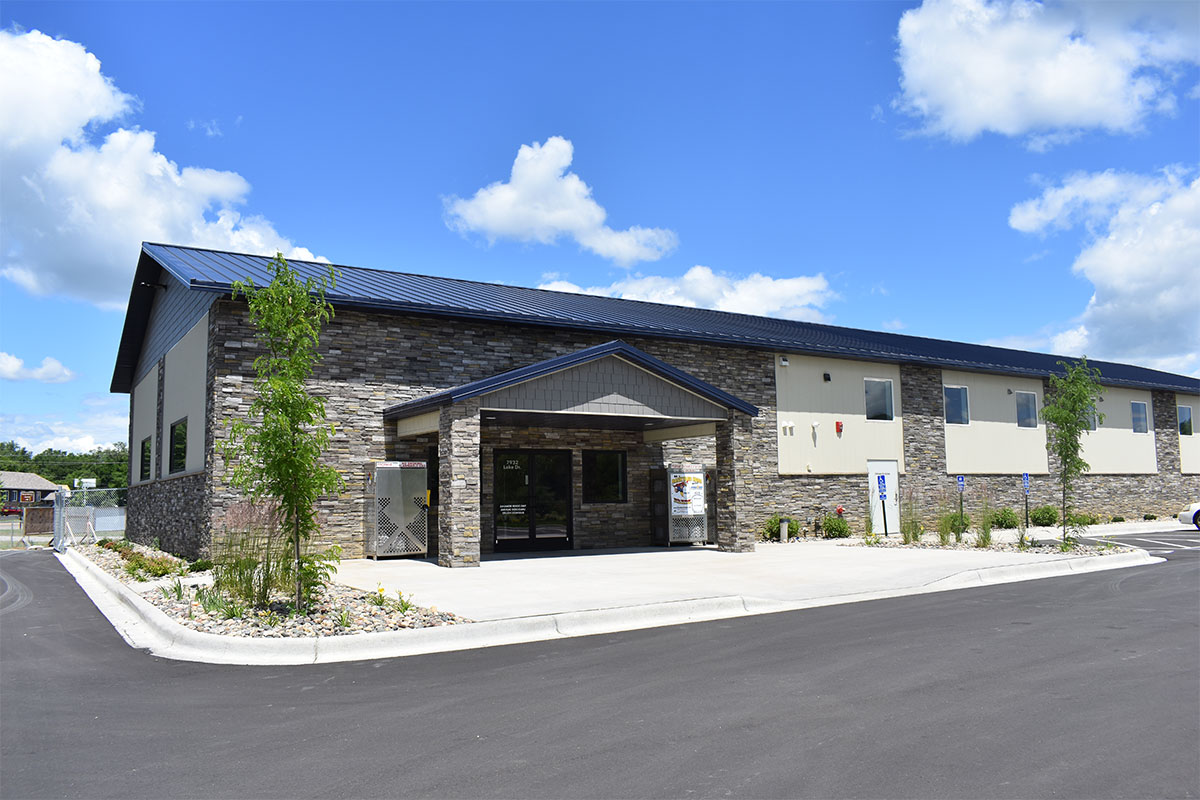
Roofing built for the way flex buildings actually get used in St. Petersburg
A flex building rarely keeps the same tenant mix for long. The same envelope that started life as a light-assembly shop ends up housing a distributor, a marine-services contractor, and a back-office tenant across three demised bays — and every one of those moves leaves a mark on the roof. We treat that churn as the central design problem on Pinellas County flex roofs, not as a footnote. Before we price anything we walk the building bay by bay and tie what is on the roof to who is paying rent below it, because the property records almost never tell the whole story.
Most of the inventory we work on sits in the same handful of pockets. The Gateway area off Roosevelt Boulevard and the Carillon Park district near the I-275 and Ulmerton Road interchange hold a deep run of 1980s and 1990s tilt-wall flex buildings. The Lealman corridor along 28th Street North and the older bays in and around the Warehouse Arts District carry an even older stock — built-up roofs and early single-ply over steel deck. Each of those construction eras fails differently, and we spec for the deck in front of us rather than from a detail.
The penetration survey is the whole job
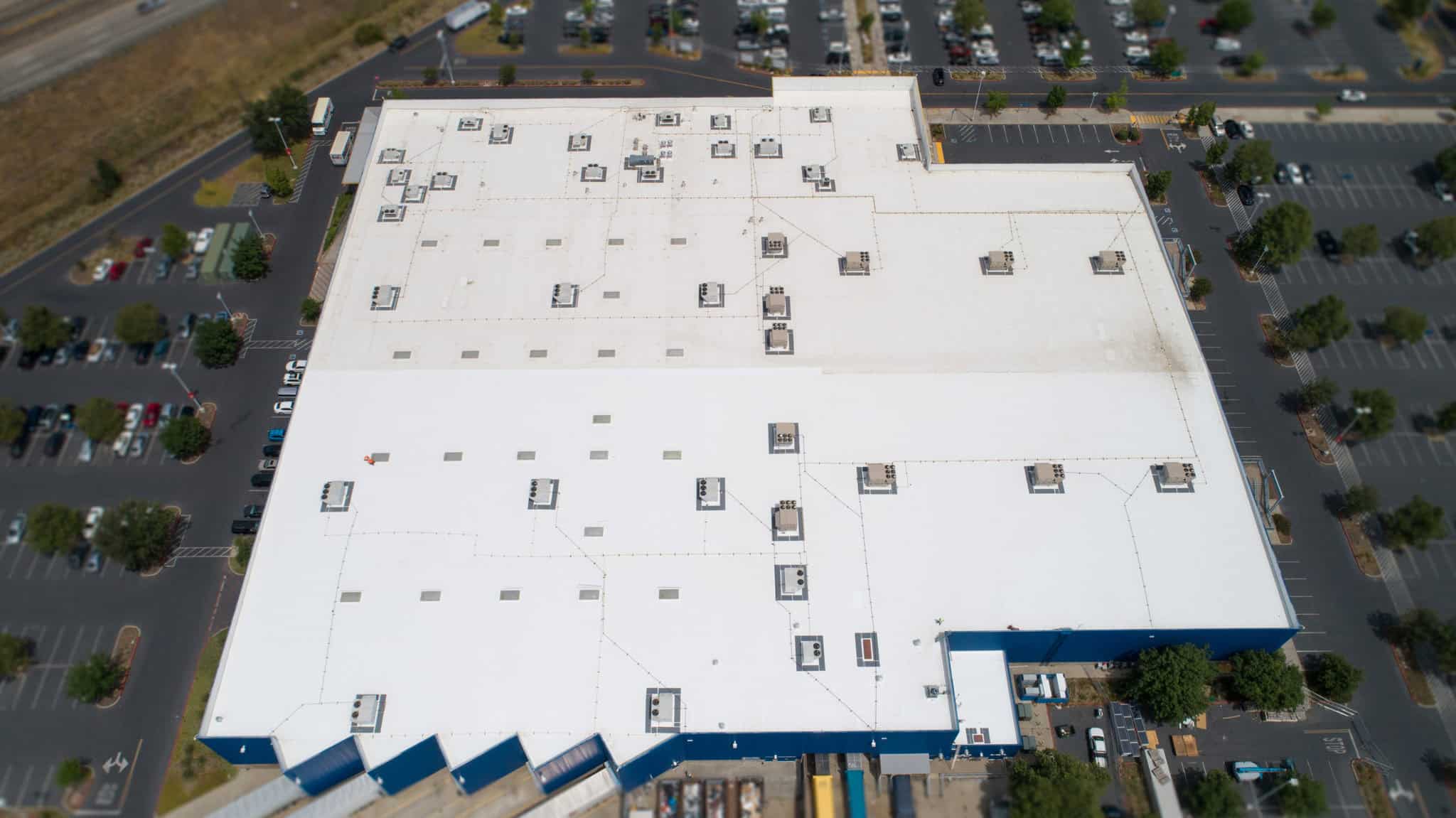
Single-user industrial buildings get a roof loading plan and mostly keep to it. Flex buildings do not. Tenant build-outs add rooftop package units, cut new curbs for exhaust and make-up air, and run conduit and refrigerant lines straight through the membrane — often by trades who never coordinated with a roofer. By the time we arrive, a 40,000-square-foot flex roof can carry two to three times the penetration count its original drawings show.
So we start with a documented penetration inventory. Every curb, pipe boot, gas line, condensate run, and abandoned opening gets photographed, located on a roof plan, and graded. Abandoned penetrations from tenants who left years ago are a leading leak source here, and they are easy to miss until water shows up in a bay two units away from the actual breach. We map them all before a single fastener goes in, which is also what keeps the manufacturer warranty clean.
Membrane choices for tilt-wall and pre-engineered bays
For concrete tilt-wall and masonry flex buildings, a 60-mil mechanically attached TPO over tapered polyiso is our workhorse specification. It handles the multi-tenant penetration field well, hits the cool-roof reflectivity the energy code now expects, and is economical across large multi-bay footprints. Where a building sees heavy service-tech foot traffic from several tenants' HVAC contractors, we step up to 80-mil TPO or a fully adhered 60-mil PVC and add reinforced walkway pads along the equipment routes, because puncture and traffic wear are what actually end a flex roof in this market.
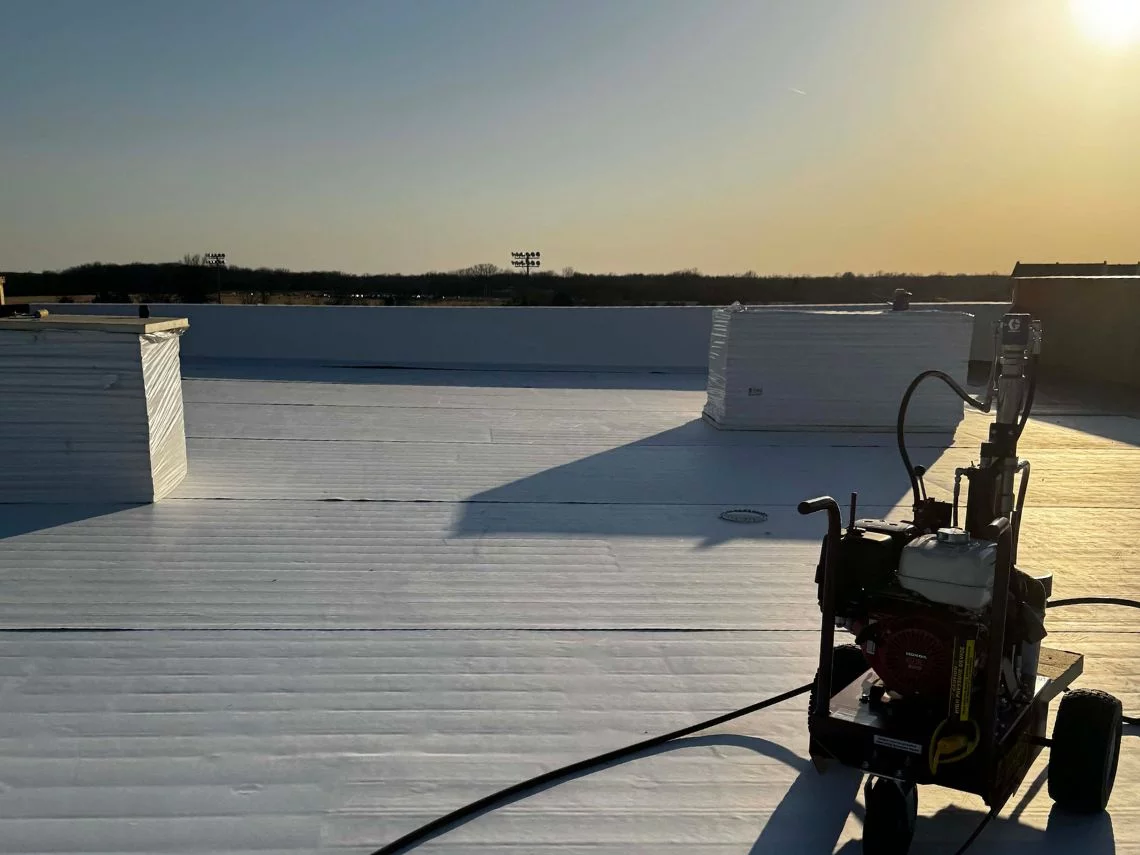
Pre-engineered metal flex buildings get evaluated on their own track. If the standing seam or R-panel is structurally sound, a silicone restoration coating or a retrofit standing-seam recover can add years without a tear-off and without disturbing the tenants below. We check panel condition, purlin spacing, and fastener back-out before recommending recover versus full replacement.
Lease turns, vacancy, and the salt-air reality
Vacancy is where flex roofs quietly deteriorate. When a tenant pulls a rooftop unit, the curb is often capped with a temporary cover that does not survive a Tampa Bay summer storm season. We tell every owner and property manager the same thing: inspect the roof at each lease turn, confirm curb caps are watertight, seal the penetrations the departing tenant left behind, and clear the drains, because empty bays collect debris faster than occupied ones. Add the salt-laden air off the bay — which chews through exposed fasteners and unprotected metal edge faster inland crews expect — and a neglected flex roof can lose a decade of service life between tenants.
Frequently asked questions
How do you handle the undocumented penetrations tenants leave behind?
We assume the building records are incomplete and verify in the field. Our pre-project survey photographs and locates every roof penetration on a plan, flags anything non-standard or abandoned, and scopes remediation for it before new membrane goes down. That is what prevents a leak in one tenant's bay from being traced — months later — to a sealed-over opening above a completely different unit.
What membrane do you recommend for a multi-tenant flex roof?
For tilt-wall and masonry buildings, 60-mil mechanically attached TPO over tapered polyiso is the cost-effective default across St. Petersburg. Where multiple tenants' service contractors are constantly on the roof, 80-mil TPO or fully adhered PVC earns its premium in puncture and traffic resistance, and we route walkway pads to the equipment to protect the field.
Can you reroof one bay's section without shutting down the rest of the building?
Yes. We phase the work bay by bay using an occupancy map from property management, identify which units have live rooftop equipment and which are vacant, and sequence tear-off and dry-in so no demised space is left open overnight. Tenants get notice through the property manager and the crew works to a written daily dry-in confirmation.
Do you work directly with portfolio owners and property managers?
Most of our flex work is for investors and management firms holding several Pinellas County buildings. We price per roof square after a roof walk and cores where needed, and we deliver standardized condition reports across a portfolio so capital planning for the next few budget years is built on the same data set for every property.
Is a coating a real option on a metal flex building, or just a stopgap?
It is a real option when the panel and structure are sound. A properly prepared silicone restoration system stops active fastener-hole and seam leaks, adds reflectivity, and carries its own warranty — often a far better value than tearing off a structurally fine metal roof. We only recommend it after confirming the substrate can support it; if the panels are failing, recover or replacement is the honest answer.
 Hotel and Hospitality Roofing
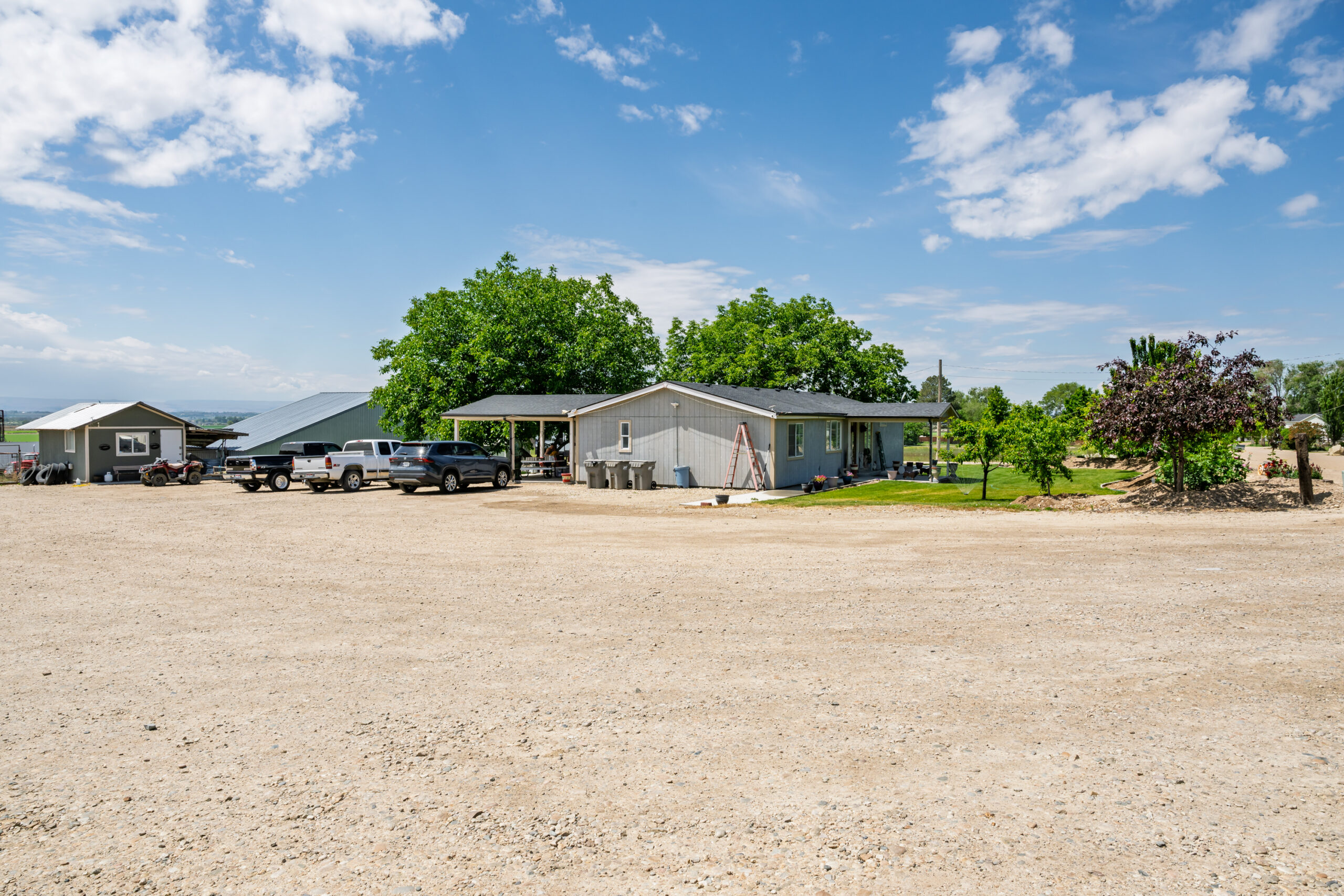 Multi-Tenant Retail Strip Roofing
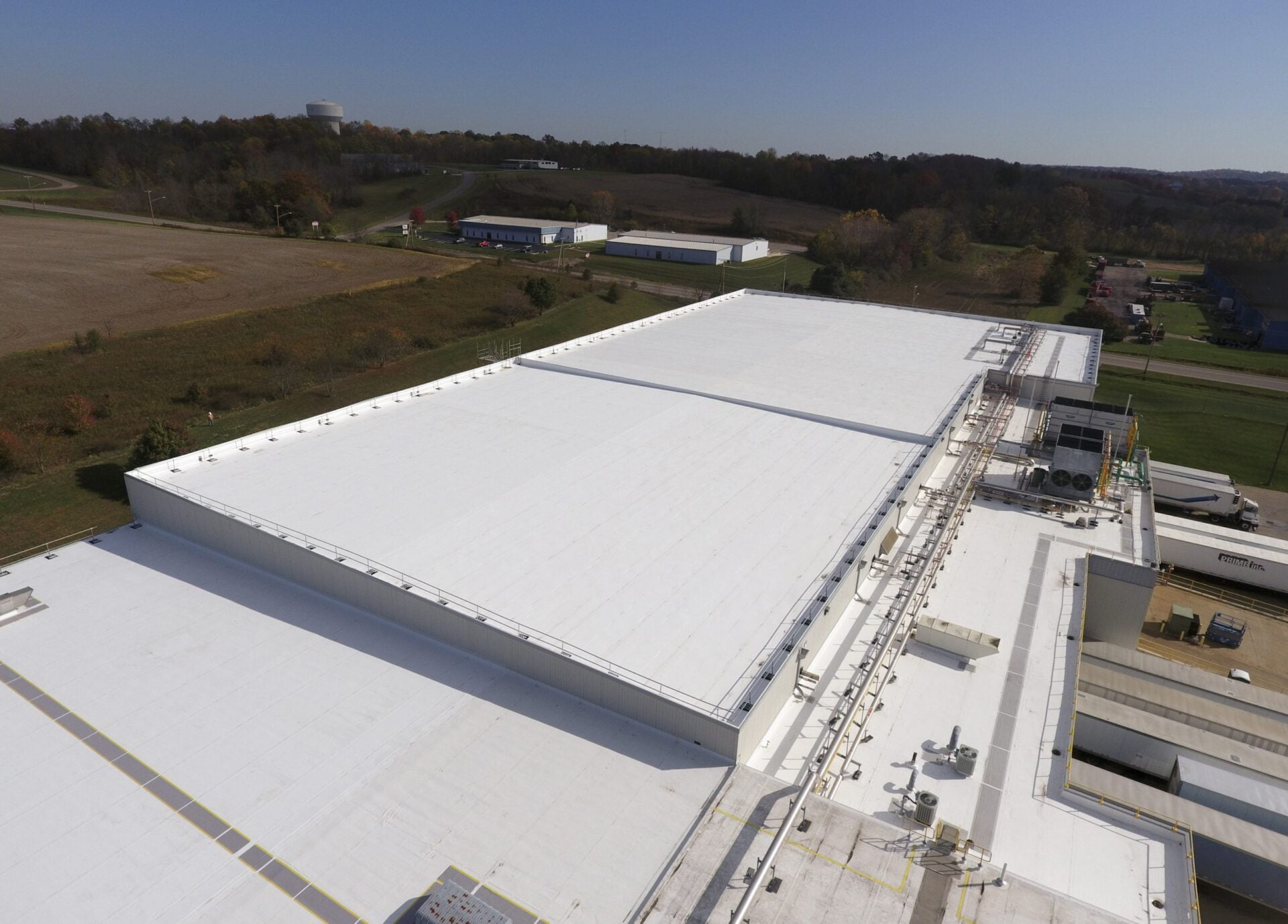 Warehouse Roofing
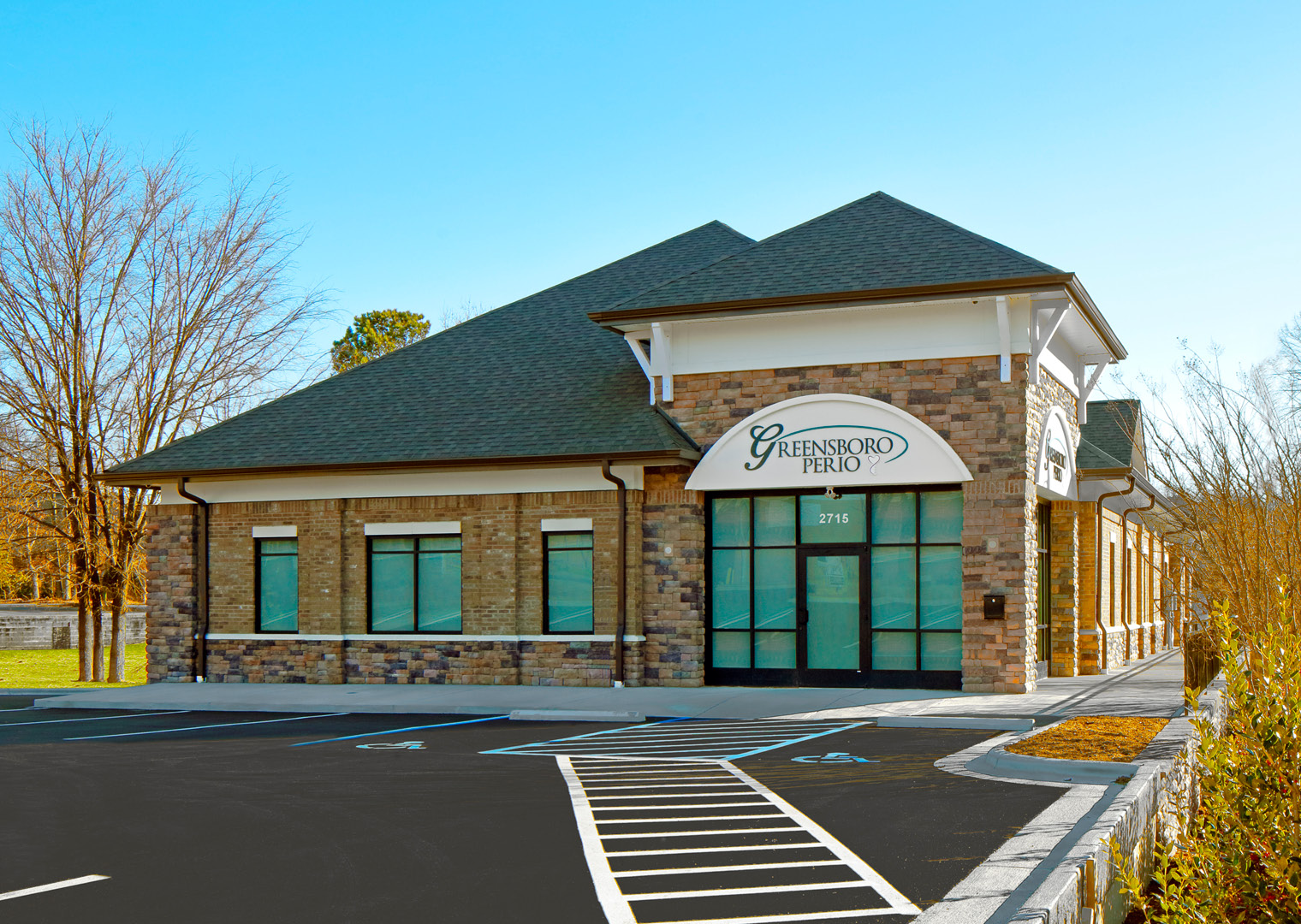 Medical Office Building Roofing
 Commercial Roof Repair in St. Petersburg | Planned & Emergency
 Commercial Re-Roofing