
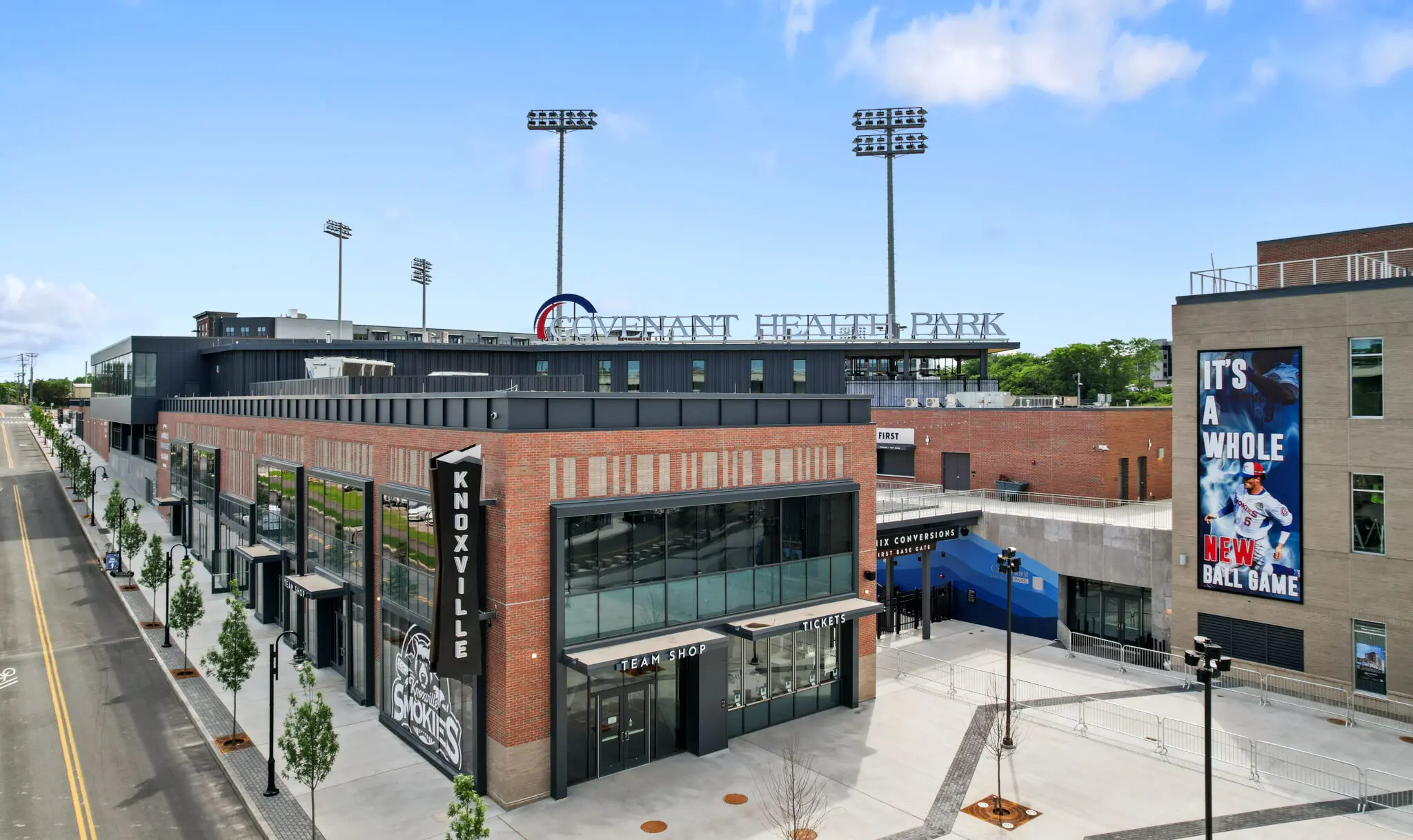
One building, several roofs, and a warranty map to keep straight
A mixed-use project is not a single roof — it is a stack of different roofs over different uses, and the hard part is the seams between them. Shops at street level, parking woven into the base, offices in the middle, apartments or condos up top, and an amenity deck somewhere in between: each zone has its own occupancy schedule, its own mechanical loads, and its own consequence when water gets in. Over a retail tenant a leak is a closed store; over a residential unit it is somebody's home and a far bigger liability. We scope these buildings vertically, zone by zone, instead of treating the roof as one flat plane.
This is the defining building type in St. Petersburg's downtown core right now. The EDGE District, the Central Avenue spine, the blocks around the Sundial and BayWalk, the Innovation District near USF St. Petersburg and Bayboro, and the adaptive-reuse projects in and around the Grand Central and Warehouse Arts Districts are all delivering ground-floor retail under residential and office floors. We work the new ground-up towers and the conversions alike.
The podium deck is waterproofing, not roofing
The most expensive mistake on a mixed-use building is treating the podium — the occupied deck between parking or retail below and living space above — as if it were a standard low-slope roof. It is not. A podium has people, planters, and sometimes vehicles bearing directly on it, structural deflection working it constantly, and standing hydrostatic pressure in every landscaped area. It needs a traffic-bearing waterproofing assembly: the membrane, a protection course, a drainage composite, root barriers under any landscaping, and an insulation load path worked out with the structural engineer. Put an ordinary roofing sheet there and it fails in a few years, under finishes that are costly to pull up. We specify the podium as the waterproofing system it actually is.
Coordinating warranties across mismatched roof areas
Because the field membrane, the amenity-deck waterproofing, and the podium can come from different product lines, the warranties have to be coordinated deliberately — not left to chance at closeout. We map every roof and deck zone to its system and its warranty, make sure the transitions and terminations between zones are detailed so no manufacturer can disclaim a tie-in, and register each warranty in the owner's name. The goal is one coherent set of coverage across the building rather than a patchwork with gaps right where two systems meet.
Drainage that has to clear a full building of people
Drainage on a mixed-use building is not a roof problem in isolation — water shed from the upper roofs, the amenity deck, and the podium all has to be carried down and out without ever finding its way into a unit or a storefront. St. Petersburg's rainfall comes in hard, fast summer cells, so we size primary drains and independent overflow scuppers for those bursts, keep the overflow paths genuinely separate from the primaries so a blocked drain still has an exit, and tie the roof drainage into the building's storm system rather than leaving it to discharge onto a deck or parapet below. On a stacked building a single clogged drain that backs up over an occupied space is exactly the failure these systems exist to prevent, so the redundancy is deliberate.
Working over people in an urban core
Upper-floor roofing on a mixed-use tower brings its own list: parapet drainage and overflow scuppers sized for our downpours, mechanical-penthouse and elevator-overrun flash-throughs, and amenity-deck waterproofing under the finished surface. All of it happens above occupied retail and residences, under downtown noise rules and tight street access. We build a phasing and dry-in plan with the GC, the MEP trades, the structural engineer, and the envelope consultant before mobilizing, contain noise and debris over the public spaces below, and confirm watertight protection in writing at the end of every shift — we do not leave a section open over someone's apartment overnight.
Frequently asked questions
Why can't we just roof the podium deck like the rest of the building?
Because a podium carries live loads a roof never does — foot or vehicle traffic, planters under constant hydrostatic pressure, and structural deflection. It needs a traffic-bearing waterproofing assembly with a protection course, drainage composite, and root barriers, not a low-slope roofing membrane. The wrong call here fails within a few years and under expensive finishes.
How do you keep the different roof warranties from leaving gaps?
We map every zone to its system and coordinate the warranties as a set, paying special attention to the transitions where two systems meet. Terminations and tie-ins are detailed so no manufacturer can disclaim them, and each warranty is registered in the owner's name at closeout.
Do you handle rooftop amenity decks?
Yes. Amenity decks need a traffic-bearing waterproofing assembly beneath the finished surface, installed and warranted in coordination with the deck-finish contractor and the structural engineer of record — not a standard roof membrane left exposed to furniture and foot traffic.
What documentation do developers and lenders expect?
Architect-reviewed submittals, manufacturer technical approval of the specified systems, mock-up testing before full installation, QC inspection reports, manufacturer-rep inspections at the critical phases, and no-dollar-limit warranty registration at closeout. We work inside the project's submittal and QC framework from preconstruction through final inspection.
Can you reroof an occupied mixed-use building?
Yes, and most of this work is occupied. We phase the job, coordinate access and notice with building management and tenants, contain noise and debris over the retail and residential spaces, and confirm watertight dry-in in writing each day. No area is left open over an occupied unit at the end of a shift.
We are converting an older building into mixed-use — what changes for the roof?
Adaptive reuse is common in the Grand Central and Warehouse Arts areas, and the roof scope shifts from new construction in two ways. First, the existing deck and assembly are an unknown until we core them, so we verify what is there and what it can carry before adding new residential and amenity loads on top. Second, adding living space above former commercial or industrial use introduces vapor, drainage, and fire-rating requirements the original roof was never built for. We reconcile the old structure with the new occupancy in the specification rather than assuming the existing roof can simply be recovered.
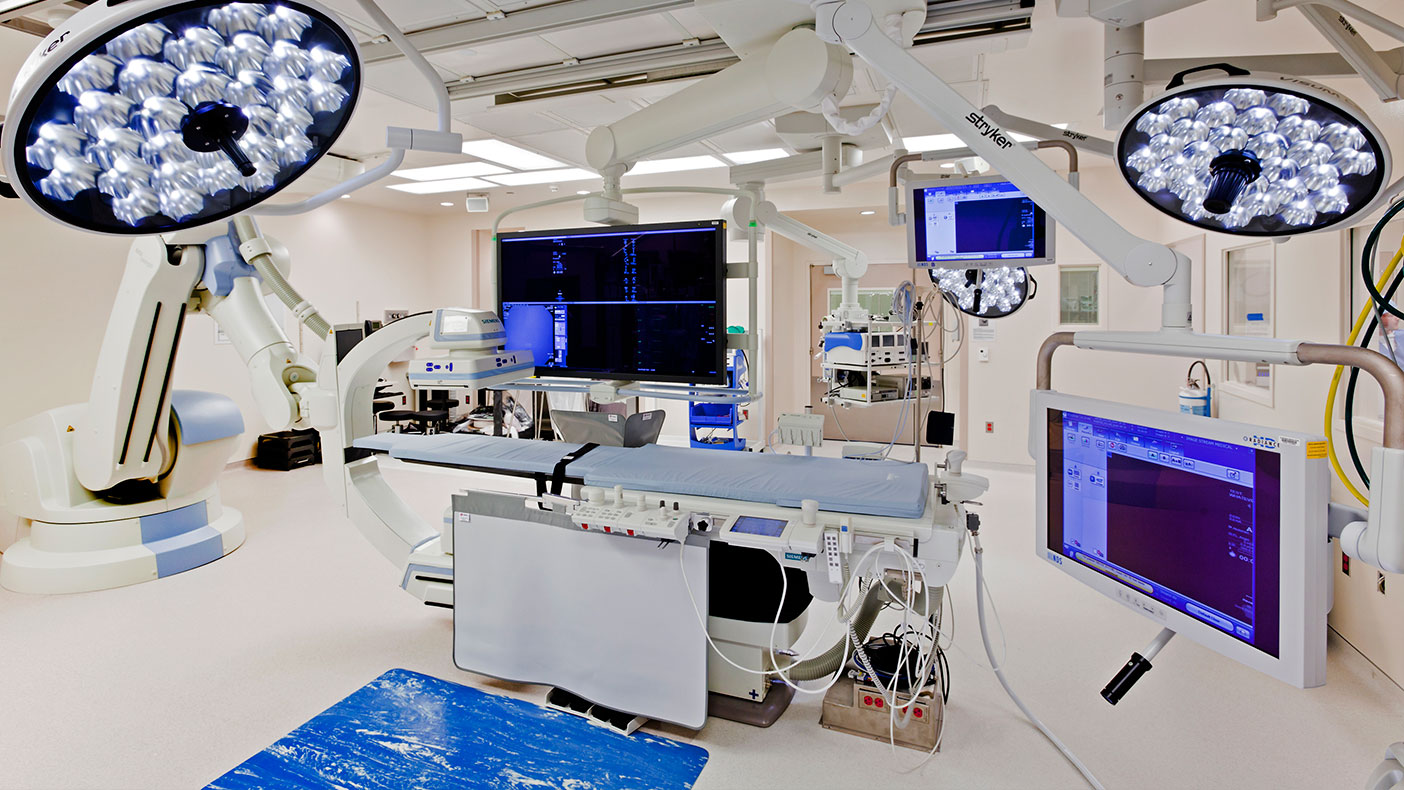 Hotel and Hospitality Roofing
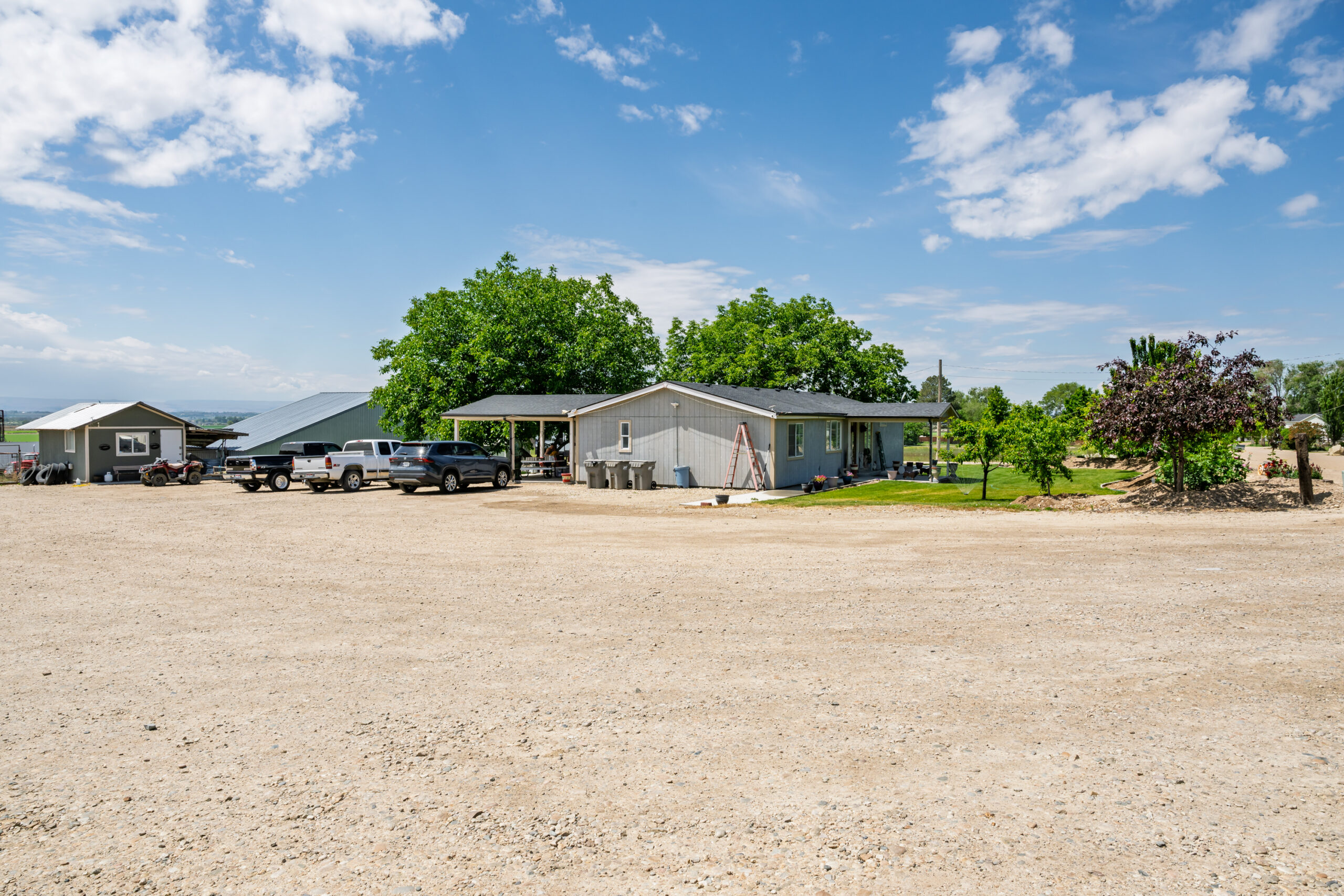 Multi-Tenant Retail Strip Roofing
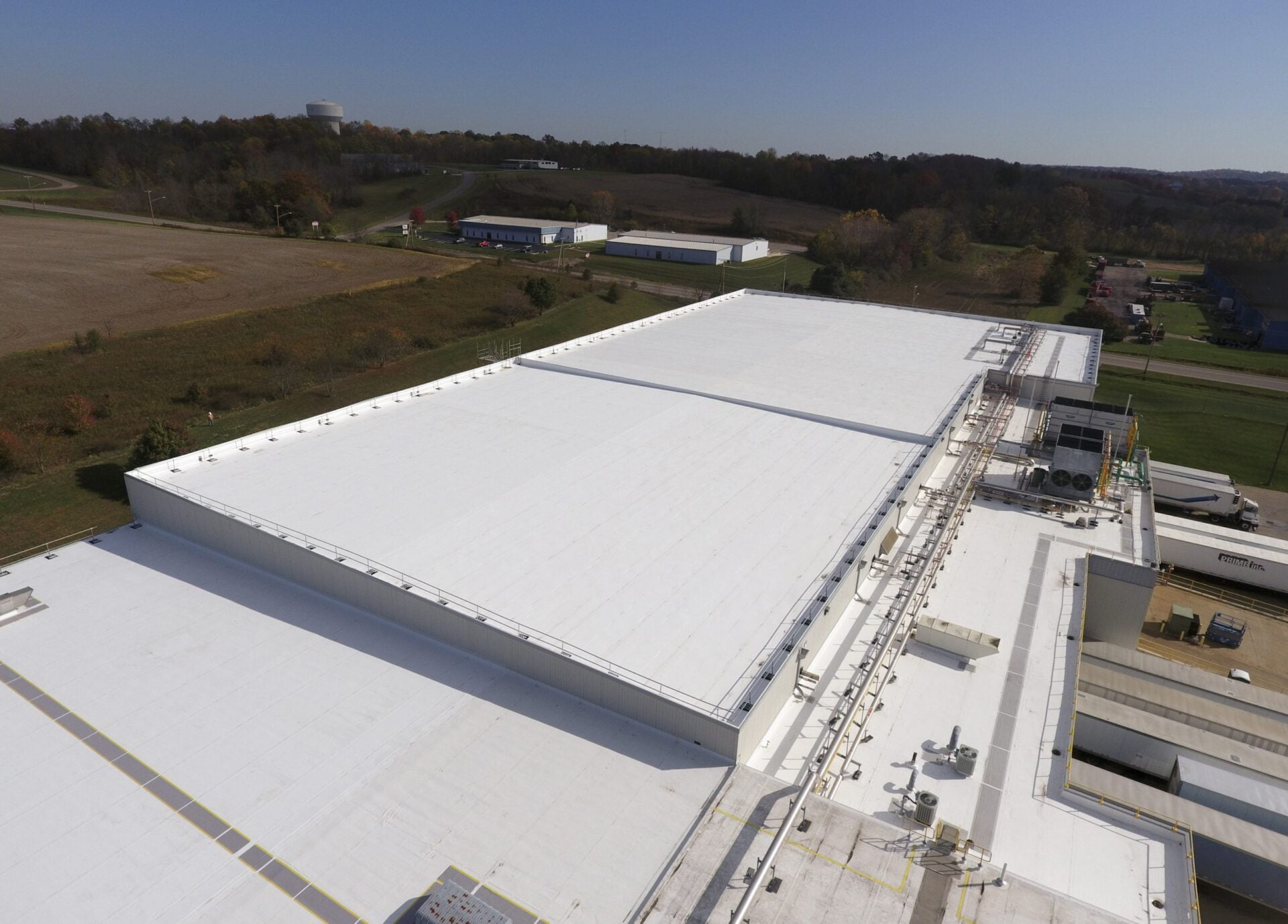 Warehouse Roofing
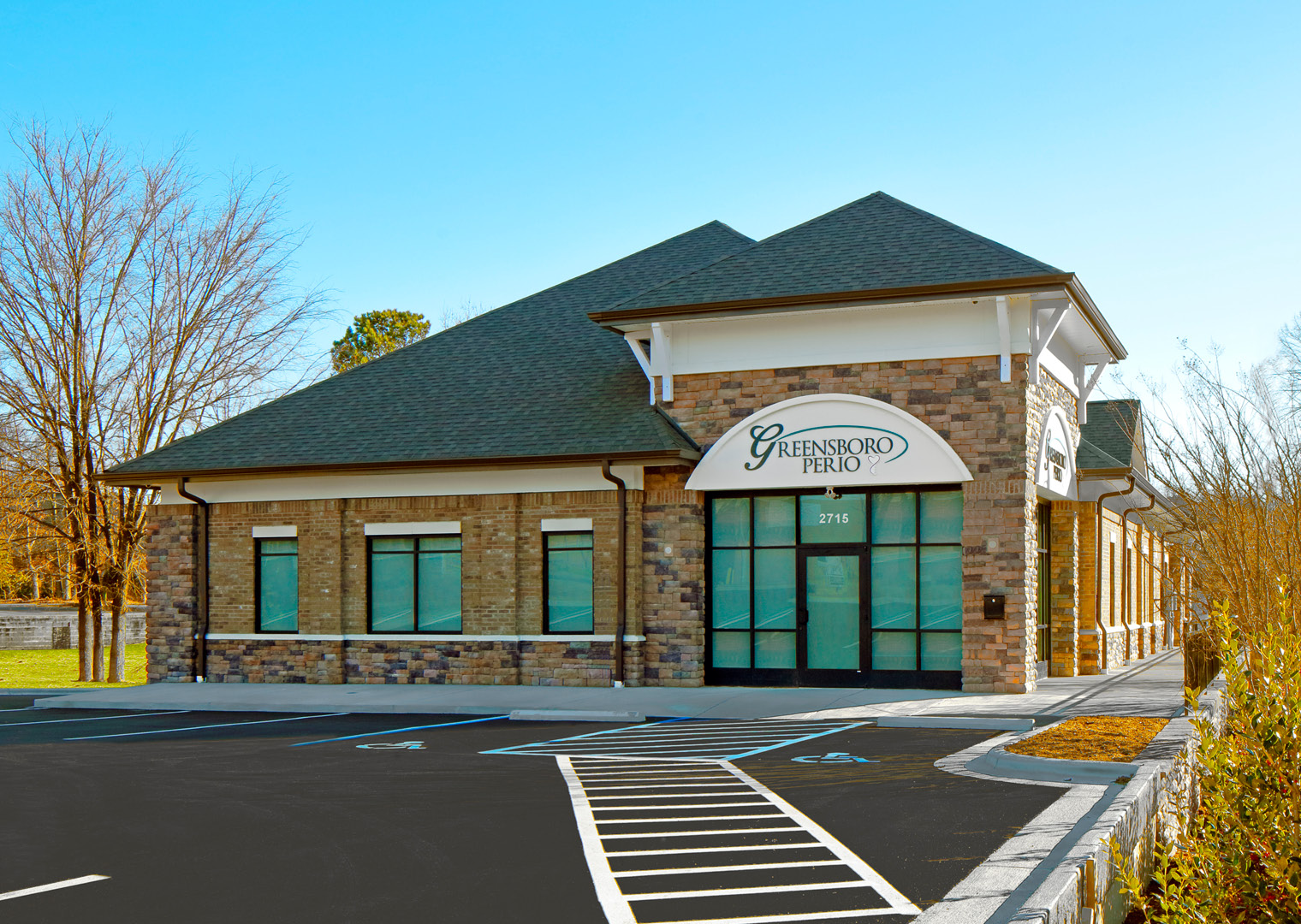 Medical Office Building Roofing
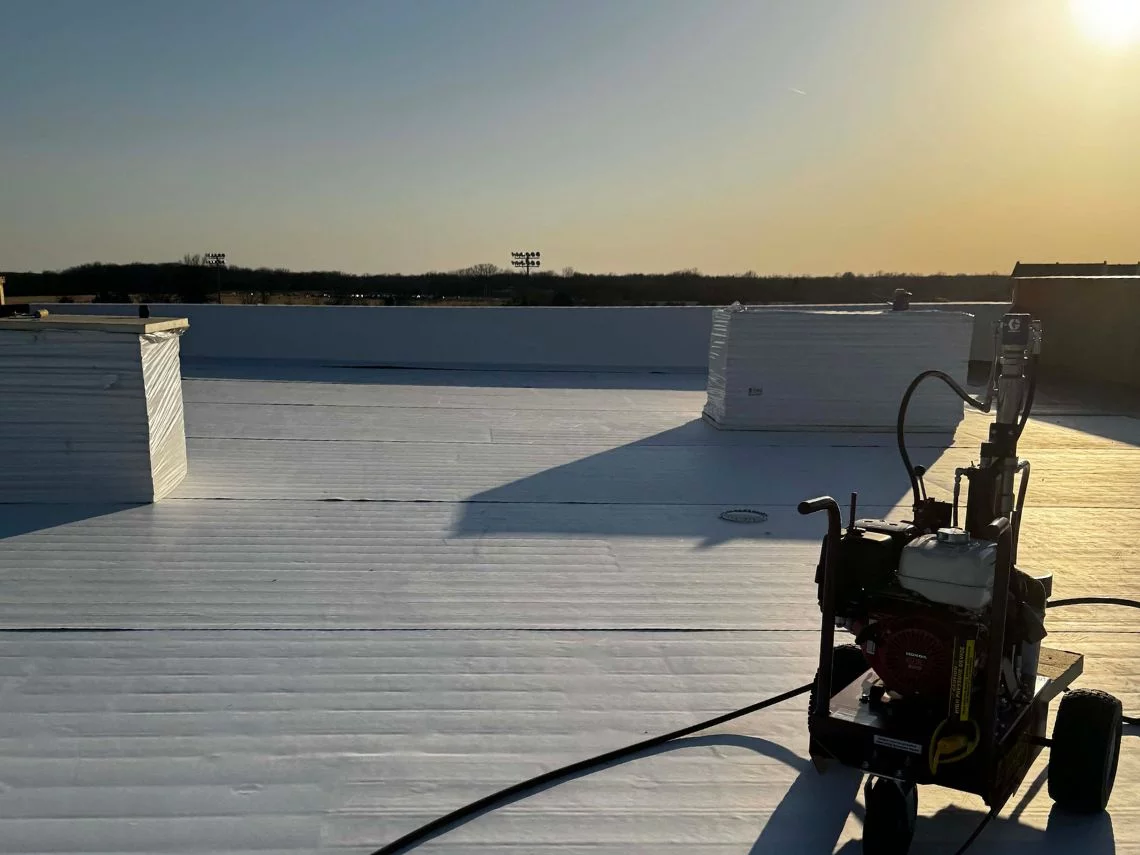 Commercial Roof Repair in St. Petersburg | Planned & Emergency
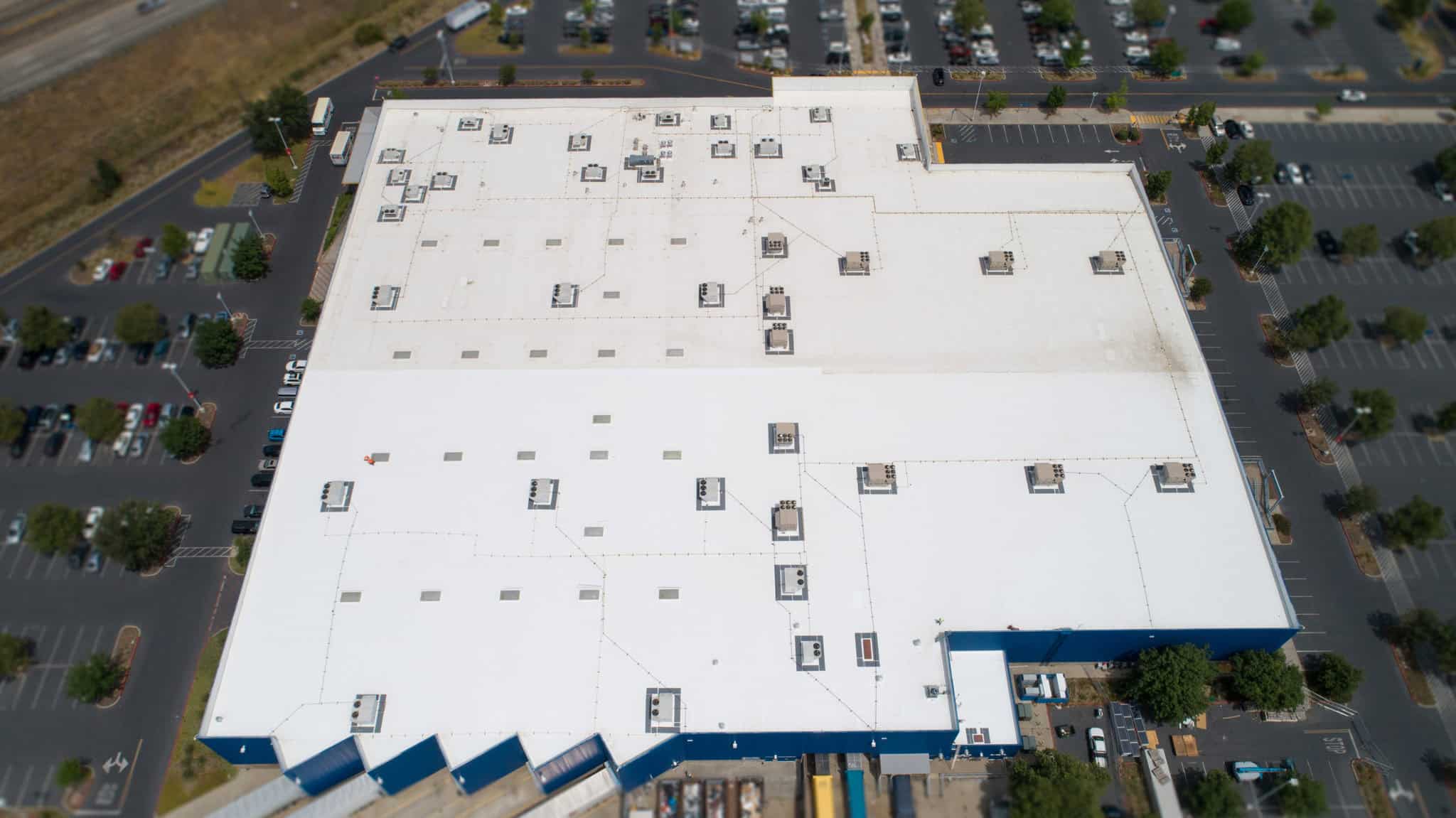 Commercial Re-Roofing