
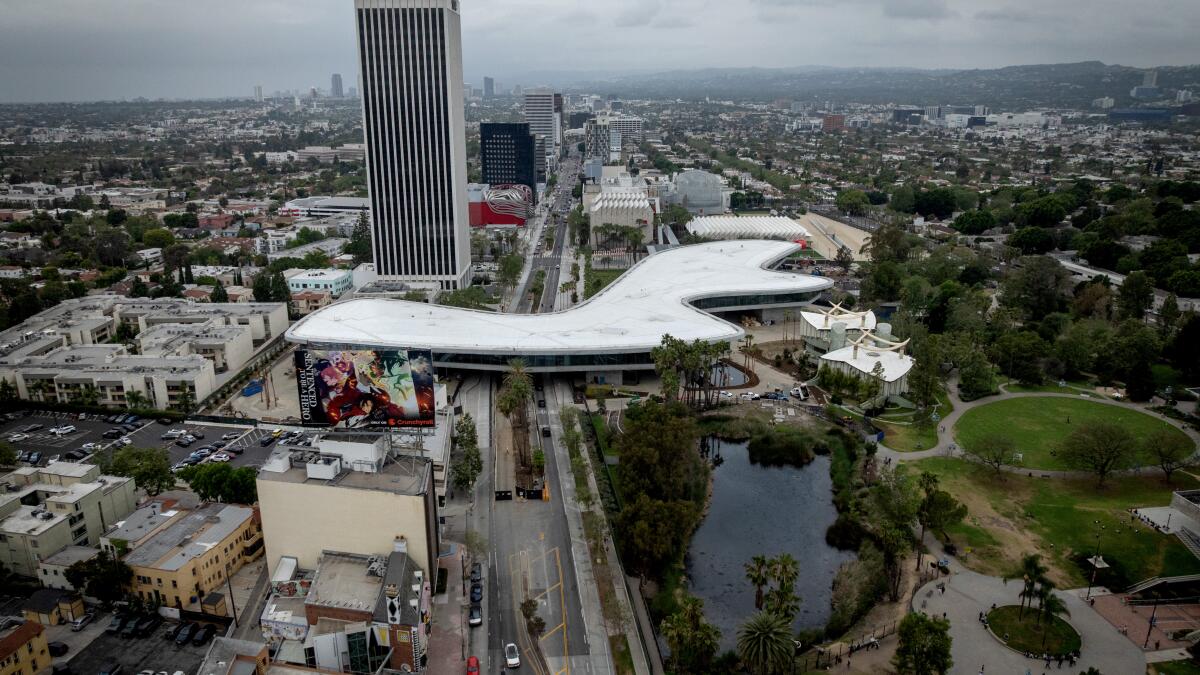
Museum and cultural institution roofing in St Petersburg requires phased project planning focused on one constraint that overrides scheduling, cost, and convenience: the collection cannot be exposed to moisture. Not even briefly. Artwork, manuscripts, historic textiles, and archival materials can sustain irreversible damage from relative humidity changes that are invisible to the human eye. A re-roofing project that allows even low-rate moisture infiltration into a gallery space causes damage that may not become apparent until months after construction is complete. We treat every gallery and collection storage area as a zero-exposure zone from day one of construction planning.
The phase boundary protocol for museum re-roofing in St Petersburg is the most stringent in commercial construction. Before any membrane tearoff begins over a gallery or collection storage area, temporary weather protection is installed, inspected, and confirmed by the project manager — fully sealed poly over the exposed deck, all laps taped with butyl tape, all edges secured against wind-driven rain. If weather forecast shows more than 10% precipitation probability within 24 hours of the opening a phase boundary, we do not open that boundary. The temporary protection budget is built into every museum roofing proposal as a firm-price line item — not a contingency to be reduced.
The curatorial team's input on phase sequencing is a construction management requirement for museum re-roofing in St Petersburg. Curators know which galleries contain the most moisture-sensitive works, which storage vaults have the most stringent climate requirements, and which exhibit rotations will bring high-value loans into the building during the construction period. We meet with the curatorial team before finalizing the phase plan — not to seek permission, but because they have information that affects the sequence. A re-roofing contractor who doesn't involve the curatorial team hasn't understood what's at risk.
How we keep Museum & Cultural Facility Roofing practical
Before pricing Museum & Cultural Facility Roofing, we confirm which roof areas are involved, where water is moving, how crews can access the roof, and which assumptions could change the budget after closer inspection. That keeps the recommendation tied to the building instead of a broad square-foot number.
For St Petersburg commercial properties, we also separate immediate stabilization from long-term planning. Temporary dry-in, targeted repair, maintenance, coating, recover, and replacement can all be valid, but they should not be blended into one vague scope.
Museum & Cultural Facility Roofing properties need roof work that respects the people and operations below the roof. Entrances, parking, loading, patient areas, tenants, guests, inventory, mechanical systems, and security procedures can all affect the work plan before materials are ordered.
Access is reviewed early because it can change the whole project. Downtown buildings, waterfront hospitality properties, medical campuses, retail centers, warehouses, and multifamily buildings each create different rules for staging, crane or lift use, parking, tenant notifications, odor control, safety zones, and after-hours work.
Weather is treated as a project constraint, not background information. Summer rain, wind-driven storms, tropical systems, salt-air exposure, humidity, and fast-changing forecasts affect how much roof can be opened, how materials are stored, and when temporary protection has to be installed before the next work step.
Budget conversations stay more useful when the drivers are named. Wet insulation, deck repair, tapered insulation, drains, scuppers, coping, wall flashing, rooftop equipment, fall protection, material staging, disposal, and occupied-building sequencing can change cost and timing more than the roof label itself.
Field review also has to respect what the roof is connected to. Rooftop units, condensate lines, exhaust fans, grease containment, skylights, solar equipment, tenant penetrations, parapet walls, expansion joints, and older repair patches can all change where water travels and where a permanent repair has to land.
Drainage gets special attention in this market. Scuppers, primary drains, overflow paths, gutters, downspouts, tapered insulation, and ponding areas are reviewed because short, intense rainfall can expose a weak drainage design even when the membrane surface looks intact during dry weather.
Material decisions are checked against the existing assembly. A coating candidate, recover option, single-ply replacement, modified bitumen repair, metal edge correction, or foam restoration all require different assumptions about adhesion, moisture, attachment, slope, roof traffic, and future service access.
Scheduling is part of the technical scope. A roof plan that ignores loading access, tenant entrances, parking, material deliveries, noise, odor, security, and business hours can look acceptable on paper while creating unnecessary disruption once crews arrive. We keep those constraints visible before the work starts.
Communication stays practical during the work. Property managers, facility teams, tenants, and ownership need to know what area is being addressed, when roof access is required, what was found, what is complete, and what remains open for follow-up after the current weather window or repair phase.
The roof record also calls out unknowns, because hidden moisture, concealed deck damage, blocked drains, and undocumented prior repairs can change the correct next step.
Finally, the recommendation is written so the next decision is obvious: stabilize, repair, maintain, restore, recover, replace, or monitor with a defined follow-up window. That keeps ownership from paying for vague roof advice.
The closeout record matters after the work is done. We keep notes, photo locations, access constraints, completed repair areas, and remaining risk items connected to the roof area so owners can use the file for follow-up maintenance, budget planning, tenant communication, procurement review, or the next capital cycle.
Museum & Cultural Facility Roofing — Operations Questions
How do you protect the collection from moisture risk during roof replacement?
Every gallery and collection storage area receives fully sealed temporary weather protection before tearoff begins overhead. The protection is inspected by the project manager and confirmed in writing before tearoff starts. Phase boundaries are sealed with butyl tape and secured against wind-driven rain. If weather is forecast that creates precipitation risk to an open section within 24 hours, we stop opening new sections until the forecast window clears. We document the temporary protection condition with photographs at the start and end of each work day.
Can the museum remain open to visitors during re-roofing?
Yes — in most cases and with careful phasing. Galleries below active construction sections are closed during overhead work but may remain accessible if work is above a different building wing. Most museum re-roofing in St Petersburg proceeds with portions of the museum open and accessible to visitors. The phasing plan is reviewed with the museum's operations director and curatorial team before mobilization, and the public-facing gallery closures are communicated to visitors in advance.
How does a loan exhibit in the building affect the construction schedule?
High-value loan exhibits — works borrowed from other museums or private collections with specific climate and security conditions written into the loan agreement — cannot be in a building with active roofing construction overhead without the lending institution's approval. Before finalizing the construction schedule, we review the museum's upcoming exhibit calendar with the registrar's office and confirm that no loan exhibits will be installed in sections under or adjacent to active construction. Phasing may need to accommodate loan exhibit installation and deinstallation windows.
What is the process for resuming gallery operations after a construction phase?
Before any gallery or collection storage area is re-opened after overhead roofing work, the area undergoes a climate stability confirmation: temperature and relative humidity are monitored for 24-72 hours after construction is complete to confirm that the new roof assembly is providing the climate buffer the collection requires. If temperature or humidity is outside the acceptable range for the collection, the HVAC system is adjusted before the gallery is re-opened. The climate confirmation is documented and retained in the project record.
How do you coordinate with the museum's security system during construction?
Museum security systems — motion sensors, door contacts, glass-break sensors, and CCTV — extend to the roof level at many institutions. Construction access to the roof requires coordination with the security director to ensure that contractors are properly registered in the access system, motion sensors in work areas are temporarily masked (with security director approval), and the daily access log correctly reflects contractor entries and exits. We include security coordination as a standard pre-construction deliverable on every museum roofing project.
 Hotel and Hospitality Roofing
 Multi-Tenant Retail Strip Roofing
 Warehouse Roofing
 Medical Office Building Roofing
 Commercial Roof Repair in St. Petersburg | Planned & Emergency
 Commercial Re-Roofing