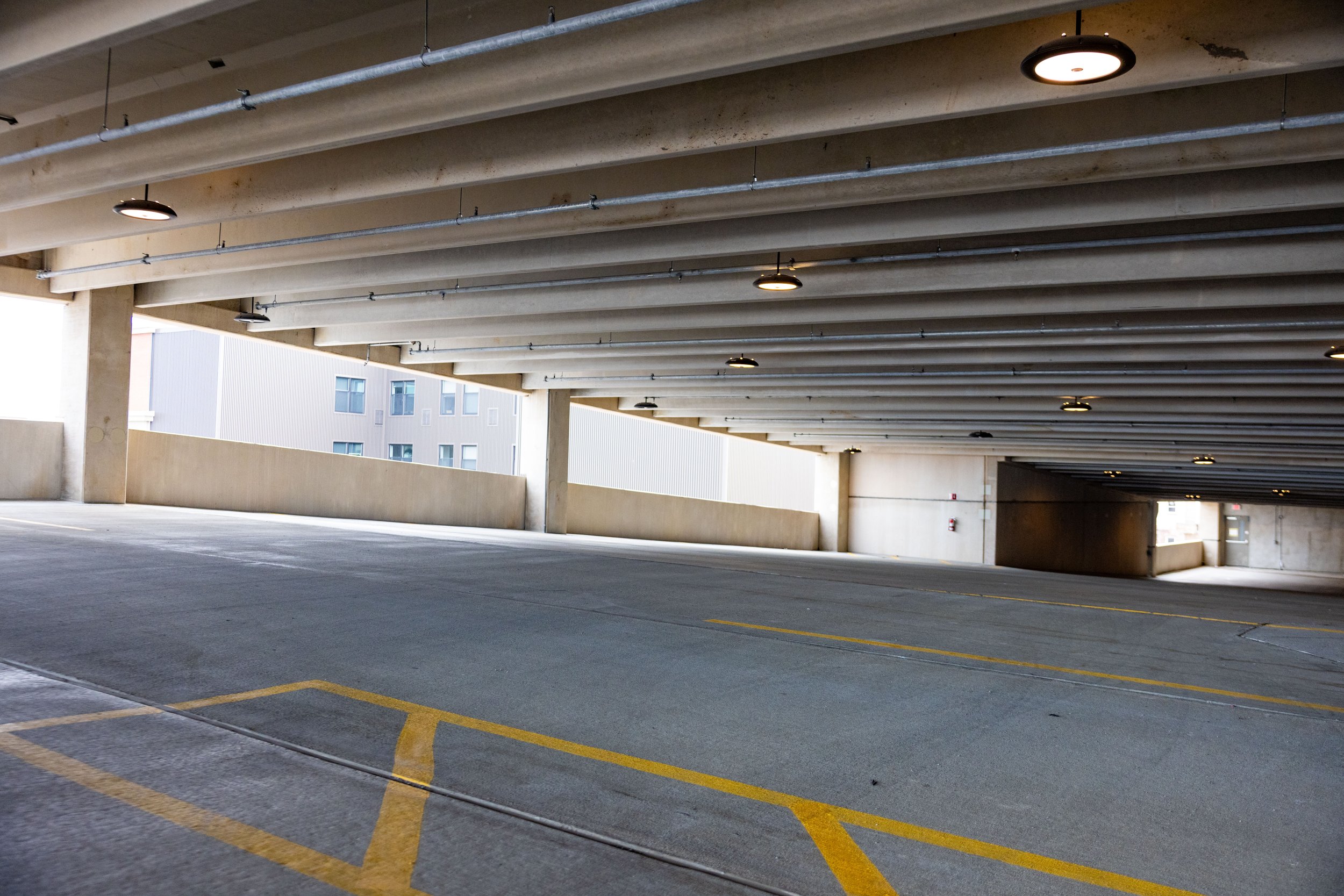
Parking structures are revenue-generating assets in St Petersburg, and their waterproofing program is a capital investment decision with a calculable return. A 500-space monthly-rate structure generating $200/month per space produces $100,000 in monthly revenue. The same structure with a failing deck that needs emergency closure for unplanned structural repair will lose that revenue plus pay 3-5x the cost of a timely waterproofing program for the structural repairs that correct waterproofing would have prevented. The ROI case for planned parking deck waterproofing in St Petersburg is not subtle.
The total cost of ownership for a parking structure in St Petersburg over a 30-year horizon is heavily shaped by the waterproofing program. A structure with a documented, consistently maintained waterproofing program extends its structural life to the full engineered design life — typically 50+ years for reinforced concrete. A structure with deferred waterproofing maintenance begins incurring structural repair costs within 15-20 years as chloride intrusion advances and rebar corrosion initiates. At that point, repair costs are 5-10x the waterproofing program cost, and the question is no longer maintenance vs. repair — it's repair vs. replacement.
Multi-structure parking portfolios in St Petersburg — hospital campuses, hotel chains, downtown mixed-use developers — benefit from a portfolio-level waterproofing program that schedules each structure on an inspection and replacement cycle based on condition, not on a uniform age-based schedule. Some structures age faster due to heavier traffic, more aggressive deicing chemical use, or less favorable drainage geometry. Portfolio condition assessment lets owners prioritize capital spending on the structures closest to failure rather than spreading budget uniformly across the portfolio.
How we keep Parking Structure & Deck Waterproofing practical
Before pricing Parking Structure & Deck Waterproofing, we confirm which roof areas are involved, where water is moving, how crews can access the roof, and which assumptions could change the budget after closer inspection. That keeps the recommendation tied to the building instead of a broad square-foot number.
For St Petersburg commercial properties, we also separate immediate stabilization from long-term planning. Temporary dry-in, targeted repair, maintenance, coating, recover, and replacement can all be valid, but they should not be blended into one vague scope.
Parking Structure & Deck Waterproofing properties need roof work that respects the people and operations below the roof. Entrances, parking, loading, patient areas, tenants, guests, inventory, mechanical systems, and security procedures can all affect the work plan before materials are ordered.
Access is reviewed early because it can change the whole project. Downtown buildings, waterfront hospitality properties, medical campuses, retail centers, warehouses, and multifamily buildings each create different rules for staging, crane or lift use, parking, tenant notifications, odor control, safety zones, and after-hours work.
Weather is treated as a project constraint, not background information. Summer rain, wind-driven storms, tropical systems, salt-air exposure, humidity, and fast-changing forecasts affect how much roof can be opened, how materials are stored, and when temporary protection has to be installed before the next work step.
Budget conversations stay more useful when the drivers are named. Wet insulation, deck repair, tapered insulation, drains, scuppers, coping, wall flashing, rooftop equipment, fall protection, material staging, disposal, and occupied-building sequencing can change cost and timing more than the roof label itself.
Field review also has to respect what the roof is connected to. Rooftop units, condensate lines, exhaust fans, grease containment, skylights, solar equipment, tenant penetrations, parapet walls, expansion joints, and older repair patches can all change where water travels and where a permanent repair has to land.
Drainage gets special attention in this market. Scuppers, primary drains, overflow paths, gutters, downspouts, tapered insulation, and ponding areas are reviewed because short, intense rainfall can expose a weak drainage design even when the membrane surface looks intact during dry weather.
Material decisions are checked against the existing assembly. A coating candidate, recover option, single-ply replacement, modified bitumen repair, metal edge correction, or foam restoration all require different assumptions about adhesion, moisture, attachment, slope, roof traffic, and future service access.
Scheduling is part of the technical scope. A roof plan that ignores loading access, tenant entrances, parking, material deliveries, noise, odor, security, and business hours can look acceptable on paper while creating unnecessary disruption once crews arrive. We keep those constraints visible before the work starts.
Communication stays practical during the work. Property managers, facility teams, tenants, and ownership need to know what area is being addressed, when roof access is required, what was found, what is complete, and what remains open for follow-up after the current weather window or repair phase.
The roof record also calls out unknowns, because hidden moisture, concealed deck damage, blocked drains, and undocumented prior repairs can change the correct next step.
Finally, the recommendation is written so the next decision is obvious: stabilize, repair, maintain, restore, recover, replace, or monitor with a defined follow-up window. That keeps ownership from paying for vague roof advice.
The closeout record matters after the work is done. We keep notes, photo locations, access constraints, completed repair areas, and remaining risk items connected to the roof area so owners can use the file for follow-up maintenance, budget planning, tenant communication, procurement review, or the next capital cycle.
Parking Structure Waterproofing — ROI Questions
What is the cost comparison between timely waterproofing and emergency structural repair?
Traffic-bearing membrane replacement on a standard parking deck in St Petersburg typically runs $15-25 per square foot depending on system selection and concrete condition. Structural deck repair after chloride-induced rebar corrosion — removing delaminated concrete, treating corroded rebar, and replacing concrete — runs $80-150 per square foot in the affected areas. A deck where 20% of the area requires structural repair before waterproofing can cost more to repair than it would have cost to re-waterproof the entire deck on schedule 5 years earlier.
How do you assess a parking structure's remaining service life?
Remaining service life assessment combines visual condition mapping, delamination sounding, core sample analysis for chloride content and carbonation depth, and a structural engineering review of any sections with visible rebar corrosion or spalling. The assessment produces a condition rating for each deck level and a projected failure timeline for sections approaching critical chloride threshold. That timeline drives the capital program schedule — not the year the last waterproofing was done.
What is the revenue impact of an emergency parking structure closure?
Emergency closures — whether for structural failure, waterproofing membrane blow-off, or standing water safety hazards — result in immediate revenue loss for the structure's users (parkers go elsewhere and may not return), operational cost for the facility owner (temporary parking arrangements, emergency contractor mobilization), and reputational damage in markets where the parking structure serves a branded facility. A hospital that closes its main parking deck for emergency repair faces patient and visitor access disruption that creates reputational consequences far beyond the repair cost.
How do you structure a multi-year waterproofing capital program?
We start with a portfolio condition assessment across all structures in the ownership group. Each structure receives a condition score and a projected replacement year for each deck level. The capital program is built from those projections, prioritizing the highest-urgency sections and spreading investment to match the owner's annual capital budget capacity. For structures where multiple levels are approaching critical condition simultaneously, we develop an accelerated phasing option that reduces total program duration at higher annual cost.
Does a parking structure waterproofing program affect property insurance premiums?
Many commercial property insurers offer premium reductions for properties with documented capital maintenance programs that demonstrate proactive management of structural risk. A parking structure with a current waterproofing warranty, annual inspection records, and a documented capital program is a materially lower structural risk than one without. We recommend presenting the maintenance program documentation to your property insurer at renewal — the savings may partially offset the annual maintenance cost.
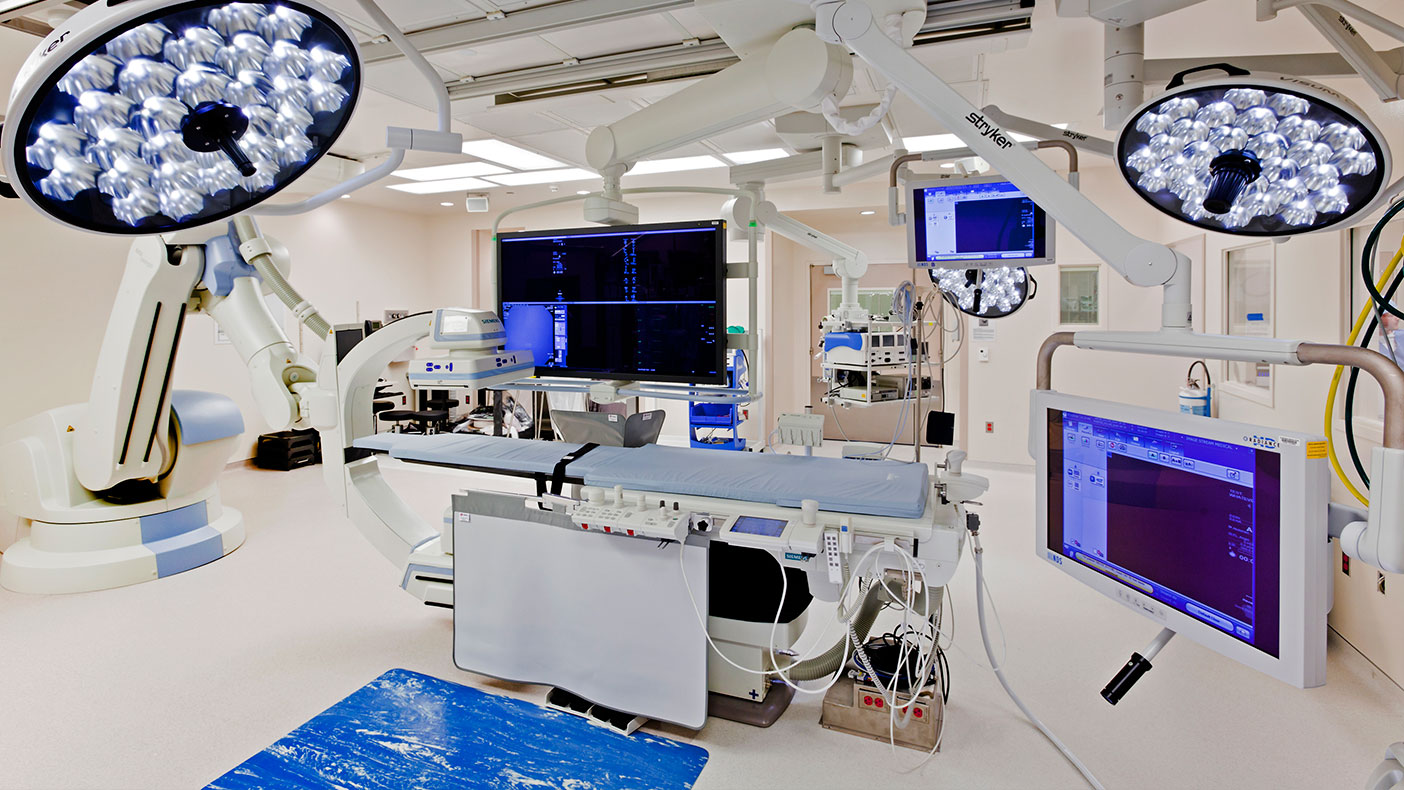 Hotel and Hospitality Roofing
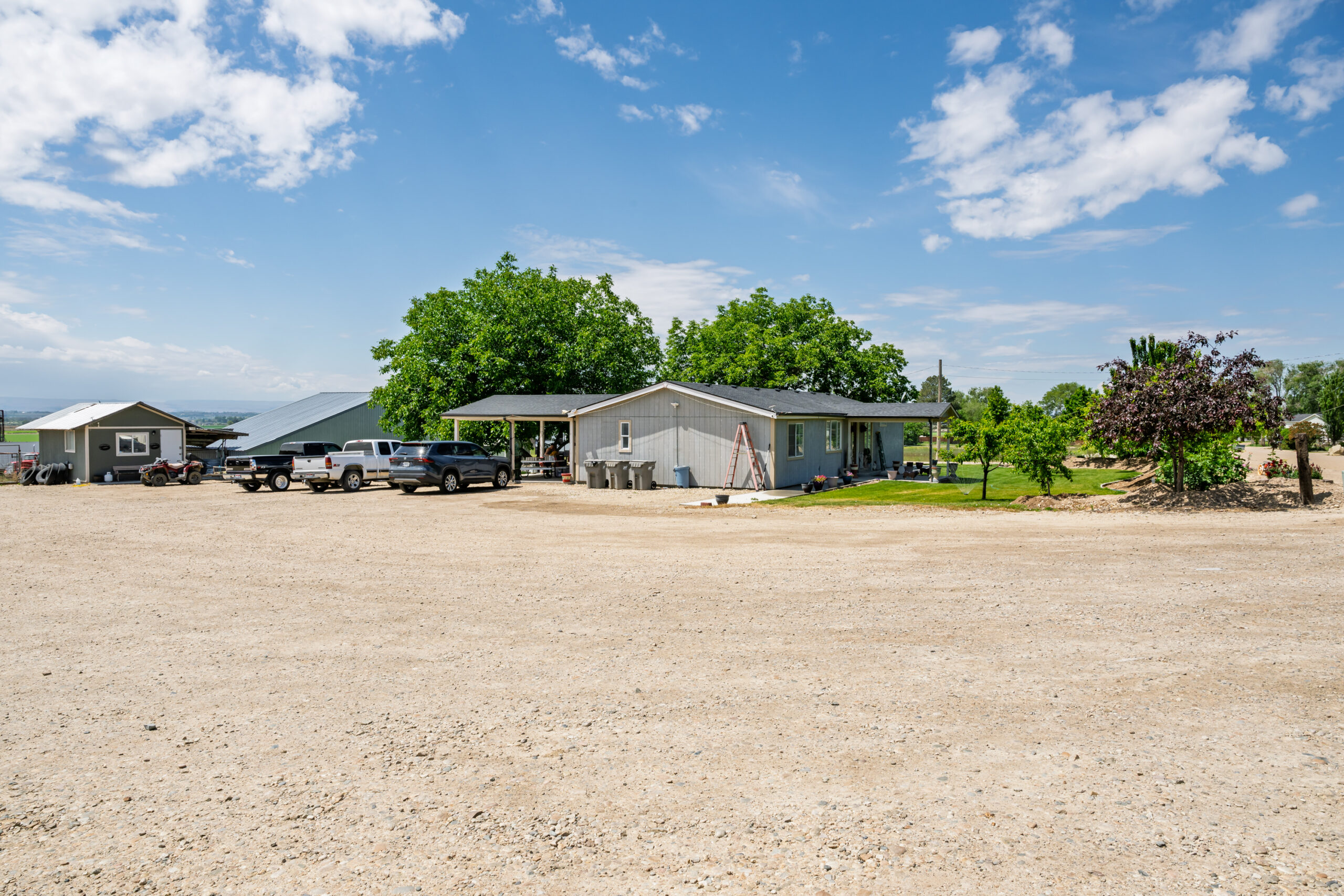 Multi-Tenant Retail Strip Roofing
 Warehouse Roofing
 Medical Office Building Roofing
 Commercial Roof Repair in St. Petersburg | Planned & Emergency
 Commercial Re-Roofing