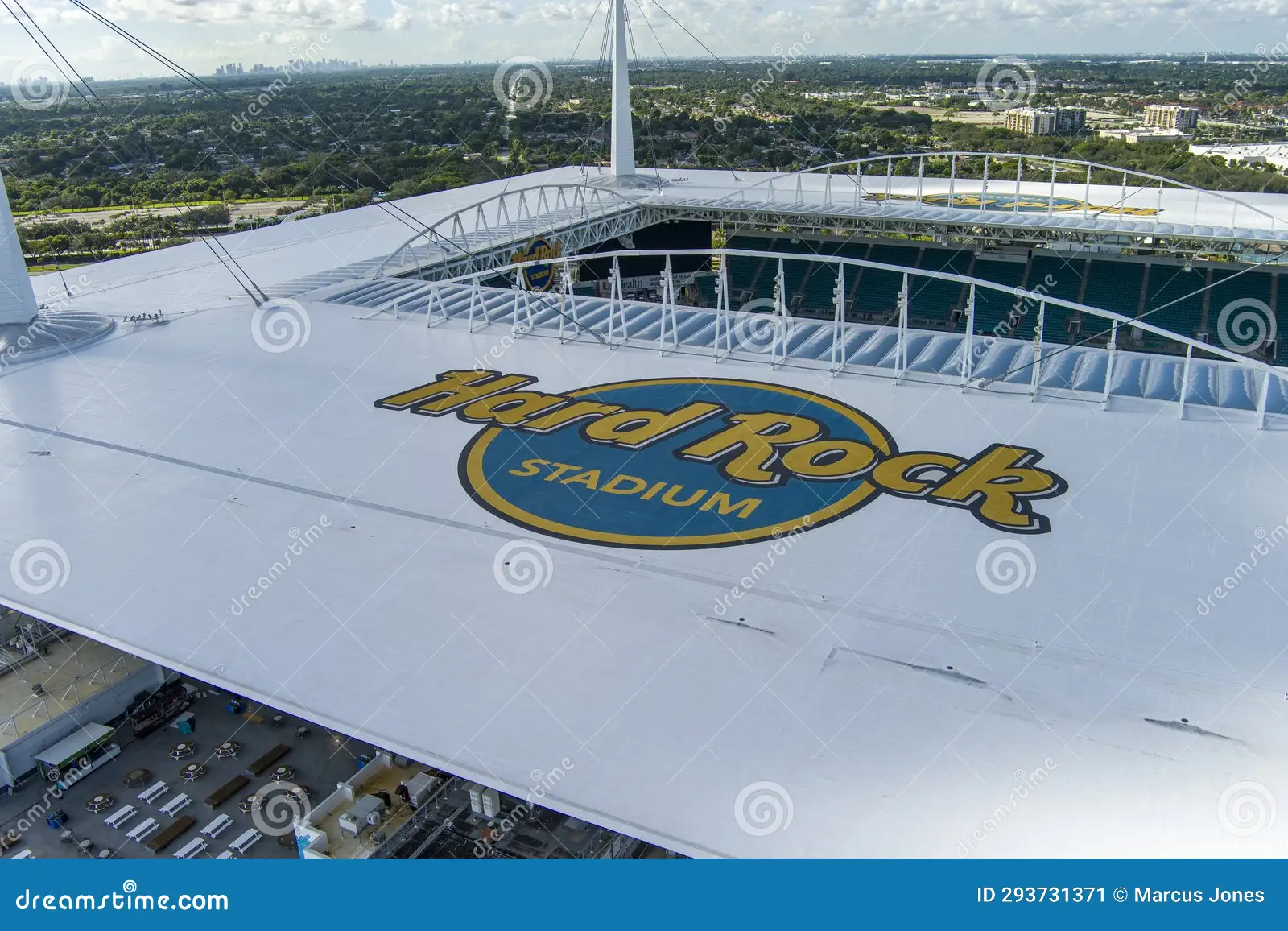
Stadium and arena roofing in St Petersburg begins with one question before anything else: when can you work? A facility with a professional sports anchor tenant, a concert booking calendar, and graduation season commitments may have fewer confirmed dark windows per year than a contractor can count on both hands. We audit the full booking calendar before we write a single line of scope. The phased work plan is built to the calendar — not submitted to the facility after the proposal is signed and then negotiated backward into something that works.
Each phase of a stadium re-roofing project in St Petersburg is designed to reach a hard weather-protection milestone before the next event window opens. That milestone isn't "substantially complete" — it means fully watertight membrane, all seam laps sealed, all drain terminations completed, and all temporary protection removed. Our contracts include event-protection milestones as schedule checkpoints with defined crew-addition triggers if a phase is running behind. We don't ask for extensions when an event is on the calendar.
The supporting structures on a stadium campus — press boxes, broadcast areas, concourse roofs, dugout and tunnel covers, suite-level roofs, and loading dock canopies — each carry different structural characteristics and different operational sensitivities than the main roof. Press box roofs interface with broadcast cable penetrations and climate-controlled production areas. Concourse roofs shelter public circulation routes that may remain active even when the main bowl is dark. We scope each zone individually and sequence their phases to maintain maximum facility functionality throughout construction in St Petersburg.
How we keep Stadium & Arena Roofing practical
Before pricing Stadium & Arena Roofing, we confirm which roof areas are involved, where water is moving, how crews can access the roof, and which assumptions could change the budget after closer inspection. That keeps the recommendation tied to the building instead of a broad square-foot number.
For St Petersburg commercial properties, we also separate immediate stabilization from long-term planning. Temporary dry-in, targeted repair, maintenance, coating, recover, and replacement can all be valid, but they should not be blended into one vague scope.
Stadium & Arena Roofing properties need roof work that respects the people and operations below the roof. Entrances, parking, loading, patient areas, tenants, guests, inventory, mechanical systems, and security procedures can all affect the work plan before materials are ordered.
Access is reviewed early because it can change the whole project. Downtown buildings, waterfront hospitality properties, medical campuses, retail centers, warehouses, and multifamily buildings each create different rules for staging, crane or lift use, parking, tenant notifications, odor control, safety zones, and after-hours work.
Weather is treated as a project constraint, not background information. Summer rain, wind-driven storms, tropical systems, salt-air exposure, humidity, and fast-changing forecasts affect how much roof can be opened, how materials are stored, and when temporary protection has to be installed before the next work step.
Budget conversations stay more useful when the drivers are named. Wet insulation, deck repair, tapered insulation, drains, scuppers, coping, wall flashing, rooftop equipment, fall protection, material staging, disposal, and occupied-building sequencing can change cost and timing more than the roof label itself.
Field review also has to respect what the roof is connected to. Rooftop units, condensate lines, exhaust fans, grease containment, skylights, solar equipment, tenant penetrations, parapet walls, expansion joints, and older repair patches can all change where water travels and where a permanent repair has to land.
Drainage gets special attention in this market. Scuppers, primary drains, overflow paths, gutters, downspouts, tapered insulation, and ponding areas are reviewed because short, intense rainfall can expose a weak drainage design even when the membrane surface looks intact during dry weather.
Material decisions are checked against the existing assembly. A coating candidate, recover option, single-ply replacement, modified bitumen repair, metal edge correction, or foam restoration all require different assumptions about adhesion, moisture, attachment, slope, roof traffic, and future service access.
Scheduling is part of the technical scope. A roof plan that ignores loading access, tenant entrances, parking, material deliveries, noise, odor, security, and business hours can look acceptable on paper while creating unnecessary disruption once crews arrive. We keep those constraints visible before the work starts.
Communication stays practical during the work. Property managers, facility teams, tenants, and ownership need to know what area is being addressed, when roof access is required, what was found, what is complete, and what remains open for follow-up after the current weather window or repair phase.
The roof record also calls out unknowns, because hidden moisture, concealed deck damage, blocked drains, and undocumented prior repairs can change the correct next step.
Finally, the recommendation is written so the next decision is obvious: stabilize, repair, maintain, restore, recover, replace, or monitor with a defined follow-up window. That keeps ownership from paying for vague roof advice.
The closeout record matters after the work is done. We keep notes, photo locations, access constraints, completed repair areas, and remaining risk items connected to the roof area so owners can use the file for follow-up maintenance, budget planning, tenant communication, procurement review, or the next capital cycle.
Stadium & Arena Roofing — Scheduling Questions
How do you build a project schedule around a packed event calendar?
We start with the venue's confirmed booking calendar and identify every available dark window — periods with no events, load-in, or load-out activity. Each phase of work is sized to fit within a confirmed dark window and close out watertight before the next event. If the calendar changes after construction starts, we adjust phasing within our existing resource plan or bring in additional crew to protect the event date.
What happens when a new event is booked after construction starts?
New bookings after contract execution are handled through our change-management protocol — we review the impact on the current phase schedule, adjust crew and material staging to close out the affected section before the event, and document the schedule impact in writing. Events that are reasonably foreseeable at contract time are the venue's responsibility to disclose; surprise bookings that fundamentally change the phasing are addressed through a schedule change order.
Can you accelerate work to hit a deadline that moved up?
Yes. We maintain the ability to add shifts and crews at any phase of a stadium project. When an event date moves up or a weather delay puts a phase at risk, we authorize overtime and weekend shifts before the phase falls behind — not after. The cost of acceleration on a phase is typically far less than the cost of a missed event deadline.
What is an "event-protection milestone" in a roofing contract?
An event-protection milestone is a contract checkpoint — a defined date by which a specific section of the roof must be fully watertight, regardless of other construction conditions. It differs from a standard substantial completion date because it has a harder consequence: if the milestone is missed, we add crew and absorb the cost. The milestone is written into the contract before signing, not added as a verbal commitment.
How does daily closeout work on a stadium roof?
At the end of every work session, all open membrane laps are sealed with temporary cover strips, all debris is removed from the roof surface, and a supervisor walks the entire day's work zone to confirm watertight conditions before the crew leaves. The facility operations contact receives a written daily closeout confirmation. Nothing is left open overnight on a stadium roof.
 Hotel and Hospitality Roofing
 Multi-Tenant Retail Strip Roofing
 Warehouse Roofing
 Medical Office Building Roofing
 Commercial Roof Repair in St. Petersburg | Planned & Emergency
 Commercial Re-Roofing