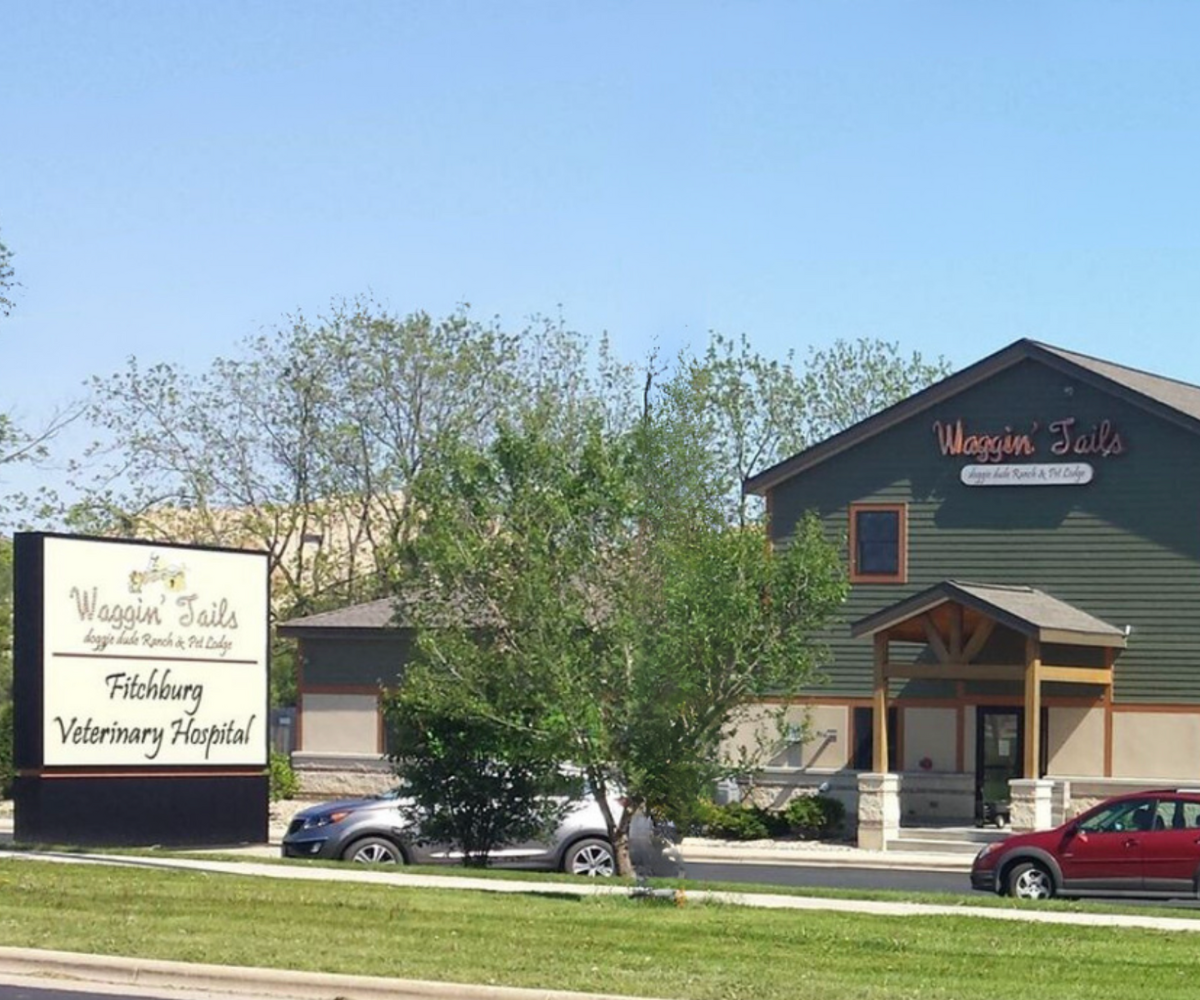
Veterinary clinic and animal hospital roofing in St Petersburg is a specialty because of the operational coordination requirements — not because the building is structurally unusual. Most veterinary facilities are standard commercial construction: light commercial steel or wood frame, flat or low-slope roof, with a denser-than-average penetration count. The specialty is in understanding that animals can't be told to wait, that a surgery can't be paused, and that a boarding wing of anxious dogs isn't an abstraction — it's an operational constraint that shapes every decision in the construction sequence. Ask prospective contractors whether they've worked in occupied veterinary facilities before. The ones who have will know what you're about to ask next.
The practice manager is the most important pre-construction contact on a veterinary facility re-roofing project in St Petersburg — more important than the property owner, because the practice manager controls the operational calendar that governs the construction sequence. A contractor who reaches the pre-construction meeting with the property owner's contact information but not the practice manager's hasn't thought through the project. We schedule a separate pre-construction meeting with the practice manager, walk through the building's daily and weekly rhythm together, and build the phasing plan from that conversation — not from the building floor plan alone.
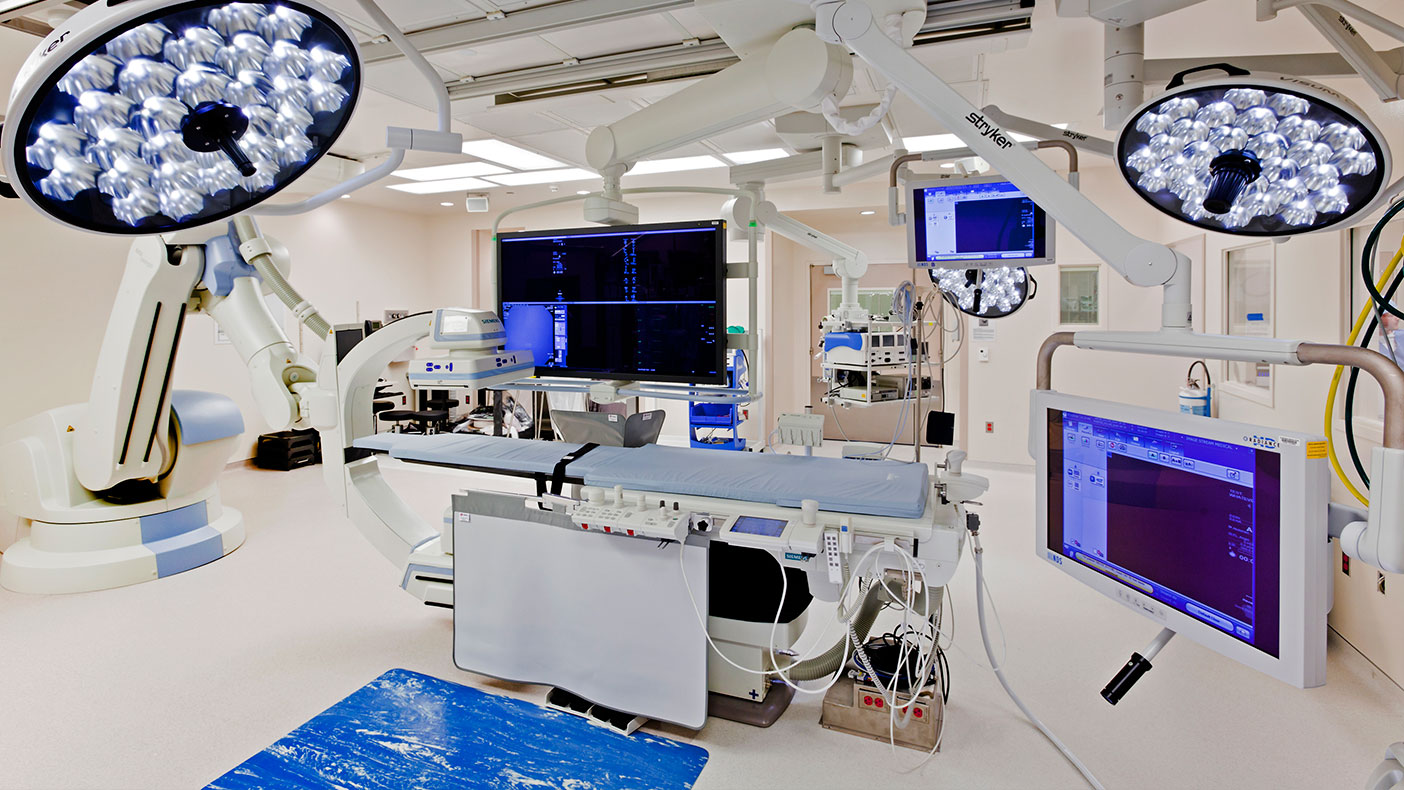
Medical gas and WAG scavenging experience is the technical credential that most distinguishes qualified veterinary facility roofing contractors. These systems are specific to medical and veterinary buildings, and a contractor who hasn't worked around them won't know to ask about WAG stack heights or isolation HVAC exhaust clearances. The consequences of a WAG scavenging exhaust stack that terminates too close to an HVAC intake — chronic low-level anesthetic gas exposure for clinic staff — are serious and not visible during the roofing project. They show up in the staff health program months later. Ask any prospective veterinary facility contractor what they know about WAG scavenging systems before letting them on the roof.
How we keep Veterinary Clinic & Animal Hospital Roofing practical
Before pricing Veterinary Clinic & Animal Hospital Roofing, we confirm which roof areas are involved, where water is moving, how crews can access the roof, and which assumptions could change the budget after closer inspection. That keeps the recommendation tied to the building instead of a broad square-foot number.
For St Petersburg commercial properties, we also separate immediate stabilization from long-term planning. Temporary dry-in, targeted repair, maintenance, coating, recover, and replacement can all be valid, but they should not be blended into one vague scope.
Veterinary Clinic & Animal Hospital Roofing properties need roof work that respects the people and operations below the roof. Entrances, parking, loading, patient areas, tenants, guests, inventory, mechanical systems, and security procedures can all affect the work plan before materials are ordered.
Access is reviewed early because it can change the whole project. Downtown buildings, waterfront hospitality properties, medical campuses, retail centers, warehouses, and multifamily buildings each create different rules for staging, crane or lift use, parking, tenant notifications, odor control, safety zones, and after-hours work.
Weather is treated as a project constraint, not background information. Summer rain, wind-driven storms, tropical systems, salt-air exposure, humidity, and fast-changing forecasts affect how much roof can be opened, how materials are stored, and when temporary protection has to be installed before the next work step.
Budget conversations stay more useful when the drivers are named. Wet insulation, deck repair, tapered insulation, drains, scuppers, coping, wall flashing, rooftop equipment, fall protection, material staging, disposal, and occupied-building sequencing can change cost and timing more than the roof label itself.
Field review also has to respect what the roof is connected to. Rooftop units, condensate lines, exhaust fans, grease containment, skylights, solar equipment, tenant penetrations, parapet walls, expansion joints, and older repair patches can all change where water travels and where a permanent repair has to land.
Drainage gets special attention in this market. Scuppers, primary drains, overflow paths, gutters, downspouts, tapered insulation, and ponding areas are reviewed because short, intense rainfall can expose a weak drainage design even when the membrane surface looks intact during dry weather.
Material decisions are checked against the existing assembly. A coating candidate, recover option, single-ply replacement, modified bitumen repair, metal edge correction, or foam restoration all require different assumptions about adhesion, moisture, attachment, slope, roof traffic, and future service access.
Scheduling is part of the technical scope. A roof plan that ignores loading access, tenant entrances, parking, material deliveries, noise, odor, security, and business hours can look acceptable on paper while creating unnecessary disruption once crews arrive. We keep those constraints visible before the work starts.
Communication stays practical during the work. Property managers, facility teams, tenants, and ownership need to know what area is being addressed, when roof access is required, what was found, what is complete, and what remains open for follow-up after the current weather window or repair phase.
The roof record also calls out unknowns, because hidden moisture, concealed deck damage, blocked drains, and undocumented prior repairs can change the correct next step.
Finally, the recommendation is written so the next decision is obvious: stabilize, repair, maintain, restore, recover, replace, or monitor with a defined follow-up window. That keeps ownership from paying for vague roof advice.
The closeout record matters after the work is done. We keep notes, photo locations, access constraints, completed repair areas, and remaining risk items connected to the roof area so owners can use the file for follow-up maintenance, budget planning, tenant communication, procurement review, or the next capital cycle.
Veterinary Clinic & Animal Hospital Roofing — Contractor Selection Questions
What questions should you ask a veterinary roofing contractor before hiring?
Ask: have you re-roofed a full-service veterinary hospital with a boarding wing and a surgical suite? What was the alarm protocol when an emergency surgery was scheduled in a section where you were working overhead? What do you know about WAG scavenging exhaust stack clearance requirements? Did you coordinate with the practice manager or only the property owner during pre-construction? The answers tell you whether the contractor has worked in a live veterinary facility — or is planning to figure it out on your project.
What should a Veterinary Clinic & Animal Hospital Roofing proposal include?
A complete proposal for a veterinary hospital should include: penetration inventory from the pre-bid inspection including medical gas, WAG scavenging, and isolation HVAC exhaust locations; schedule coordination plan with the practice manager's input; boarding wing noise and vibration protocol; WAG stack clearance assessment with re-roofing height adjustment if required; building occupancy classification and permit strategy; and post-project medical gas clearance confirmation deliverable. A proposal without these elements has not accounted for the veterinary-specific requirements of the project.
How do you verify a contractor's veterinary facility experience?
Ask for references from the last two or three veterinary hospital or animal hospital re-roofing projects the contractor completed. Call the practice manager — not just the property owner. Ask: did the contractor follow the surgical schedule coordination protocol; did any overhead construction activity create a problem for a procedure or for the boarded animals; and did the contractor handle the WAG scavenging and isolation exhaust configurations correctly? Practice managers who have been through this process are candid about what worked and what didn't.
Does the contractor need specialized insurance for a veterinary facility project?
Standard commercial general liability and workers' compensation coverage is sufficient for most veterinary facility roofing projects. For facilities with large exotic or high-value animals — zoological collections, equine hospitals, specialty referral hospitals — property damage liability for animal mortality events may require additional coverage or an endorsement confirming that the GL policy covers property damage claims that include high-value animal losses. We confirm our coverage configuration with the practice owner before contract execution for facilities with high-value animal populations.
What warranty terms are appropriate for a veterinary hospital re-roof?
A 15-20 year NDL manufacturer warranty, registered to the property owner, with semi-annual inspection requirements — same as any commercial building. For veterinary hospitals, we recommend adding a medical gas clearance confirmation to the annual inspection scope: each inspection confirms that WAG stack heights and isolation exhaust clearances remain compliant with the current finished roof elevation. As roofs age, minor settling can affect stack heights relative to the roof surface — catching this during a routine inspection is far preferable to discovering it during an OSHA inspection of the clinic staff's WAG exposure records.
 Hotel and Hospitality Roofing
 Multi-Tenant Retail Strip Roofing
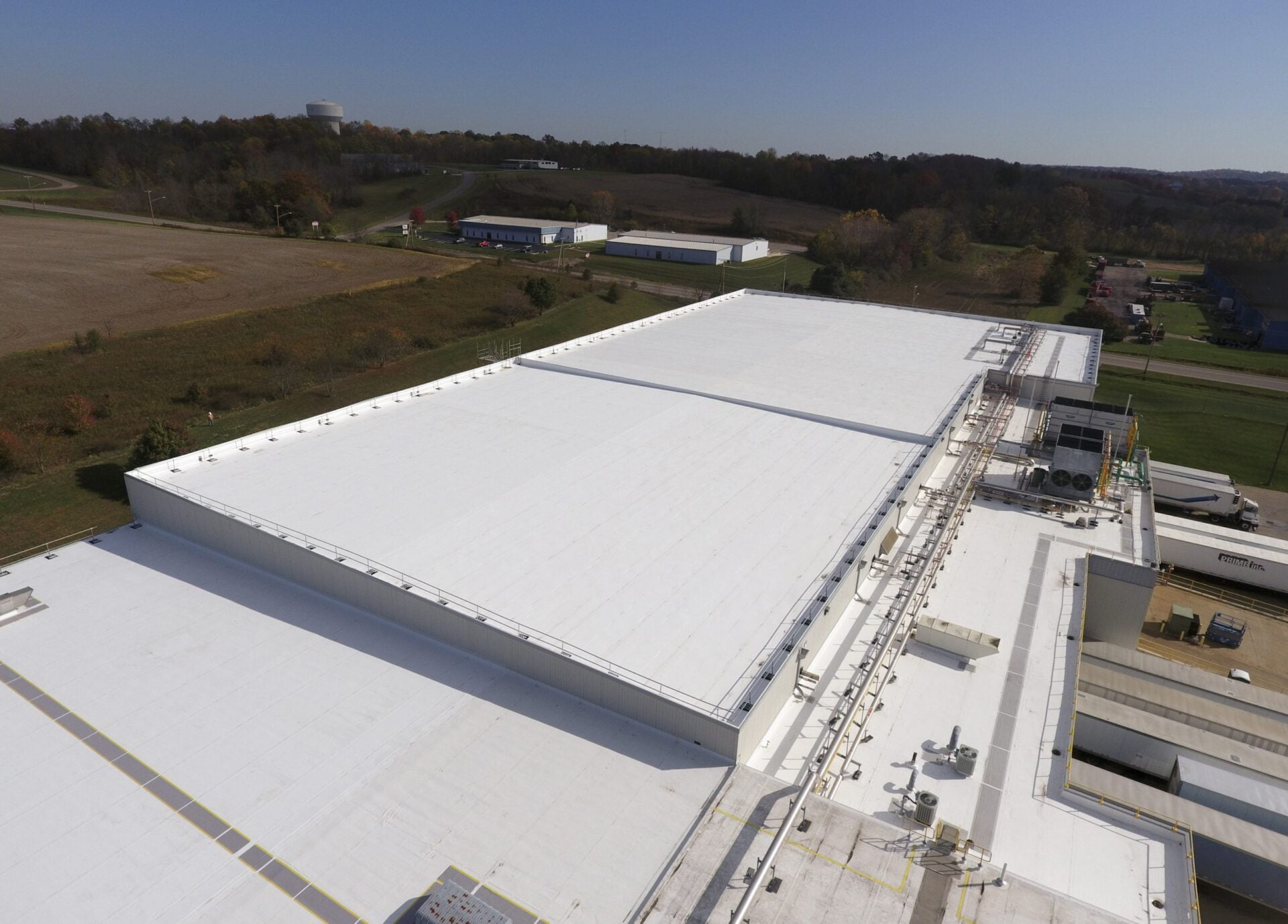 Warehouse Roofing
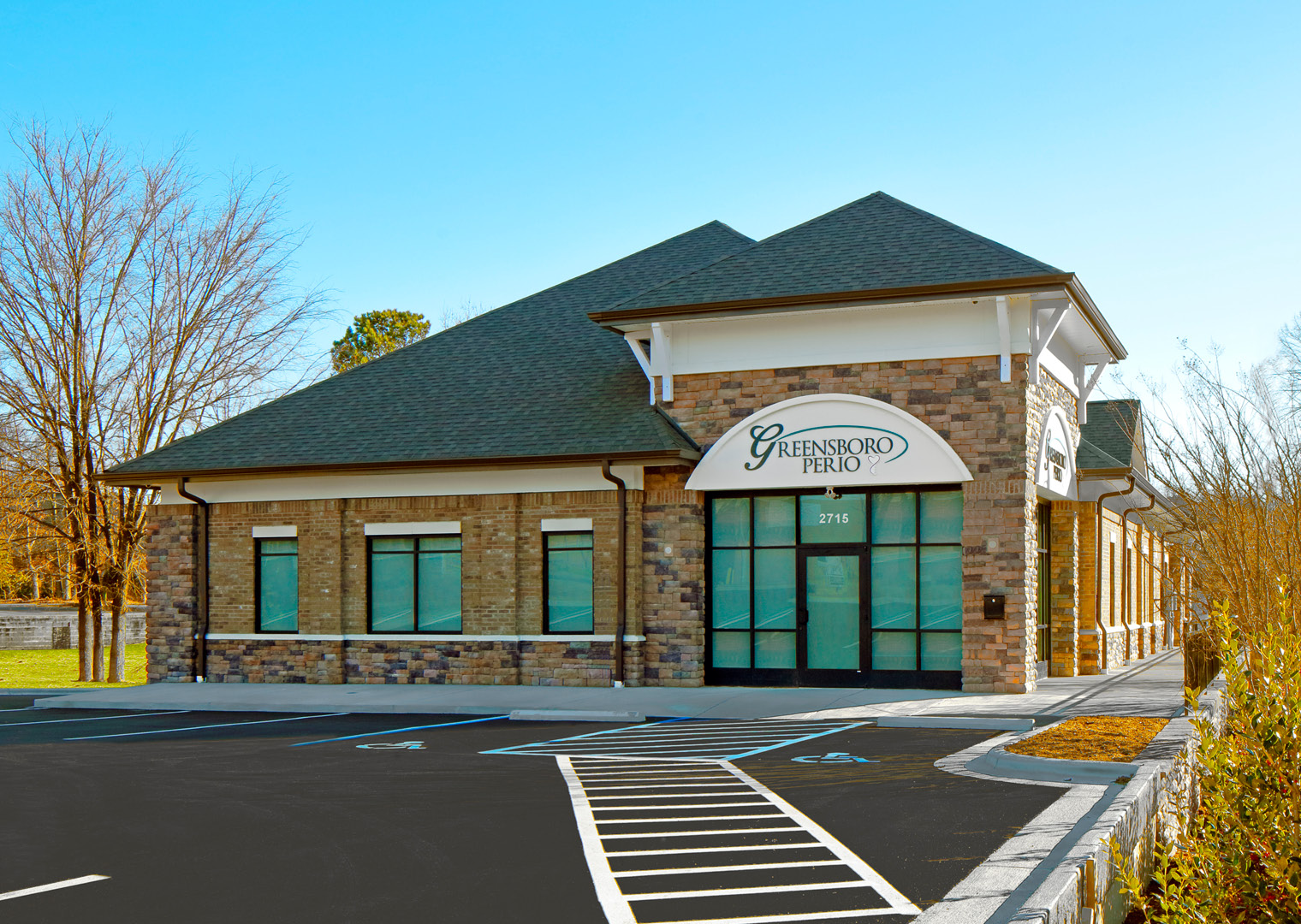 Medical Office Building Roofing
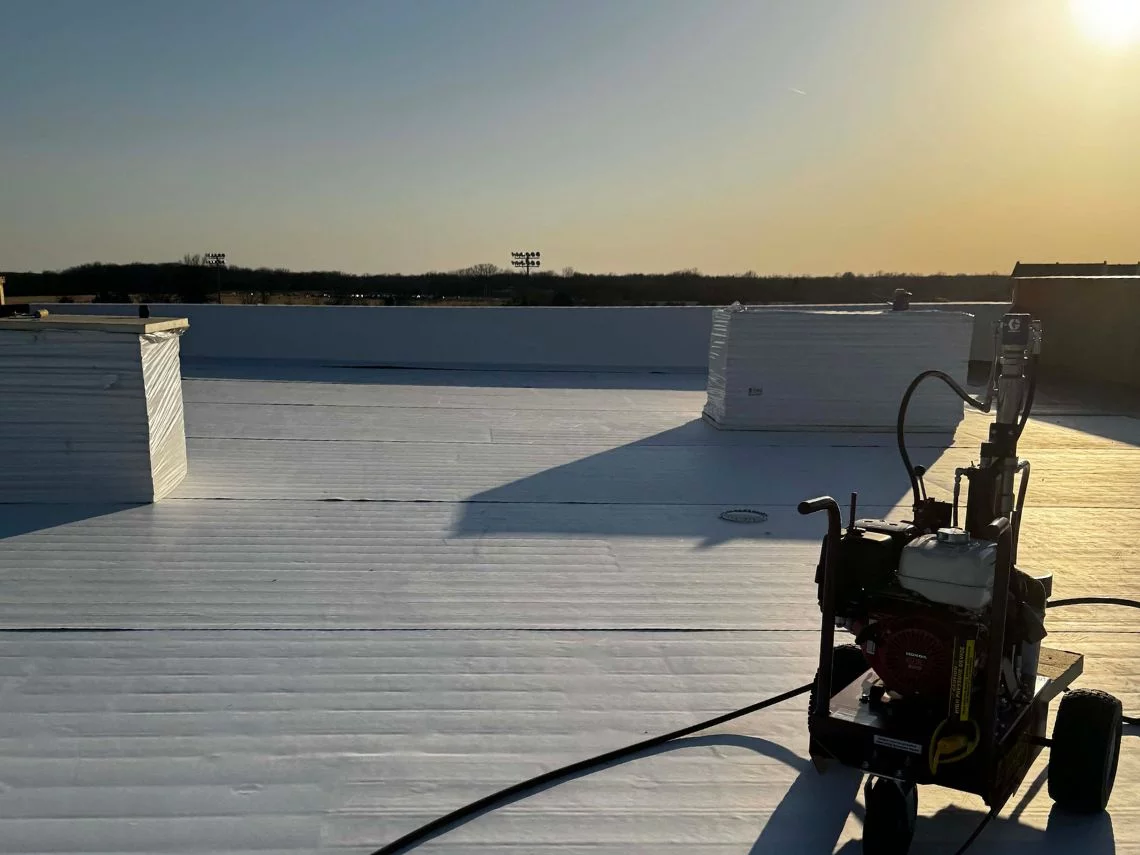 Commercial Roof Repair in St. Petersburg | Planned & Emergency
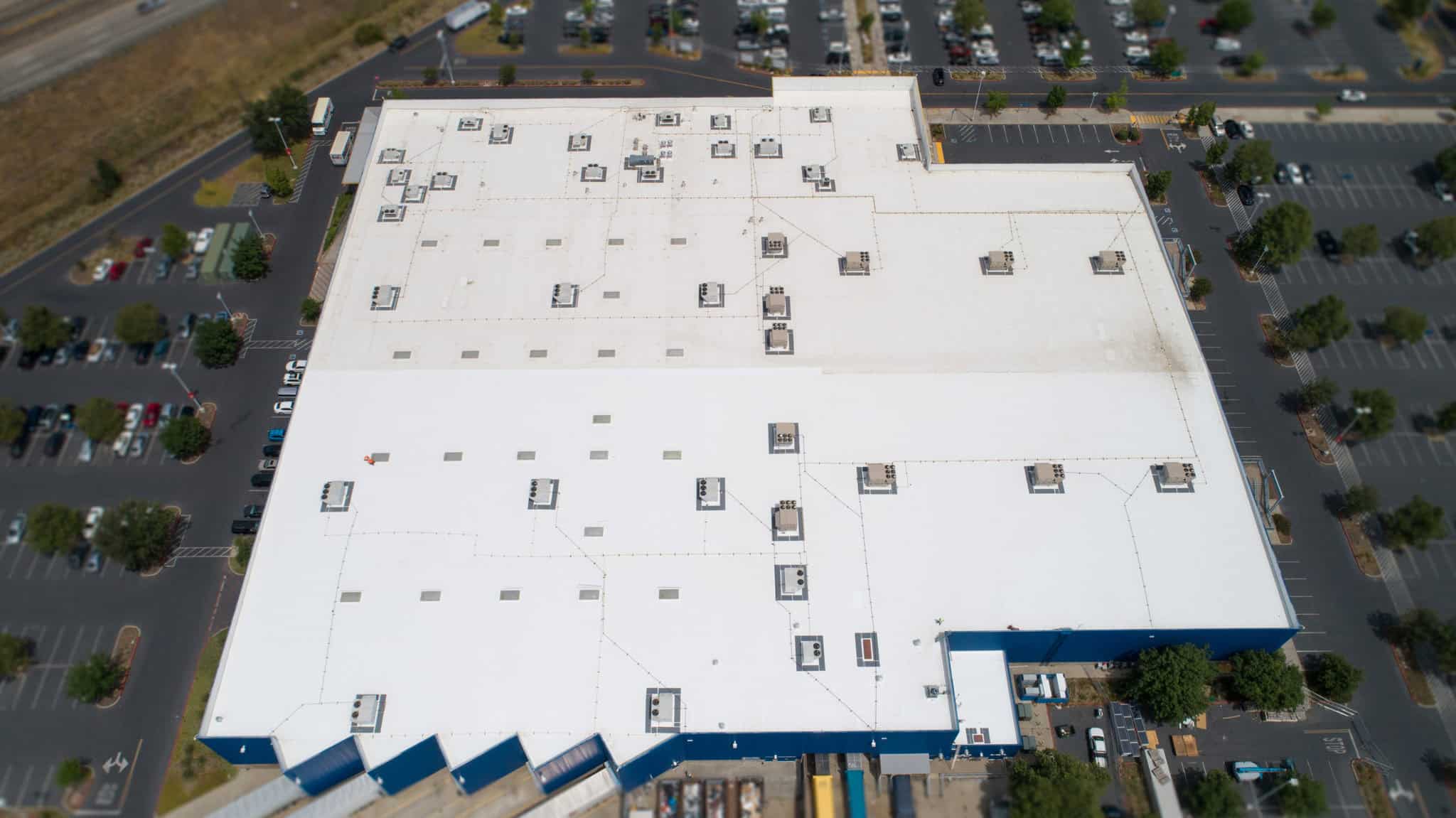 Commercial Re-Roofing