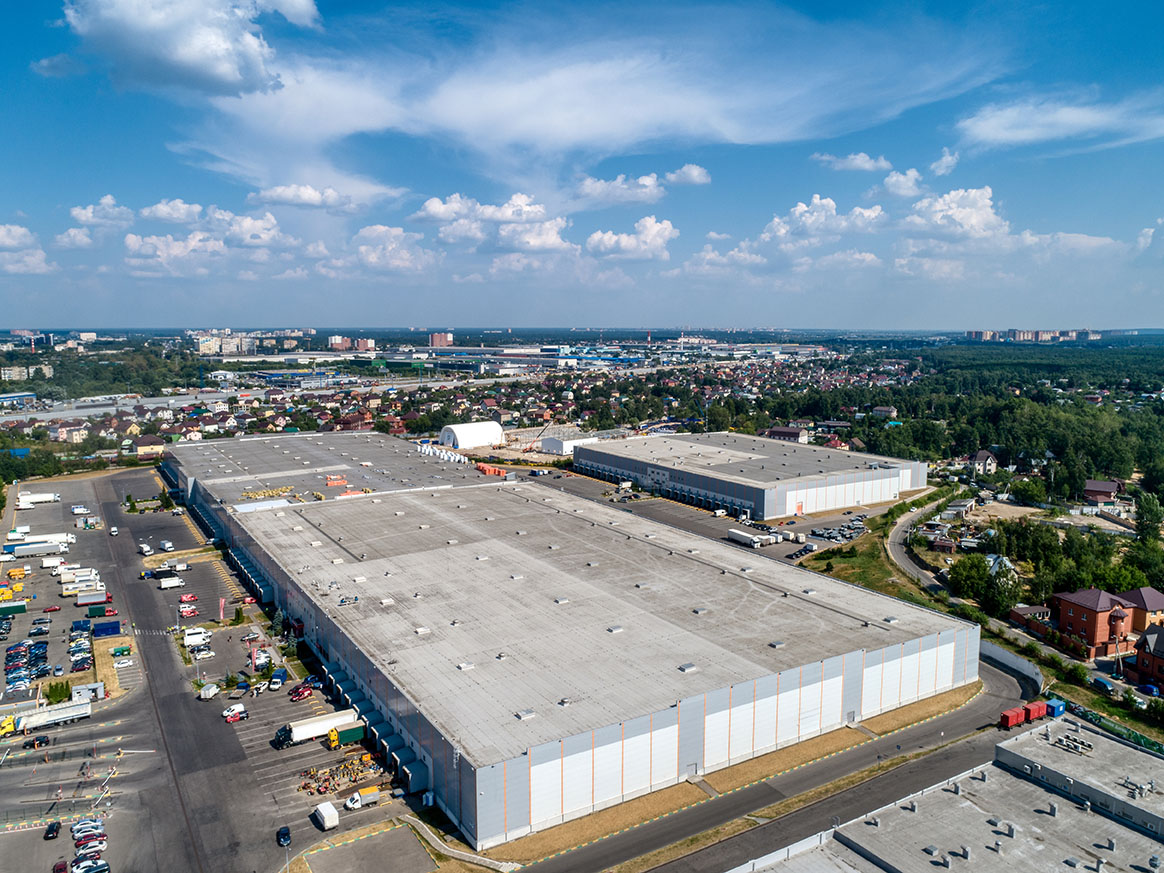
Bill Currie Ford in St. Petersburg is one of the most established automotive dealers on the Pinellas Peninsula, with a longstanding presence serving the Tampa Bay market from a high-traffic location that combines a full new-vehicle showroom, a large pre-owned inventory, and a multi-bay service center. St. Petersburg's position on a Gulf-facing peninsula with exposure to both Tampa Bay and the open Gulf makes it one of the most hurricane-exposed dealership locations in Florida, and roofing decisions here carry both financial and safety consequences that exceed those of most other commercial property types.
Hurricane-rated design for St. Petersburg dealership roofing must address the entire roof assembly — membrane field, insulation attachment, edge metal, skylight framing, and rooftop mechanical anchorage — as an integrated system rather than as individual components. Florida Building Code in Pinellas County requires design wind speeds of 130 miles per hour or higher, and the large open structural bays of automotive showrooms and service centers generate elevated wind uplift loads that require engineering analysis. FM Global uplift testing standards (FM 1-90 minimum, FM 1-105 for larger bays or coastal exposure categories) provide the verified performance baseline that specification engineers use to select appropriate fastener patterns, insulation attachment methods, and membrane systems.
Skylights on St. Petersburg dealership showrooms require impact-resistant glazing or laminated glass under Florida Building Code's windborne debris resistance requirements. The St. Petersburg area falls within the High-Velocity Hurricane Zone requirements that apply to most of Florida's coastal counties, and skylight systems must be tested to current product approval standards. Impact-resistant polycarbonate or laminated glass systems with tested and product-approved framing are the correct specification; standard clear polycarbonate domes without impact resistance are a code violation in this zone and would void any insurance coverage for storm-related skylight damage.
Service department roofing at St. Petersburg dealerships carries the operational loads of a high-volume service operation — exhaust penetrations, compressed air, rooftop HVAC — in a climate that demands hurricane-resistant anchorage for every rooftop component. The Gulf of Mexico's warm waters energize tropical systems that pass through the area, and the Pinellas Peninsula's low elevation and exposure to Tampa Bay storm surge amplification make a direct hurricane hit a planning scenario, not a remote possibility. Every rooftop HVAC unit and exhaust fan must be anchored with hurricane-rated curbs certified to Florida's design wind speeds, because a unit that dislodges during a storm immediately creates a large opening that leads to catastrophic interior flooding.
Occupied dealership operations during a St. Petersburg re-roofing project require the same careful phasing as any Florida coastal retail facility, with the additional sensitivity that vehicle inventory on the lot and inside the showroom represents significant asset value. Roofing contractors must stage material handling, tear-off debris containment, and daily close-out procedures to prevent any exposure of vehicle inventory to construction debris or precipitation. The Florida sun's intensity during winter working months — St. Petersburg's dry-season roofing window of November through April — means that contractors can maintain high daily production rates with predictable weather, making phased sequencing across multiple buildings efficient and manageable.
Pinellas County's salt-air environment accelerates corrosion of rooftop metal components. All edge metal, coping, equipment curbs, and penetration flashing components should be specified in aluminum or stainless steel rather than galvanized steel. Standard galvanized fasteners and hardware will show surface rust within one to two years in Pinellas County's salt-air coastal environment, and the rust staining that flows from corroding hardware onto white TPO membrane surfaces creates both aesthetic and maintenance documentation problems. Stainless steel or hot-dipped galvanized fasteners with polymer coating are the correct specification for all rooftop anchoring hardware in this coastal environment.
Florida's licensed Certified Roofing Contractor requirement applies fully to St. Petersburg dealership roofing projects. The contractor must hold a valid Florida state license, and the permit application must include the contractor's license number. Pinellas County's building department verifies contractor licensure at permit application and may require proof of insurance coverage meeting state minimums before issuing the permit. Dealership owners who hire unlicensed contractors — sometimes attracted by lower bids — risk void manufacturer warranties, insurance claim denials, and enforcement actions from the Florida DBPR.
Re-roofing large St. Petersburg dealership campuses should be planned during the November through April dry season, with a hard completion target of May 15 before hurricane season begins. The combination of dry weather, warm (but not extreme) temperatures, and predictable daily patterns in St. Petersburg's winter months makes this the most productive and lowest-risk window for automotive retail re-roofing. Projects that slip past May 15 should suspend any further open-tear-off work until November unless a specific waiver of the policy is approved by the dealer principal and fully discussed with the roofing contractor's weather preparedness protocols.
Preventive maintenance for St. Petersburg dealership roofs must include pre-hurricane-season inspection by May 1 each year, with specific focus on edge metal fastening, skylight impact glazing condition, and the hurricane-rated anchorage of all rooftop mechanical equipment. Post-season inspection in December should document any damage from the storm season and prioritize repairs before the winter re-roofing season begins. Annual cleaning of salt deposits from metal components and biocide treatment of membrane sections near organic-debris sources rounds out a maintenance program appropriate for this high-risk coastal market.
- What impact resistance is required for skylights on St. Petersburg dealership showrooms?
- Pinellas County falls within Florida Building Code's High-Velocity Hurricane Zone requirements, which mandate product-approved impact-resistant polycarbonate or laminated glass skylight systems. Standard non-impact polycarbonate domes are a code violation in this zone.
- Why must rooftop HVAC units on St. Petersburg dealerships be hurricane-rated?
- A rooftop unit that dislodges during a hurricane immediately creates a large roof opening. In a storm that is already delivering wind-driven rain at high velocity, the interior flooding that results can cause catastrophic damage to vehicle inventory, showroom finishes, and service equipment.
- What metal specifications should be used for rooftop components in St. Petersburg's salt-air environment?
- Aluminum or stainless steel for edge metal and coping, stainless steel or polymer-coated hot-dipped galvanized fasteners for all anchoring hardware. Standard galvanized materials show rust within one to two years in Pinellas County's coastal environment.
- When is the best time to re-roof a St. Petersburg auto dealership?
- November through April, with a hard target of completing all work by May 15 before hurricane season. St. Petersburg's winter months offer predictable dry weather, warm temperatures, and manageable daily production rates without the storm risk of summer.
- What are the consequences of using an unlicensed roofing contractor on a St. Petersburg dealership?
- Manufacturer warranties are voided, insurance claims for storm damage may be denied, and the dealer may face enforcement action from the Florida DBPR. The permit itself may not be issued, and work performed without a permit may require removal and replacement.
 Commercial Roof Repair in St. Petersburg | Planned & Emergency
 Commercial Re-Roofing
 Occupied Building Re-Roofing
 Roof Recover and Overlay