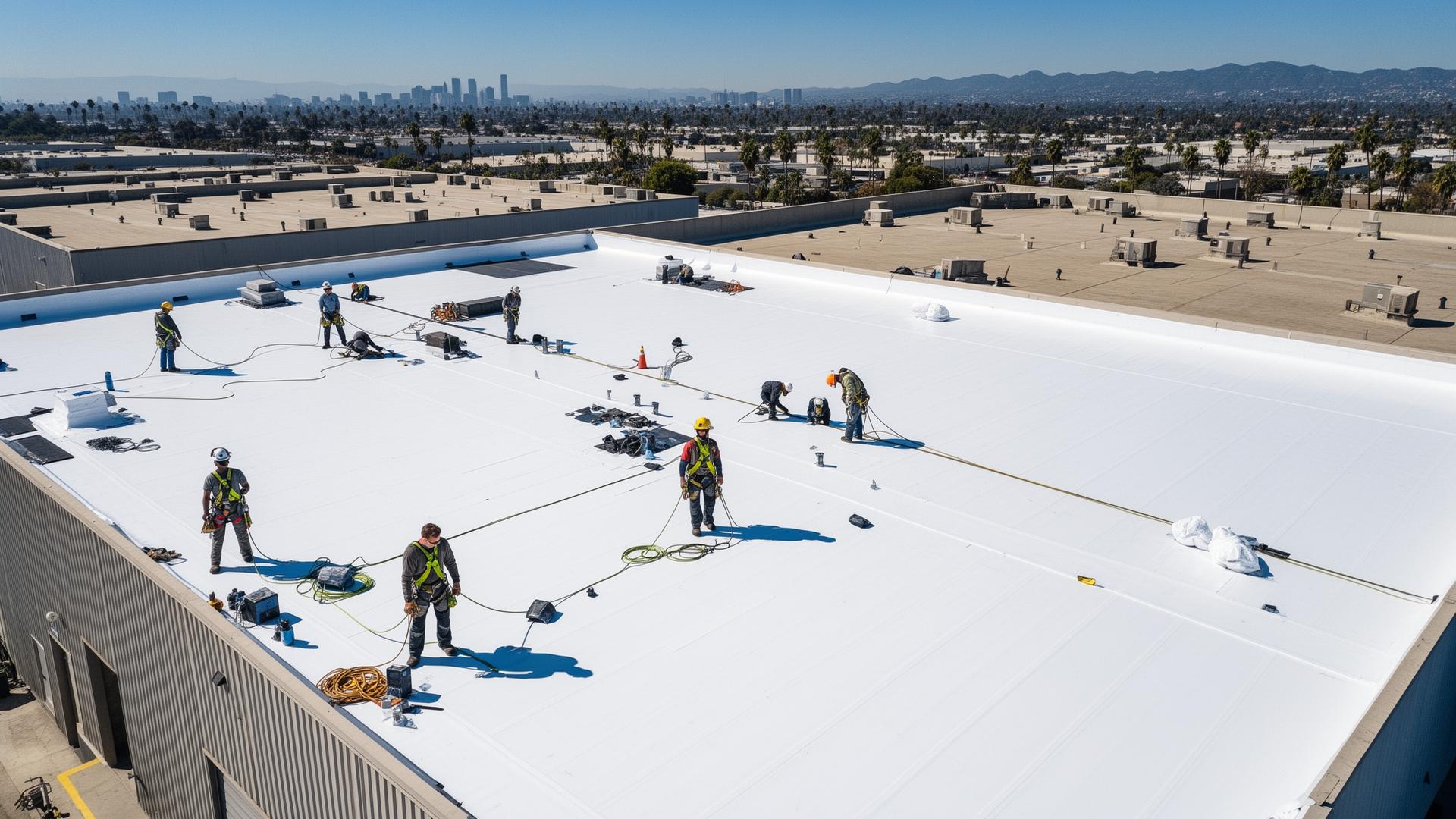
Commercial Roofing in St. Petersburg, Florida operates in one of the most demanding environments in North America. This city sits on a low-elevation peninsula wedged between Tampa Bay to the east and the Gulf of Mexico to the west, placing every commercial building within salt-air range of two significant water bodies and in the direct path of Atlantic hurricane tracks that have repeatedly tested Pinellas County's built environment. The Commercial Roofing decisions made here — what membrane system to specify, how to detail penetrations, what metal components to use, when to repair versus replace — carry consequences that building owners in most US markets never have to consider.
The climate profile is the starting point for every decision. St. Petersburg averages 53.62 inches of annual rainfall, nearly all of it falling in the June-through-September wet season when afternoon convective storms build over the warm Gulf and Bay waters and deliver intense, short-duration events that can exceed two inches per hour at peak intensity. That rainfall load on a flat commercial roof is not an edge case — it is a routine design condition. Drain sizing, membrane ponding resistance, and flashing integrity all face real-world stress tests multiple times per week during wet season. A roofing system that performs adequately in Atlanta or even Orlando may fail in St. Pete simply because those markets do not deliver the same sustained high-intensity rainfall event frequency.
Hurricane season runs June 1 through November 30, and Pinellas County has experienced direct impacts and serious near-miss events in recent years. Hurricane Irma (2017), Ian (2022), and Idalia (2023) all affected the Tampa Bay region in ways that shaped how commercial building owners here think about roofing. Wind uplift resistance, missile impact resistance from airborne debris, and the ability to maintain weathertightness under hours of sustained wind-driven rain are not theoretical code minimums in this market — they are performance requirements that get tested. We design every installation to current Florida Building Code wind-load requirements for Pinellas County, which are among the highest in the continental United States.
Salt air from both the Bay and Gulf sides of the peninsula creates a corrosion environment that accelerates metal component degradation faster than anywhere in inland Florida. Aluminum edge metal, galvanized steel coping caps, pipe flashing collars, and HVAC curb frames all corrode faster within a few miles of salt water. On barrier island properties in St. Pete Beach, Treasure Island, Tierra Verde, and the other Gulf-side communities, salt exposure is aggressive enough to require specification of either coated aluminum systems or stainless steel components at every termination detail. Saving money on component specification at a waterfront hotel or marina building usually means repairing those components within five years instead of fifteen.
The commercial building stock in Pinellas County is diverse in age and type, and different segments have different roofing needs. Downtown St. Petersburg's historic masonry commercial buildings along Central Avenue and Beach Drive carry older built-up or modified bitumen systems that require recovery or replacement decisions informed by structural assessments as well as membrane condition. Gateway area and Ulmerton Road corridor warehouses and light-industrial buildings typically have metal R-panel or TPO single-ply systems on steel decks — properties that benefit from the straightforward access and scale economics of efficient commercial membrane work. Carillon Business Park's mid-rise office buildings have more complex rooftop equipment environments that require detailed penetration work. Barrier island hospitality properties have the most demanding combination of exposure, aesthetics, and operational constraints of any segment we serve.
Medical and institutional facilities — Johns Hopkins All Children's Hospital, Bayfront Health St. Petersburg, USF St. Petersburg, and the Bay Pines VA Healthcare System — represent a specialized category within St. Pete Commercial Roofing. These buildings require roofing work sequenced around 24/7 operations, with documented procedures for dust, noise, odor, and temporary waterproofing during open sections. The stakes for any active-leak or waterproofing failure on a hospital campus or occupied medical building are substantially higher than for a retail or warehouse building, and our approach to planning and execution on those projects reflects that difference.
New construction in St. Petersburg — particularly the active development around the Tropicana Field / Historic Gas Plant District redevelopment, the Innovation District, and the continuing infill along the Central Avenue corridor — defaults to TPO single-ply or standing seam metal based on building type and architectural program. Specifying a roofing system for new construction in this market requires FBC-compliant wind-uplift design from the outset, not as an afterthought. The insulation attachment, membrane fastening pattern, and edge metal securement all contribute to a total system uplift resistance that must be documented and submitted as part of the building permit package.
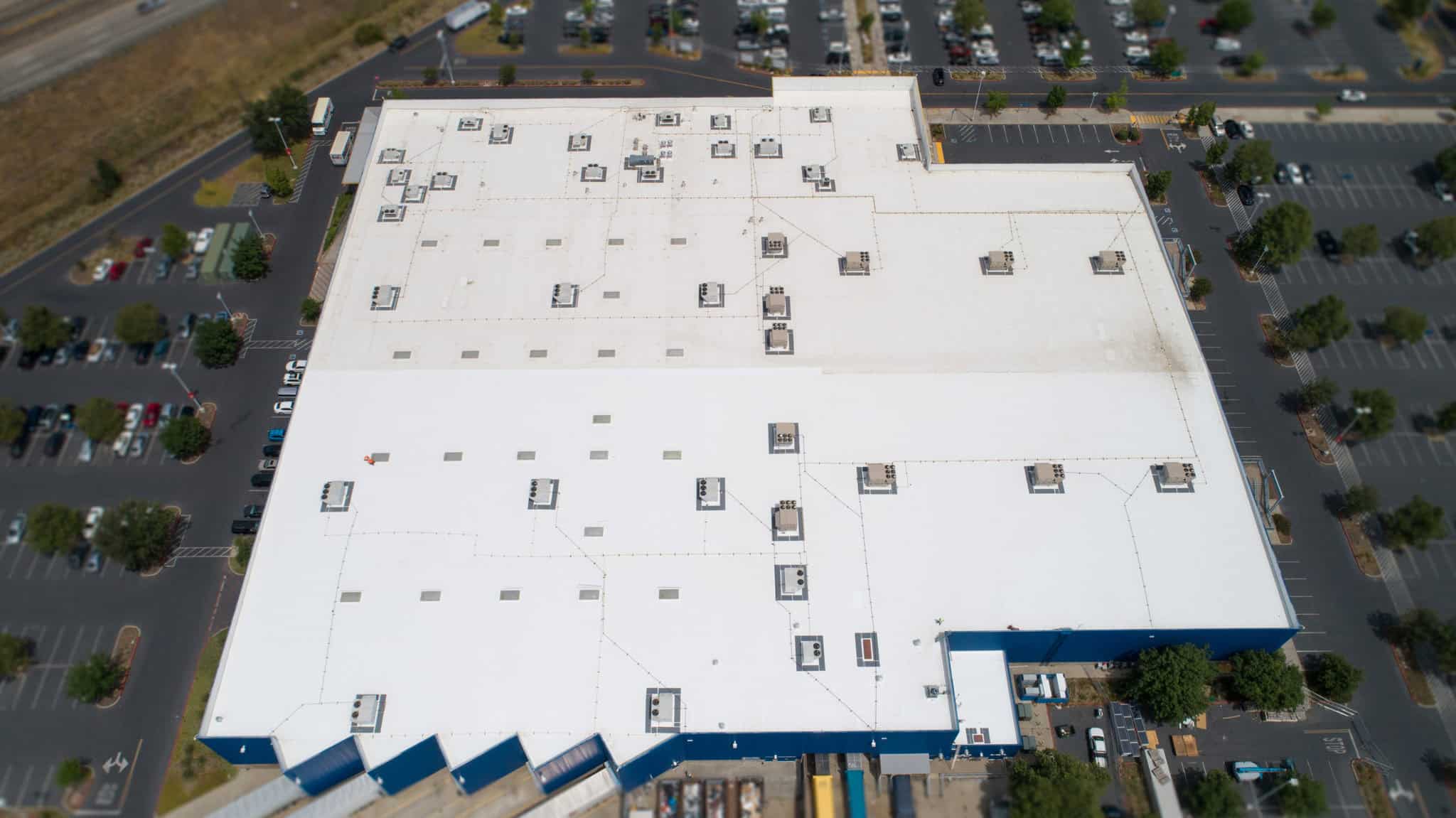
Energy performance is a legitimate decision driver in this market in a way it is not in most US cities. St. Petersburg has essentially no heating season — the annual mean temperature is 73.9°F, and the city's energy cost profile is dominated by cooling loads from May through October. White or light-colored reflective membranes (TPO, silicone coatings, PVC) meaningfully reduce rooftop solar absorption and the resulting cooling load on commercial HVAC systems. Duke Energy Florida and TECO rate structures make that cooling-load reduction translate directly to operating cost savings that factor into the total-cost-of-ownership comparison between reflective and darker membrane options.
We serve commercial property owners, asset managers, and facilities directors throughout Pinellas County — from downtown St. Pete and the barrier island communities to Largo, Clearwater, Safety Harbor, and the Ulmerton Road and Gateway commercial corridors. Our focus is on roofing systems that perform in this specific climate, not systems transplanted from continental US markets without adjustment for Florida's subtropical exposure, salt air, and hurricane risk profile.
Questions Owners Ask
What roofing system is most commonly specified for new commercial construction in Pinellas County today?
White TPO single-ply membrane is the dominant choice for new flat and low-slope commercial construction in Pinellas County, driven by its combination of energy performance, FBC-compliant wind-uplift attachment options, weldable seams, and competitive installed cost. Standing seam metal roofing is common for sloped-roof commercial buildings in the Gateway area and Carillon Business Park. PVC is specified in locations with chemical exposure from restaurant exhaust or food processing. SPF with silicone topcoat is used on complex rooflines in mixed-use and historic renovation projects.
How does St. Petersburg's hurricane risk affect my roofing specification choices?
Hurricane exposure drives three specification decisions: wind-uplift resistance of the attachment system, missile-impact resistance of the membrane or surfacing, and edge metal securement method. Florida Building Code requires minimum uplift resistance values for Pinellas County that are substantially higher than most mainland US codes. Every roofing system we install is specified and installed to current FBC requirements, with fastening patterns and edge metal securement documented for permit submission. Buildings outside current code — typically pre-2000 construction — face greater hurricane damage risk and may benefit from upgrade to current standards before the next major event.
How do I choose between roof repair, recovery, and full replacement for an aging Pinellas County commercial building?
The decision framework starts with three questions: How many existing roof layers are there (Florida code limits you to two before mandatory tear-off)? What do core cuts reveal about insulation moisture content? And does the current assembly meet current FBC wind-uplift requirements? A single-layer system with dry insulation and adequate uplift resistance may be an excellent coating or recovery candidate. A two-layer system with wet insulation requires tear-off and full replacement. Wind-uplift deficiency on any system warrants a serious conversation about the risk of carrying that system through another hurricane season.
Are there Florida-specific incentives or programs for energy-efficient Commercial Roofing?
Yes. ENERGY STAR certification for reflective roofing products is the primary federal-level designation, and some local utility programs through Duke Energy Florida and TECO offer commercial building efficiency rebates that can include cool-roof upgrades. The Florida Green Building Coalition also has a commercial certification track that recognizes cool-roof installations. Specific rebate availability changes annually — we can connect you with current program information relevant to your building type and utility service area during our initial assessment.
Do you handle both repair and full replacement, or do you specialize in one?
We provide the full range of Commercial Roofing services — inspections, targeted repairs, coating systems, recover/overlay installations, and complete tear-off and replacement — across all major commercial membrane and metal roofing systems used in Pinellas County. We do not have a financial incentive to recommend replacement over repair; our recommendation is always based on what the building's condition, code compliance status, and the owner's financial objectives actually support. Some of our longest client relationships are with property managers whose buildings we maintain and selectively repair rather than replace.
 Commercial Roof Repair in St. Petersburg | Planned & Emergency
 Commercial Re-Roofing
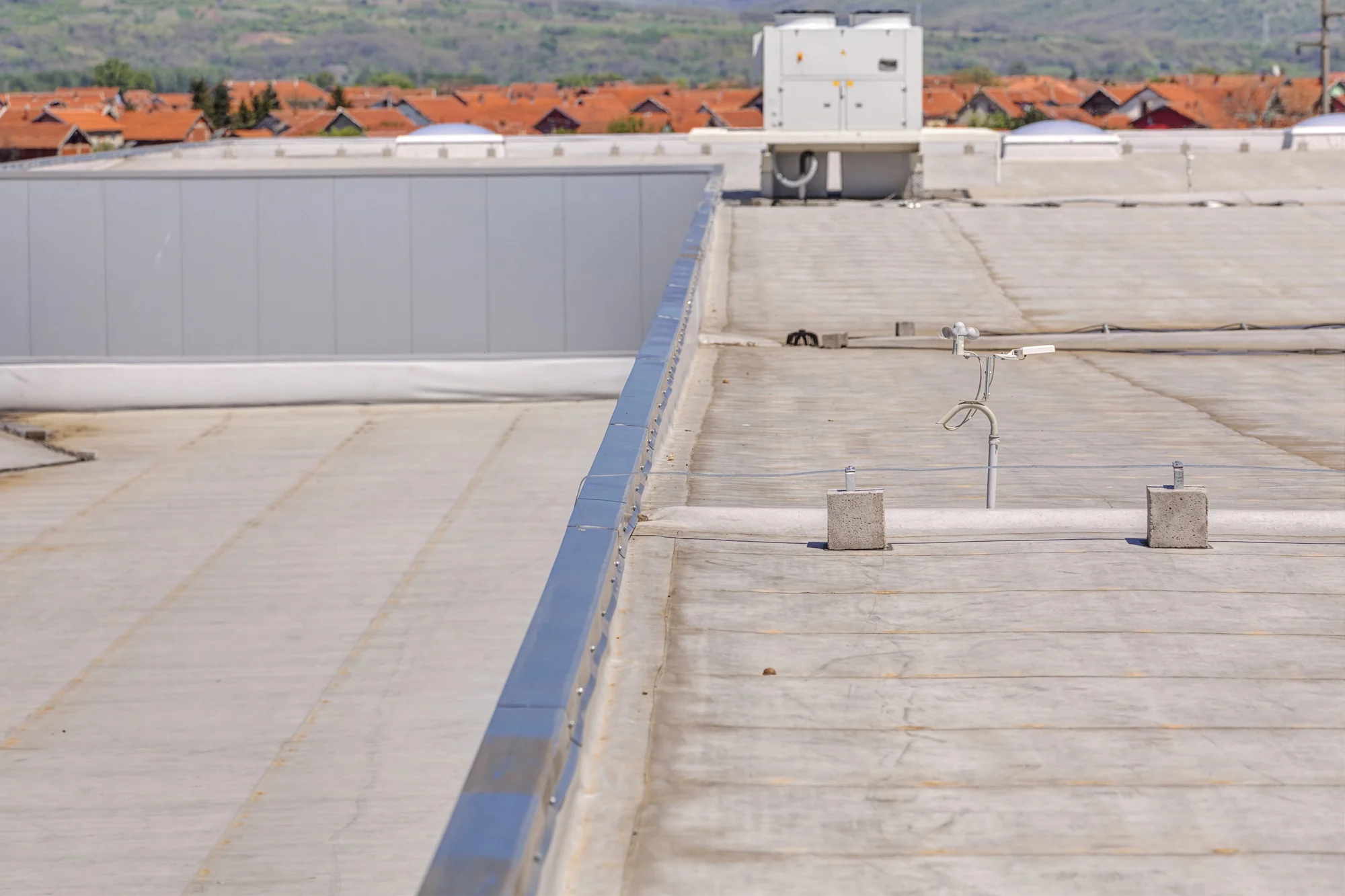 Occupied Building Re-Roofing
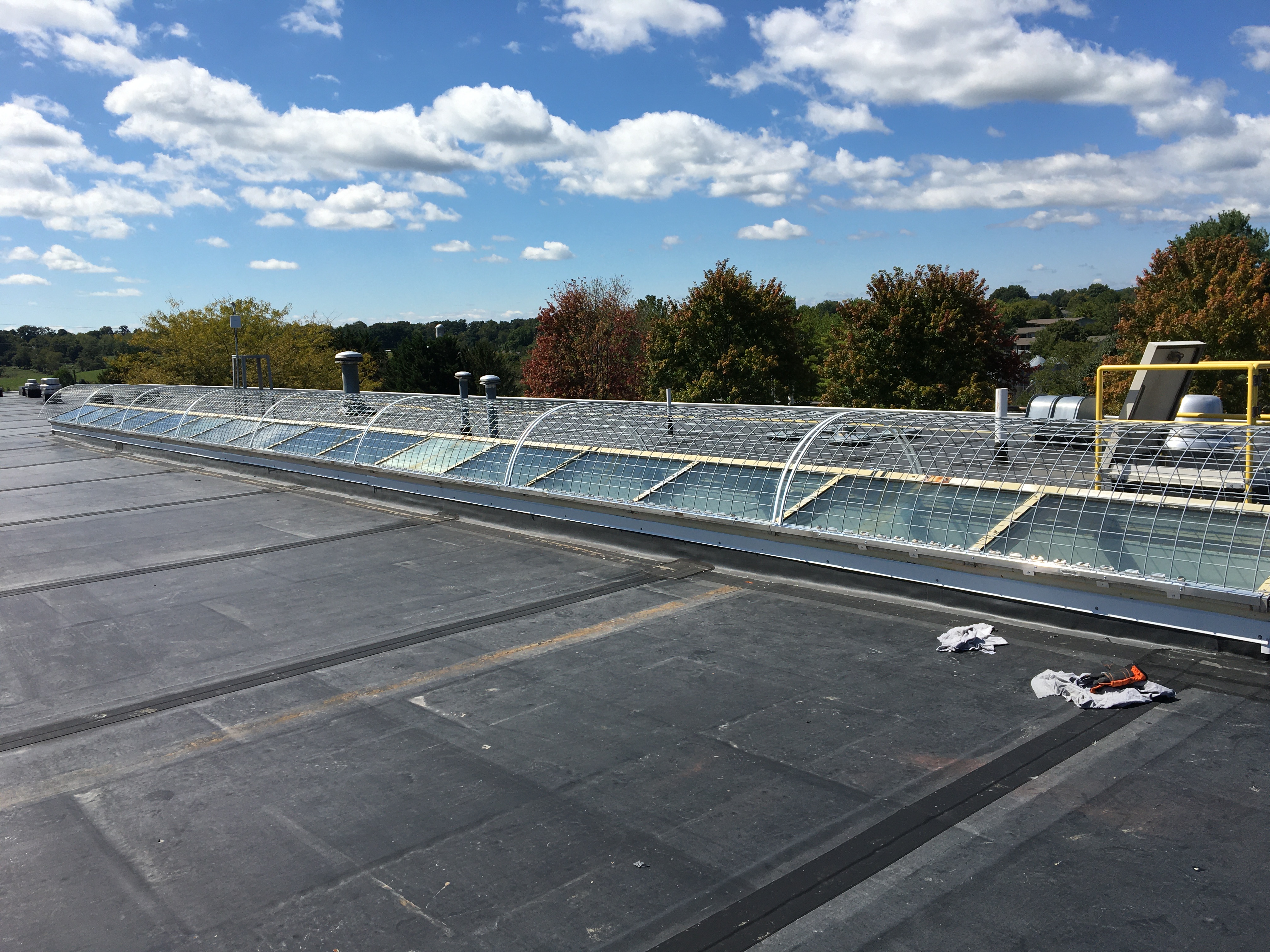 Roof Recover and Overlay