St. Petersburg occupies a narrow peninsula between Tampa Bay and the Gulf of Mexico, and this geography makes it one of the most weather-exposed government facility locations in the entire state of Florida. The City of St. Petersburg's municipal complex — including City Hall on First Avenue North, the St. Pete Police Department headquarters, and the expansive network of fire stations serving nearly 270,000 residents — sits at or near sea level with direct exposure to both bay and Gulf storm surge paths. Pinellas County's government facilities, including the county courthouse complex on First Avenue North, the Pinellas County Sheriff's Office facilities, and the extensive Pinellas County library cooperative system, share this acute vulnerability. No government roofing decision in St. Petersburg can be made without placing hurricane and flood risk at the center of the analysis.
Procurement of roofing services for St. Petersburg and Pinellas County government facilities follows Florida Statute Chapter 255 requirements and each agency's local purchasing ordinances. The City of St. Petersburg's Supply Chain Management Division posts solicitations on its procurement portal and in the Tampa Bay Times legal notices section. Pinellas County Purchasing and Risk Management uses its own vendor portal alongside the county's public notice system. Both entities conduct public bid openings in accordance with Florida's Government in the Sunshine Law, and award is made to the lowest responsive and responsible bidder unless best-value or alternative delivery methods are authorized by the solicitation. Contractor registration with both entities is a minimum prerequisite for receiving bid notifications on all government roofing work in the St. Petersburg market.
Florida Building Code wind uplift requirements for St. Petersburg government roofing are particularly demanding given the city's coastal exposure. Most of the city peninsula falls within Exposure Category D under ASCE 7, and essential facilities — fire stations, the emergency operations center, and police substations — are assigned the highest design wind speed categories applicable to non-HVHZ Florida. All roofing products used on permitted government projects must carry valid Florida Product Approval numbers demonstrating tested performance at the design wind speed for the specific building's exposure and occupancy classification. The Pinellas County building department is rigorous in reviewing product approvals at permit issuance, and systems that have not been tested to the applicable design wind speed are rejected before installation can begin.
The threat of hurricane-driven storm surge — made vivid by the near-misses of Hurricanes Helene and Ian — has pushed St. Petersburg to take a more strategic approach to government facility resilience. Several city fire stations and the Emergency Operations Center on 34th Street North were evaluated following recent storm events, and Pinellas County has incorporated elevated first-floor design into new facility construction. For roofing specifically, the lessons include robust parapet securement, enhanced membrane attachment over structural concrete rather than wood decks, and roofing systems on essential facilities that can withstand sustained winds and driving rain for extended periods. Contractors familiar with high-performance assembly detailing for essential facilities are positioned to differentiate themselves on St. Petersburg government roofing bids.
Salt air corrosion is a daily reality for Government and Municipal Building Roofing components in St. Petersburg. The city's peninsular location means that virtually every civic facility is within two miles of saltwater, and some — like the waterfront Police Marine Unit facility and the Mahaffey Theater complex — sit immediately adjacent to Tampa Bay. Flashings, coping caps, scupper assemblies, and mechanical equipment supports on these buildings must be specified in marine-grade materials: 316 stainless steel, coated aluminum, or heavy-gauge copper with appropriate isolating barriers against galvanic corrosion. Standard galvanized components fail visibly within three to five years in St. Petersburg's salt air environment, and their use on government facilities is a specification error that procurement evaluators and facilities managers have become adept at identifying and rejecting.
Energy performance is a priority for the City of St. Petersburg's government facilities, reflected in the city's commitment to its 100% clean energy by 2035 goal. Cool-roof products are standard specifications on replacement roofing for conditioned municipal buildings, and the city's Energy Manager reviews roofing specifications on significant projects to confirm compliance with Florida Energy Code reflectance and emittance requirements. Several Pinellas County buildings have also been evaluated for solar photovoltaic integration, and roofing specifications on these facilities may include provisions for ballasted or mechanically attached PV-ready membrane assemblies. Contractors who understand the interface between roofing systems and PV mounting hardware add measurable value to the technical conversation with government facilities staff.
Davis-Bacon Act prevailing wage requirements apply to federally funded roofing projects in St. Petersburg, and the city has received significant federal assistance — FEMA hazard mitigation grants, HUD CDBG allocations, and EPA water and infrastructure grants — that funds work on public facilities. The Tampa-St. Petersburg-Clearwater area federal wage determination sets minimum rates for roofers on these federally assisted projects. Pinellas County grant administrators conduct payroll audits and on-site labor compliance interviews, and contractors who have not maintained organized certified payroll documentation from day one of a federally funded project routinely encounter difficulty during close-out reviews. Establishing payroll compliance systems before mobilization — not during an audit — is essential for roofing contractors in this market.
Florida Statute 255.05 governs bonding on St. Petersburg and Pinellas County public construction contracts above the threshold, requiring performance and payment bonds recorded with the Pinellas County Clerk of Court. The recorded payment bond is the exclusive lien substitute for roofing subcontractors and material suppliers on public property where mechanics' liens are prohibited. Subcontractors should verify bond recording before starting work. For particularly complex or high-value government roofing projects — such as major re-roofing of the Duke Energy Center for the Arts or Pinellas County's Justice Center — surety companies may require detailed project risk assessments before committing to bond issuance on contracts with challenging schedule, access, and weather exposure conditions.
Long-term relationships with City of St. Petersburg Facilities Management and Pinellas County Capital Projects staff are the most reliable foundation for a sustained government roofing practice in this market. Both agencies maintain project history on contractor performance, and evaluators on future procurements reference documented past performance when assessing responsibility. Contractors who complete St. Petersburg government projects on time, maintain certified payroll discipline, and resolve any warranty call-backs promptly build institutional reputations that withstand competitive bidding cycles and generate sole-source emergency maintenance authorization when facilities experience sudden roof failures between formal bid cycles.
- Why are Florida Product Approval numbers especially important for St. Petersburg government roofing?
- Most of St. Petersburg falls within Exposure Category D under ASCE 7, placing government facilities in the highest non-HVHZ design wind speed categories, and essential facilities are designed to even more stringent standards. All products on permitted projects must demonstrate tested performance at these elevated design wind speeds through valid Florida Product Approval numbers. The Pinellas County building department reviews product approvals at permit issuance and rejects systems not tested to the applicable wind speed before installation begins.
- What marine-grade specifications are required for metal roofing components in St. Petersburg?
- St. Petersburg's peninsular salt air environment accelerates corrosion of standard galvanized components within three to five years, making marine-grade specifications mandatory for government facility roofing. Flashings, coping, scuppers, and equipment supports must be 316 stainless steel, coated aluminum, or heavy-gauge copper with galvanic isolation barriers where dissimilar metals contact. Standard galvanized hardware is a specification error that experienced procurement evaluators and facilities managers recognize and reject.
- How does the City of St. Petersburg's clean energy goal affect roofing specifications?
- St. Petersburg's 100% clean energy by 2035 commitment drives cool-roof specifications on municipal building replacements and informs PV-ready membrane requirements on facilities evaluated for solar integration. The city's Energy Manager reviews significant roofing specifications for Florida Energy Code compliance. Contractors familiar with PV mounting interface requirements and ballasted or mechanically attached PV-ready assemblies bring valued technical knowledge to conversations with city facilities staff.
- What Davis-Bacon compliance is required on federally funded St. Petersburg roofing projects?
- Federal funding sources used in St. Petersburg — FEMA mitigation grants, CDBG allocations, and EPA grants — trigger Davis-Bacon Act wage requirements using the Tampa-St. Petersburg-Clearwater area wage determination. Pinellas County grant administrators conduct payroll audits and on-site labor interviews throughout project execution. Certified payroll systems should be established before mobilization, as contractors who build documentation retroactively routinely encounter difficulty during grant close-out compliance reviews.
- How does the 255.05 bond process work for roofing subcontractors on St. Petersburg public projects?
- Florida Statute 255.05 requires performance and payment bonds recorded with the Pinellas County Clerk of Court on public contracts above the threshold. The payment bond is the sole remedy for subcontractors and suppliers since mechanics' liens are prohibited on public property. Roofing subcontractors should verify that the bond has been properly recorded with the clerk before commencing work, particularly on large general construction projects where roofing is a subcontracted scope managed by a CMAR or design-build prime.
 Commercial Roof Repair in St. Petersburg | Planned & Emergency
 Commercial Re-Roofing
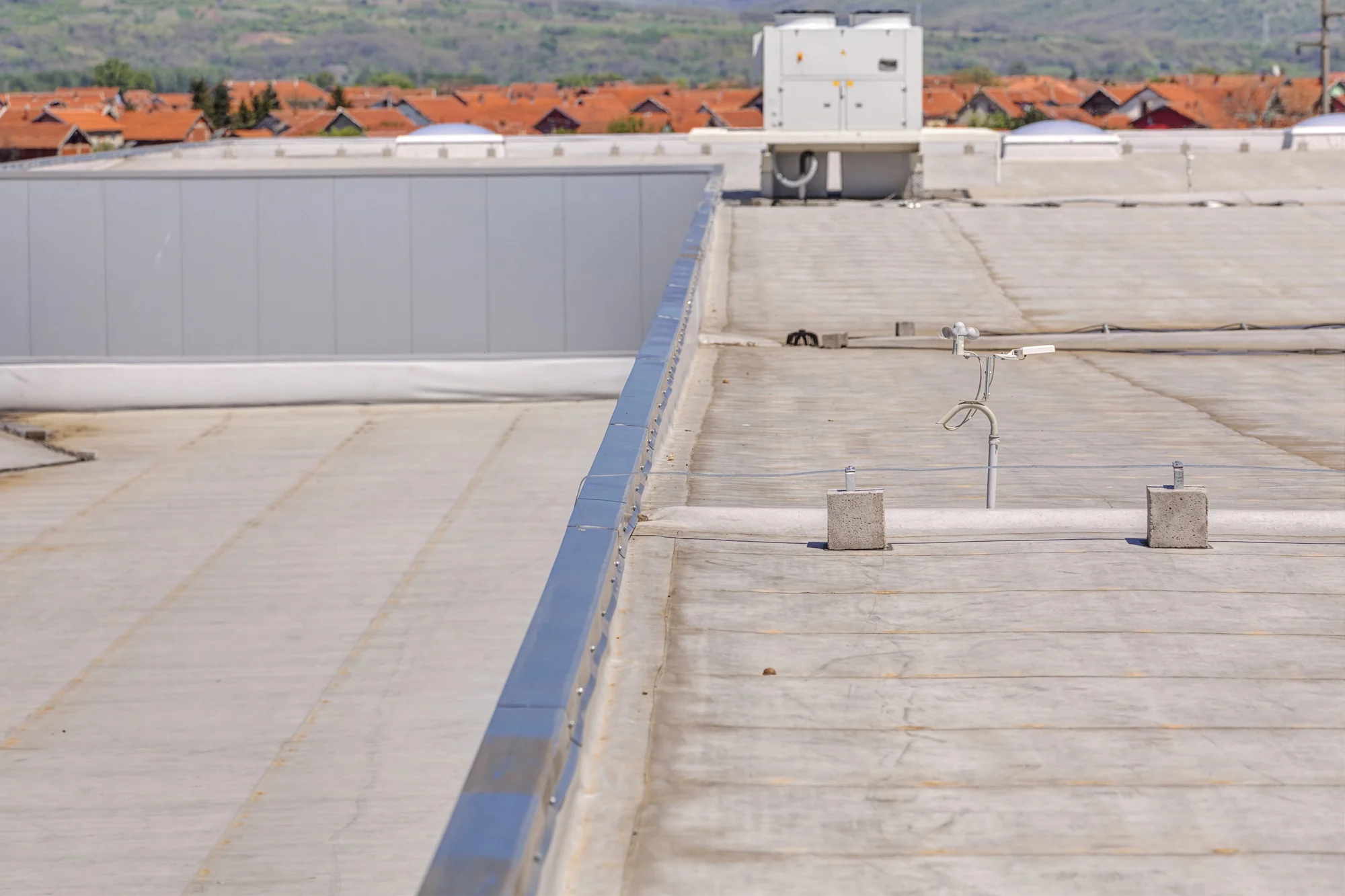 Occupied Building Re-Roofing
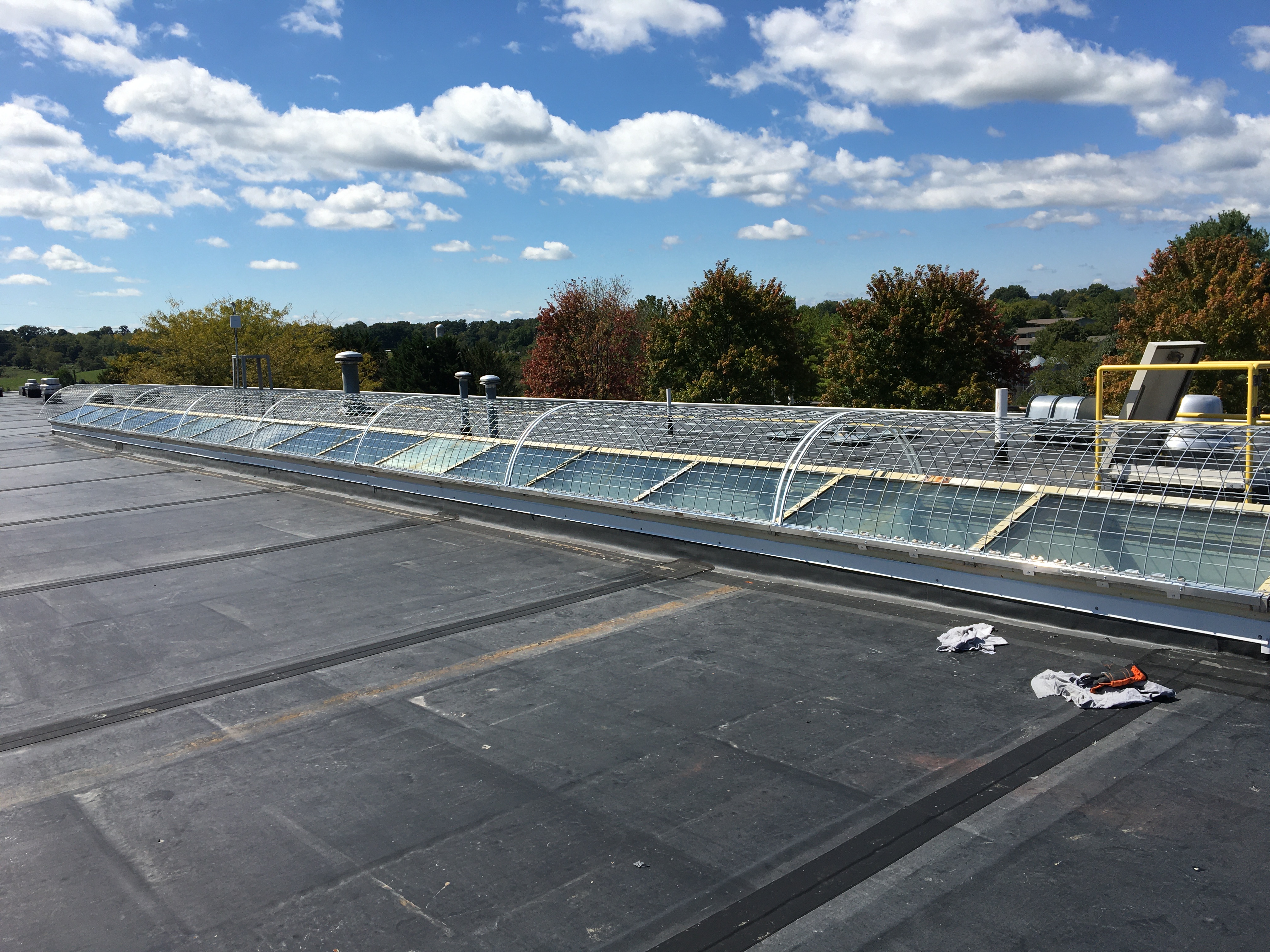 Roof Recover and Overlay