
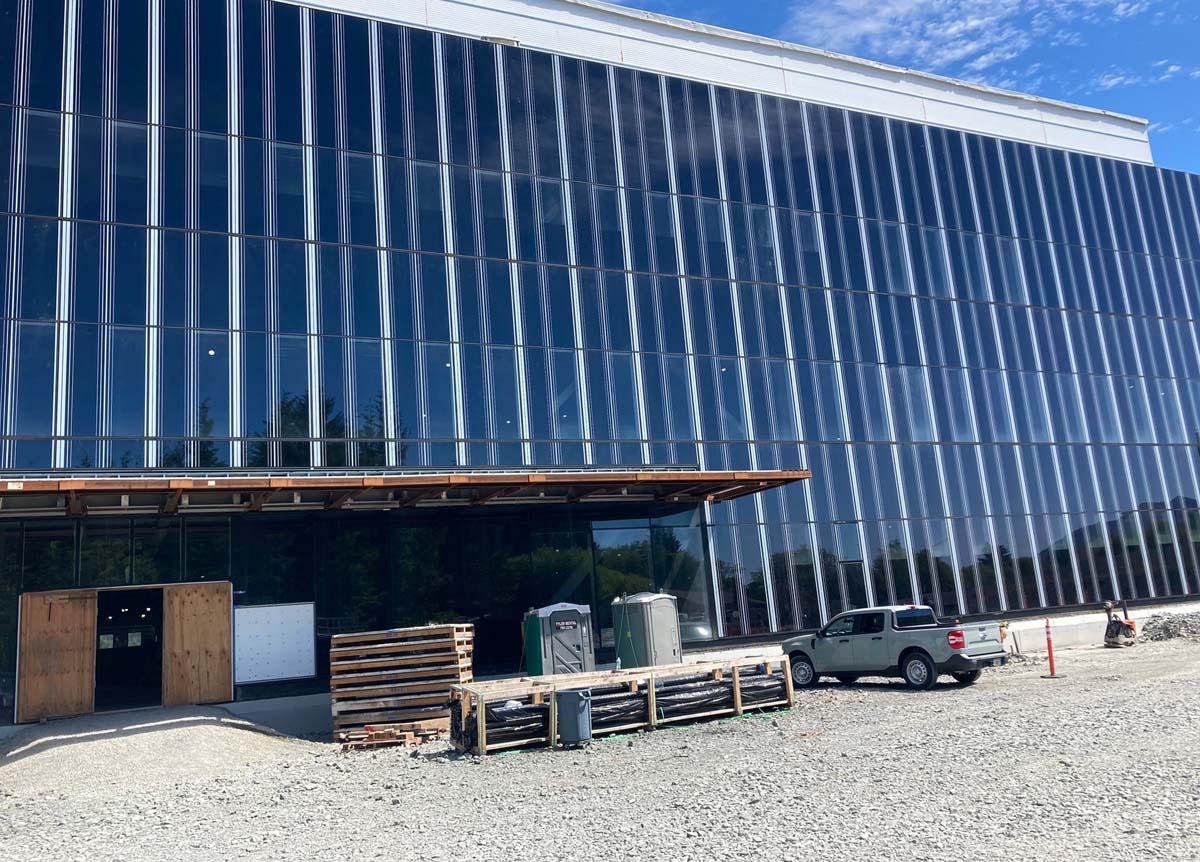
St. Petersburg's downtown waterfront renaissance has produced a wave of mixed-use buildings that stack boutique retail along Central Avenue beneath loft-style apartments and creative-office floors—a format that places unusually complex roofing demands on structures that must serve residents, tenants, and business owners all at once. Projects like the Nuvelo at Sundial and the mixed-use towers rising in the Edge District illustrate the layered accountability that comes with multi-stakeholder construction: a single compromised roof assembly doesn't just expose inventory below, it exposes residences, shared corridors, and liability chains that span multiple lease agreements. Contractors working in this market must plan for that complexity from the first specification meeting.
Florida's subtropical climate creates a punishing baseline for any roofing system, and St. Petersburg's peninsula geography compounds the exposure. The city averages roughly 361 days of measurable sunshine annually, but summer thunderstorms arrive with remarkable violence, and the combination of UV degradation and episodic high-wind rain events accelerates membrane fatigue far faster than inland markets see. Mixed-use buildings with tiered massing—common in the Grand Central District, where older commercial shells have been vertically extended—create multiple roof planes at different elevations, each requiring its own flashing strategy and drainage pathway. Water that pools at any transition between a retail canopy and an upper residential deck can migrate into structural assemblies before it ever triggers a visible interior leak.
Waterproofing at use transitions is the most consequential technical challenge on St. Petersburg mixed-use jobs. The boundary between a ground-floor restaurant kitchen and the residential corridor directly above it must accommodate grease exhaust penetrations, refrigeration lines, and domestic plumbing while maintaining a continuous air and vapor barrier. Contractors who treat these penetrations as afterthoughts—patching around them rather than integrating them into the primary membrane design—routinely face callbacks within two to three rainy seasons. The city's building department has tightened third-party inspection requirements for these assemblies in recent permit cycles, reflecting lessons learned from early mixed-use redevelopments along the waterfront corridor.
Green roofs and rooftop amenity decks have become central to the marketing of St. Petersburg luxury mixed-use projects, particularly in the Warehouse Arts District and along Beach Drive. Developers market sky-lounge spaces and planted terraces as neighborhood differentiators, and rooftop pools have appeared on several recent towers. Each of these features requires a waterproofing assembly rated for continuous occupancy loading, root-barrier membranes beneath planted zones, and drainage-mat systems that prevent saturation buildup during the summer wet season. The structural dead load of a full build-out amenity deck—pavers, planters, furniture anchorage—must be accounted for in the original deck engineering, a coordination requirement that demands the roofing contractor be at the table well before steel goes up.
Fire-rated roof assemblies take on additional importance in mixed-use buildings because the residential occupancies above ground-floor commercial uses are governed by building codes that require specific fire-resistance ratings at floor-ceiling assemblies that double as roofing surfaces for lower sections. In St. Petersburg's older mixed-use redevelopments, where historic masonry walls are preserved and new floor plates inserted, achieving those ratings without compromising the thermal and moisture performance of the assembly requires careful material selection. Contractors must coordinate with structural engineers and fire-protection consultants simultaneously, a process that adds schedule time but is non-negotiable for Certificate of Occupancy.
The St. Petersburg real estate market's trajectory—Zillow consistently ranks it among Florida's fastest-appreciating urban cores—means that mixed-use developers face strong pressure to deliver amenities quickly. That schedule pressure sometimes leads to premature membrane installation before mechanical equipment has been fully set and flashed. Rooftop HVAC units, exhaust fans for commercial kitchen hoods, and telecom equipment are frequently added or relocated during construction, and each penetration is a potential failure point if the flashing isn't integrated into the primary waterproofing system with proper counter-flashing and pitch pockets. Experienced contractors on St. Pete mixed-use jobs build contingency into their scope specifically for late-stage penetration additions.
Noise isolation between commercial and residential floors is partly a roofing-system function in buildings where mechanical equipment lives on the roof. Rooftop HVAC compressors, cooling towers, and exhaust fans generate vibration that transmits through the structural deck into the residential units below. Acoustic isolation pads under equipment bases are standard practice, but the roofing membrane system itself—its thickness, the density of insulation layers, and the method of attachment—also contributes to or mitigates that transmission. In the competitive St. Petersburg leasing market, residential tenants complain about mechanical noise quickly, and remediation after occupancy is far more expensive than designing for acoustic performance from the start.
Long-term maintenance planning for mixed-use roofs in St. Petersburg must account for the city's hurricane preparedness requirements. Buildings in flood zones A and V face additional scrutiny around roof-to-wall connections, and insurance carriers have become increasingly specific about membrane type and age when underwriting commercial-residential mixed-use properties. TPO and PVC membranes with documented wind-uplift ratings are preferred by most carriers; modified bitumen systems installed in earlier redevelopment cycles are increasingly triggering surcharges or coverage limits. Owners who can produce third-party inspection records and manufacturer warranty documentation consistently secure better renewal terms.
Selecting a commercial roofing contractor for a St. Petersburg mixed-use project requires vetting experience across all three core competencies: multi-level flashing, occupied-building protocols, and amenity-deck waterproofing. The city's pipeline of transit-oriented development along the SunRunner BRT corridor—projects targeting the Gateway area and the planned Midtown district—will produce a sustained volume of complex mixed-use work over the next decade. Contractors who have completed comparable projects in the downtown core, who maintain Florida licensed-contractor standing, and who can coordinate scheduling around residential occupancy hours will be positioned to deliver the quality and accountability that multi-stakeholder buildings demand.
- What makes roofing a mixed-use building different from a standard commercial project in St. Petersburg?
- Mixed-use buildings have multiple occupancy types stacked vertically, which means roof assemblies must meet residential fire-resistance ratings while also handling commercial mechanical loads and amenity-deck features simultaneously. The presence of multiple stakeholders—retail tenants, residential owners, and commercial lessees—means that a single roofing failure can trigger disputes across multiple lease agreements. Coordination between the roofing contractor, structural engineer, and fire-protection consultant is required from the early design phase.
- How does St. Petersburg's climate affect membrane selection for mixed-use roofs?
- Intense UV exposure, frequent high-wind summer storms, and the city's peninsula humidity accelerate membrane degradation faster than inland Florida markets. TPO and PVC single-ply membranes with documented wind-uplift ratings are preferred for their balance of UV resistance and flexibility. Modified bitumen systems installed more than a decade ago are increasingly flagged by insurance carriers, making proactive replacement a financial as well as a technical consideration.
- When should green roof and amenity deck waterproofing be specified in the design process?
- Waterproofing assemblies for occupied rooftop amenity decks must be integrated into the structural dead-load calculations before steel is fabricated, which means the roofing contractor should be engaged during schematic design. Root-barrier membranes, drainage-mat systems, and occupancy-rated waterproofing for planted zones all add thickness and weight that affect slab thickness. Late specification of these systems typically results in costly structural modifications or compromised waterproofing performance.
- What are the main causes of roofing failures at use-transition boundaries in mixed-use buildings?
- Penetrations for commercial kitchen exhausts, plumbing chases, and mechanical equipment are the most common failure points, especially when they are added or relocated after the primary membrane has been installed. Contractors who patch around late-stage penetrations rather than integrating them into the original waterproofing system see the highest rate of callbacks within the first few rainy seasons. Proper counter-flashing, pitch pockets, and continuous vapor-barrier detailing at every penetration are required to prevent moisture migration into the structural assembly.
- How can mixed-use building owners in St. Petersburg reduce roofing insurance costs?
- Insurance carriers place significant weight on membrane type, documented wind-uplift ratings, and third-party inspection records when underwriting mixed-use properties in Florida. Owners who maintain annual maintenance logs, can produce manufacturer warranty documentation, and have TPO or PVC membranes with current wind-uplift certifications consistently receive better renewal terms. Proactive replacement of aging modified bitumen systems before they trigger carrier surcharges is often cost-neutral over a five-year horizon when insurance savings are factored in.
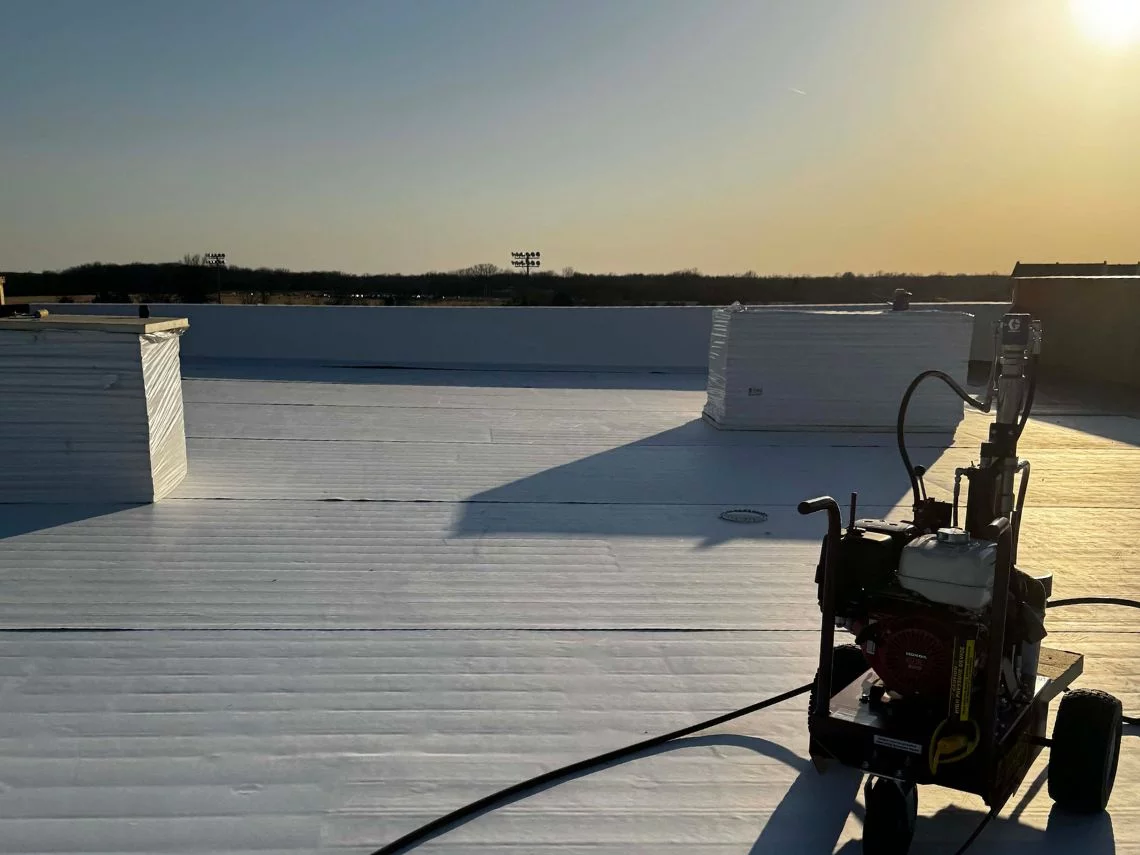 Commercial Roof Repair in St. Petersburg | Planned & Emergency
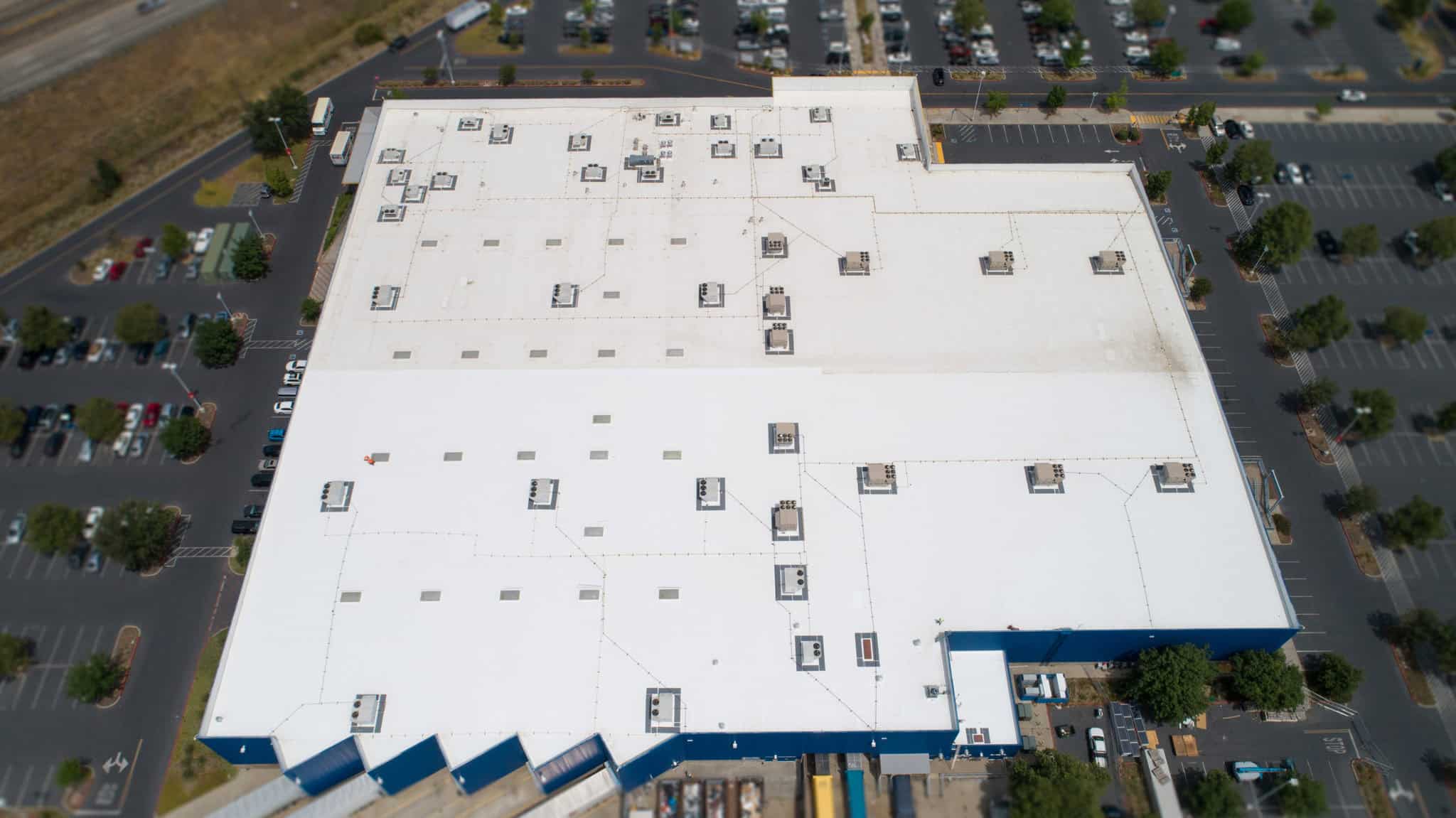 Commercial Re-Roofing
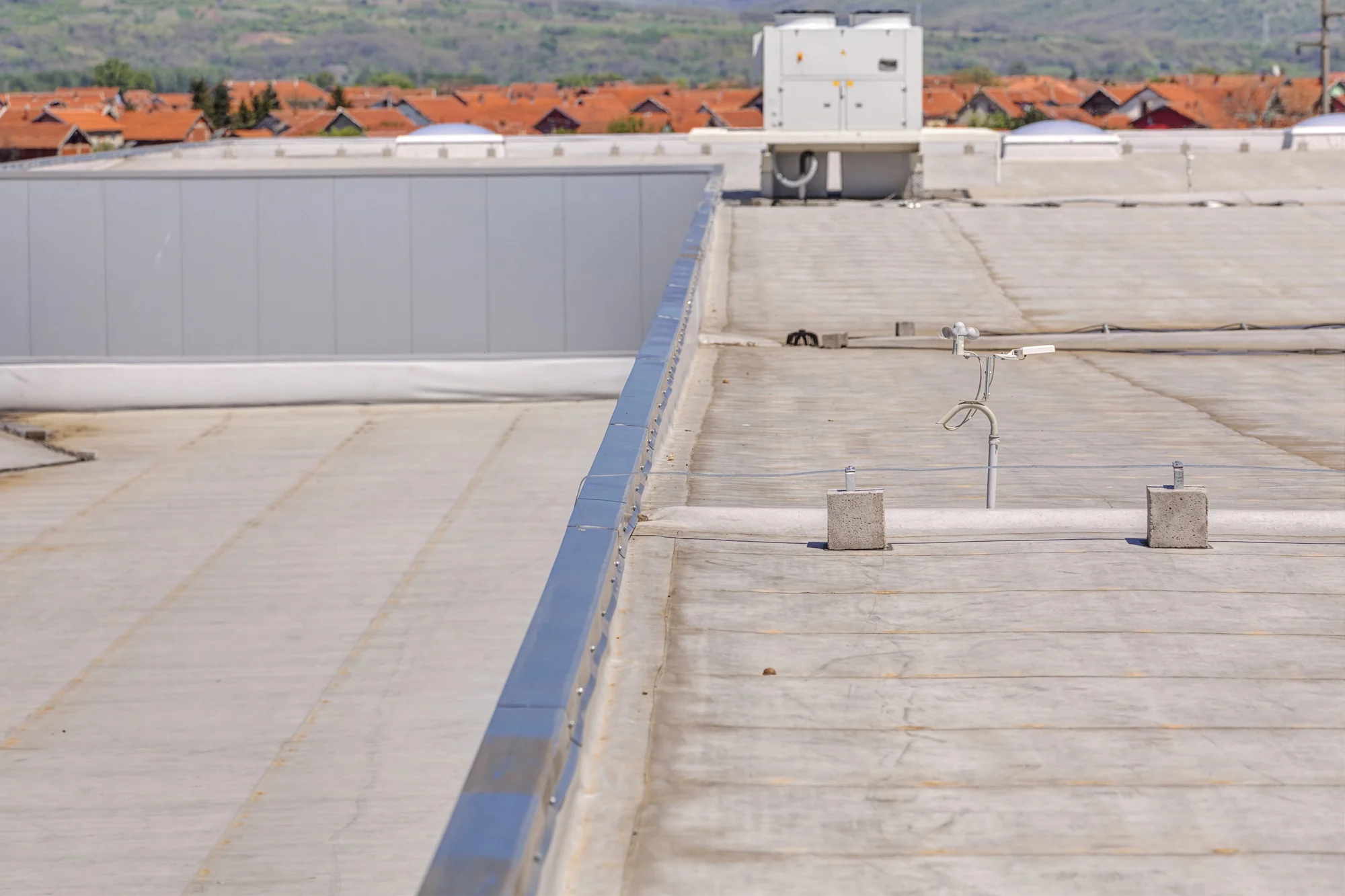 Occupied Building Re-Roofing
 Roof Recover and Overlay