Eckerd College—a nationally recognized liberal arts institution on the waterfront of Boca Ciega Bay in St. Petersburg—operates one of the most environmentally exposed university campuses on the Gulf Coast. The campus's direct bay frontage, with residential colleges overlooking the water, places every building under the combined stress of salt air corrosion, hurricane wind loading, and the intense UV exposure of southwest Florida's sun. Eckerd's commitment to environmental stewardship—it was one of the first colleges to adopt an environmental studies major—creates a client culture that values sustainable roofing materials, storm resilience, and long service life over lowest first cost.
Semester scheduling at Eckerd College follows a traditional fall-spring calendar with summer break from May through August. The summer window is the primary roofing construction period, but it coincides exactly with hurricane season in one of Florida's highest storm-risk coastal locations. We build project timelines that front-load open-roof phases in May and early June before storm season reaches peak activity, maintain named-storm protocols throughout summer construction, and plan project phases so that any weather-driven construction pause leaves the building fully weather-tight.
Historic buildings are less of a factor at Eckerd than at older established universities, but the campus's 1960s and 1970s modernist residential colleges have reached an age where original roofing assemblies are at end of life and replacement decisions must balance period-appropriate design with modern performance requirements. Several of the residential colleges feature distinctive shed roofs and clerestory window systems that define the campus's architectural character; replacement of failing skylights and clerestory glazing must maintain the original light-transmission character while meeting current hurricane-impact and thermal performance requirements.
Hurricane resilience is the dominant roofing engineering consideration at Eckerd, more than at any other Pinellas County educational institution due to the campus's direct bay exposure. We design all roofing assemblies to Pinellas County's High-Velocity Hurricane Zone requirements, specify Miami-Dade NOA-approved products throughout, and document assembly wind resistance calculations for every building in the project. Post-hurricane assessment and emergency response are part of our standing service agreement with the college, with 24-hour mobilization capability during and immediately after named storm events.
LEED standards align closely with Eckerd's environmental mission. The college pursues sustainability certification as an expression of its academic values, not just regulatory compliance, and expects roofing contractors to engage with the sustainability documentation process as genuine partners rather than reluctant documentation providers. We provide material health declarations, Environmental Product Declarations, and carbon footprint estimates for specified roofing materials when Eckerd's sustainability office requests them, going beyond the minimum LEED credit documentation to support the institution's broader transparency commitments.
Campus programs at Eckerd include one of the nation's oldest marine science programs, whose laboratory facilities on the bay shoreline experience more severe environmental exposure than even the residential buildings. Salt spray intrusion, direct wave splash during tropical systems, and the constant humidity of a bayfront location create a roofing environment where standard materials fail early and only marine-grade specifications achieve reasonable service lives. We apply marine-grade stainless steel throughout on the science complex buildings and specify TPO membrane with manufacturer-certified marine environment warranty provisions where available.
St. Petersburg's intense UV exposure—more annual sun hours than almost anywhere in the continental United States—accelerates membrane surface aging beyond the rates published in manufacturer lifetime estimates developed for temperate climates. We advise Eckerd's facilities team to apply conservative effective-life estimates when planning capital programs, treating fifteen years as a conservative practical service life for well-maintained TPO in southwest Florida sun rather than the twenty-year nominal warranty period. Proactive replacement planning at fifteen years prevents the emergency replacement costs that result from waiting until failure.
Eckerd's residential college model means that students are present on campus throughout the academic year in campus housing rather than commuting from off-campus. This continuous residential presence means that construction noise, roofing odors from adhesive application, and crew activities near residential buildings require management of student quality-of-life impacts throughout projects. We brief crew on residential college protocols, restrict adhesive application to wind conditions that prevent odor migration toward occupied buildings, and maintain communication with residential life staff throughout active construction phases near student housing.
The college's small administrative structure—typical of liberal arts institutions of Eckerd's size—means that the facilities director manages a broad portfolio with limited specialized roofing expertise. We provide written condition assessments after every service visit, digital maintenance records accessible to facilities staff and contractors, and proactive annual inspections timed to Eckerd's capital planning cycle, acting as a technical resource that extends the facilities team's capacity rather than simply executing project scopes.
- What hurricane resilience standard applies to Eckerd College's bayfront buildings?
- Pinellas County High-Velocity Hurricane Zone requirements with Miami-Dade NOA-approved products throughout are required; Eckerd's direct bay exposure creates wind conditions that exceed standard inland design pressures, making conservative specification and comprehensive documentation critical for insurance compliance.
- How are summer construction schedules managed during peak hurricane season at Eckerd?
- Open-roof phases are front-loaded to May and early June before storm season peaks; named-storm protocols are maintained throughout summer construction, and project phases are planned so weather-driven pauses leave buildings fully weather-tight rather than requiring emergency protection deployment.
- What materials are required for marine science buildings at Eckerd's bayfront?
- Marine-grade stainless steel throughout for drains, flashings, and hardware, combined with TPO membrane with manufacturer-certified marine environment warranty provisions, are required on bayfront science complex buildings; standard galvanized and painted steel components fail within a few years in direct salt-spray exposure.
- What service life should Eckerd's facilities team expect from TPO roofing in southwest Florida?
- Conservative capital planning should use fifteen years as a practical service life for well-maintained TPO in southwest Florida's UV environment rather than the nominal twenty-year warranty period; proactive replacement at fifteen years avoids emergency replacement costs that result from waiting until failure.
- How does Eckerd's residential college model affect construction management?
- Continuous student residential presence year-round requires construction noise management, adhesive application restrictions for odor migration near occupied buildings, and ongoing communication with residential life staff; crew briefing on residential college protocols is required before mobilization on every project.
 Commercial Roof Repair in St. Petersburg | Planned & Emergency
 Commercial Re-Roofing
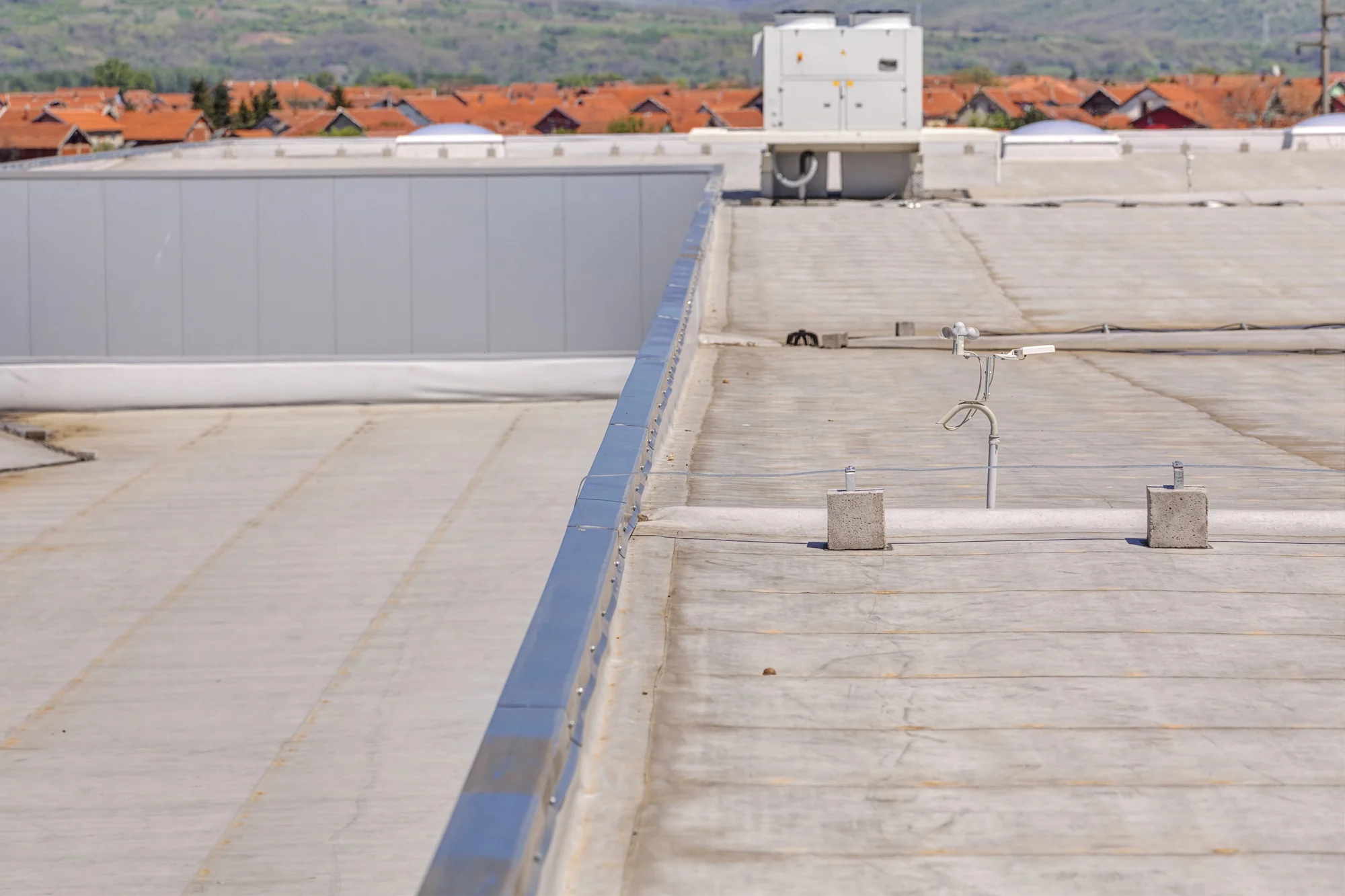 Occupied Building Re-Roofing
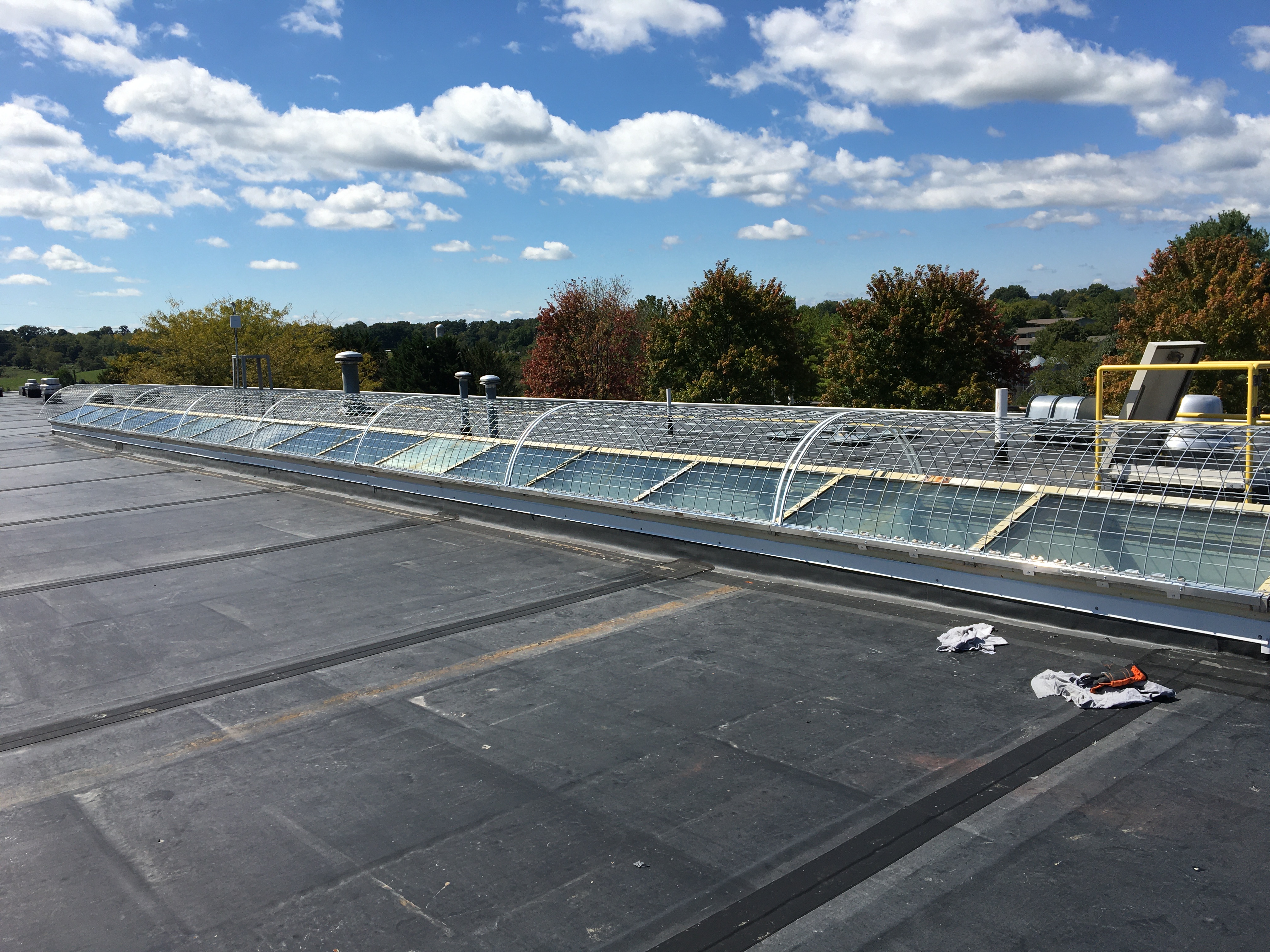 Roof Recover and Overlay